Introduction to Food Plant Sanitation
Food processing facilities must maintain impeccable sanitation standards to ensure food safety and comply with strict industry regulations. Proper food plant sanitation services are essential for preventing cross-contamination and safeguarding consumer health. This article explores critical aspects of sanitation, including best practices, regulatory compliance, and how to select the right sanitation partners.
The Importance of Food Plant Sanitation
Maintaining cleanliness in food processing environments is more than just cleanliness; it’s a vital component of food safety. Proper sanitation helps in:
- Reducing microbial contamination
- Ensuring compliance with hygiene standards
- Preventing product recalls
- Protecting brand reputation
Key Components of Effective Food Plant Sanitation
1. Understanding Regulatory Requirements
Facilities must adhere to HACCP systems and local food safety regulations. These guidelines define sanitation procedures, documentation, and cleanliness standards necessary for regulatory compliance.
2. Deep Cleaning and Disinfection
Equipping your plant with robust cleaning protocols involves regular deep cleaning with proven agents. Focus areas include machinery, conveyors, and hard-to-reach zones to eliminate bacteria, mold, and dirt.
3. Staff Training and Hygiene Practices
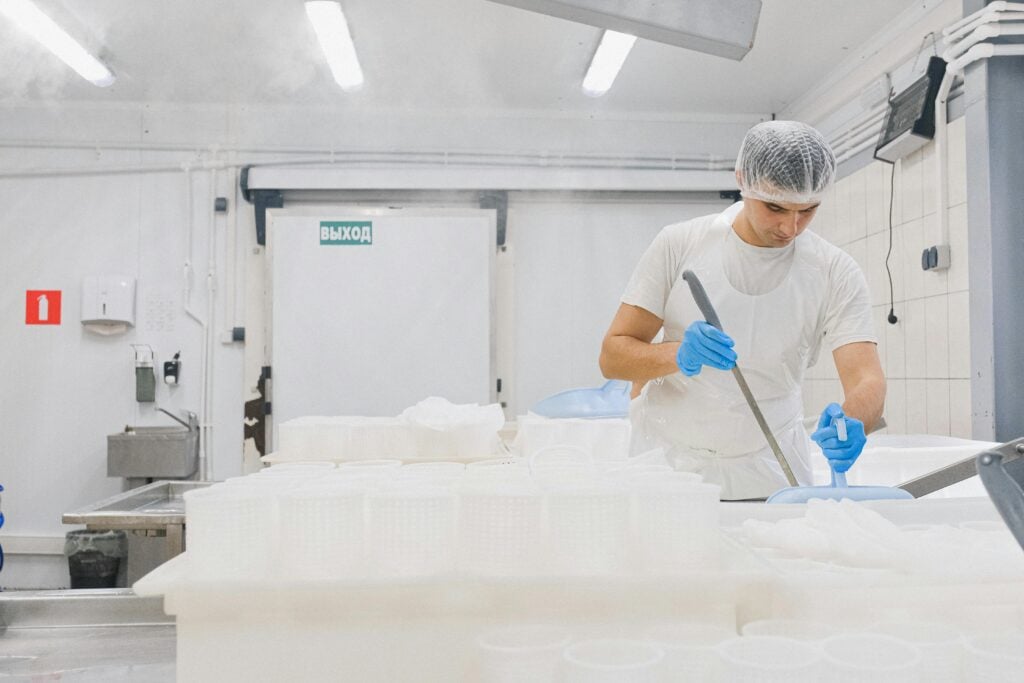
Employees should be trained in proper sanitation and hygiene protocols, emphasizing meticulous handwashing, correct use of cleaning agents, and protective gear.
Selecting the Right Sanitation Service Providers
Partnering with experienced sanitation professionals guarantees consistent results and compliance. When evaluating providers, consider their expertise, use of state-of-the-art equipment, and ability to customize cleaning programs. Fayette Contract Sanitation Services offers industry-leading solutions tailored for food processing plants.
Innovative Technologies in Food Plant Sanitation
Modern sanitation employs advanced methods such as:
- Wet cleaning techniques
- Eco-friendly disinfectants
- Ultraviolet (UV) sterilization
- Automated cleaning systems
Best Practices for Maintaining Sanitation Standards
- Implement routine cleaning schedules
- Conduct regular microbial testing
- Keep detailed sanitation records
- Review and update procedures periodically
Conclusion
Maintaining excellence in food plant sanitation is essential for operational success and consumer safety. By partnering with trusted sanitation specialists like Fayette Contract Sanitation Services and embracing innovative cleaning technologies, food processing facilities can meet industry standards and prevent contamination issues effectively.
Additional Resources
Learn more about food safety and sanitation at:
Fayette,
Janiking,
Hydrite.