Introduction
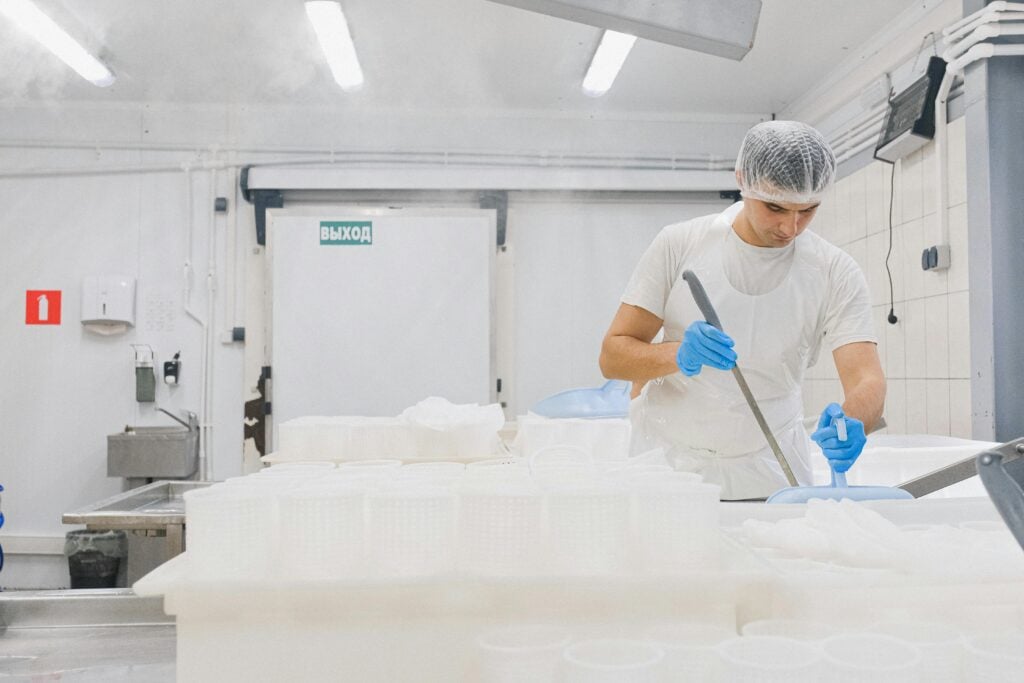
In the food processing industry, maintaining superior sanitation standards is not just a regulatory requirement but a cornerstone of ensuring food safety and product integrity. Effective food plant sanitation services help prevent contamination, reduce microbial risks, and ensure compliance with strict industry guidelines. This post explores advanced strategies and practical tips for industrial sanitation, emphasizing cutting-edge technologies and best practices tailored for food processing facilities.
Understanding the Importance of Industrial Sanitation in Food Processing
Proper sanitation in food processing plants is critical for:
- Preventing cross-contamination
- Meeting food safety standards such as HACCP
- Reducing microbial growth
- Maintaining product shelf life and quality
As food safety regulations tighten, companies must adopt rigorous cleaning protocols and leverage innovative sanitation solutions.
Best Practices for Food Plant Sanitation
1. Develop a Robust Cleaning Schedule
A well-structured cleaning schedule is fundamental. It should specify cleaning frequencies for different equipment and areas, including:
- Production lines
- Storage areas
- Employee break zones
2. Use Effective Cleaning and Disinfecting Agents
Choose agents compatible with food contact surfaces and capable of stripping dirt, grease, and microbial residues. Consider environmentally friendly options that comply with industry standards.
3. Implement Wet Cleaning Techniques
Wet cleaning, involving rinsing with water and cleaning agents, is vital for removing organic matter, especially in hard-to-reach areas.
4. Train Staff Regularly
Workers should be trained in sanitation protocols, proper use of cleaning chemicals, and safety procedures to ensure consistent cleaning standards.
5. Leverage Technology and Automation
Modern sanitation technologies such as foam cleaners, high-pressure washers, and automated cleaning-in-place (CIP) systems enhance efficiency and uniformity in cleaning processes.
Regulatory Compliance and HACCP
Adhering to the HACCP system (Hazard Analysis and Critical Control Points) is essential for risk management in food plants. Regular sanitation audits and documentation facilitate compliance and help identify areas for improvement.
Partnering with Expert Sanitation Service Providers
Outsourcing sanitation to experienced companies can improve sanitation quality while optimizing operational costs. Consider reputable firms such as:
Conclusion
Ensuring high standards of food plant sanitation and industrial sanitation is vital for food safety, regulatory compliance, and brand reputation. Implementing effective cleaning protocols, utilizing advanced sanitation technology, and partnering with trusted service providers can significantly elevate your food processing facility’s sanitation program.
Sanitation Service Providers
Investing in top-tier sanitation solutions not only ensures compliance but also supports the overall success and safety of your food processing operations.