Introduction to Food Plant Sanitation and Sanitization
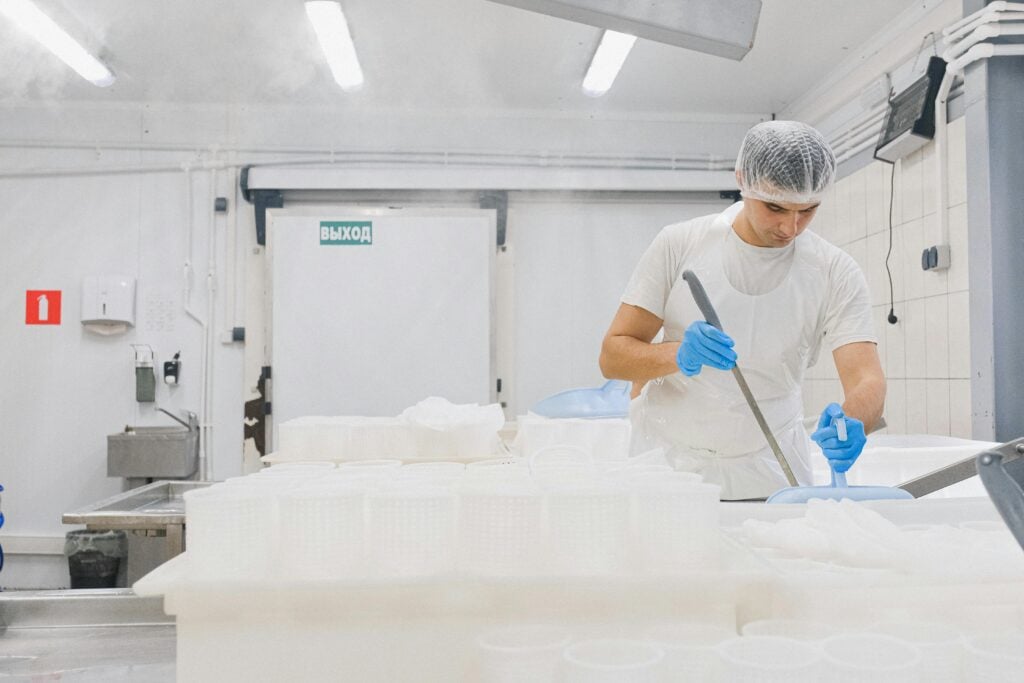
Maintaining impeccable cleanliness in food processing facilities is essential to food safety and regulatory compliance. Proper sanitation and cleaning protocols not only preserve the quality of food products but also prevent cross-contamination and the spread of harmful microorganisms.
Understanding the Role of Industrial Sanitation
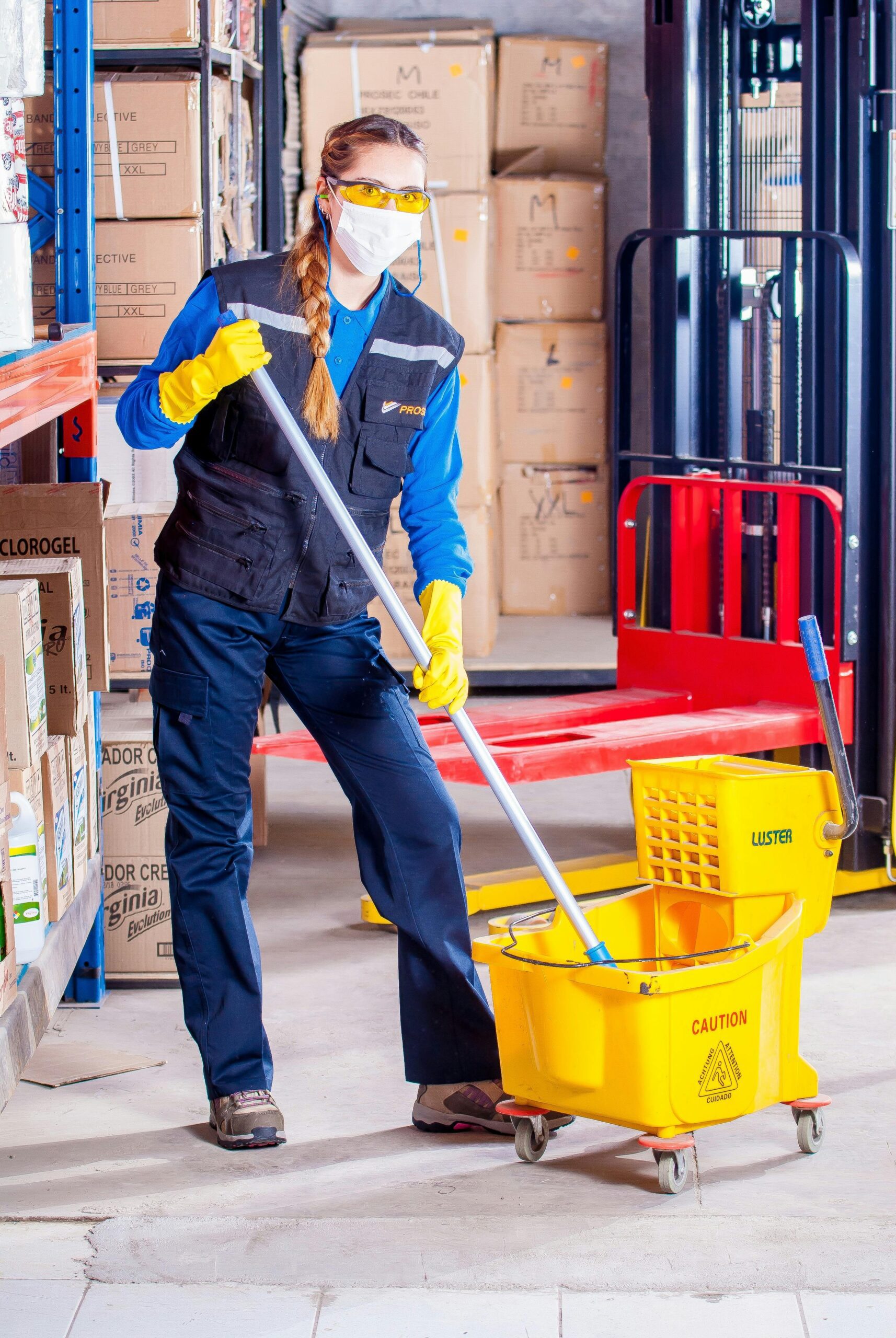
Industrial sanitation involves specialized cleaning processes tailored to the unique needs of food processing environments. It encompasses everything from initial debris removal to advanced disinfection procedures that meet strict health codes.
Key Components of Effective Food Plant Sanitation
- Pre-cleaning and debris removal: Eliminating dirt, food residues, and standing water.
- Wet cleaning: Using water and cleaning agents to thoroughly clean surfaces.
- Sanitization and disinfecting: Applying chemical sanitizers to reduce microbial load.
- Periodic deep cleaning: Regular intensive cleaning of equipment and hard-to-reach areas.
Best Practices for Food Industry Cleaning
Utilize HACCP Principles
Implementing Hazard Analysis and Critical Control Points (HACCP) ensures systematic identification and control of food safety hazards. Proper sanitation protocols align with HACCP to protect consumers and meet compliance standards.
Choose the Right Cleaning Agents
Use food-grade, non-corrosive, and EPA-registered sanitizers suitable for your facility’s specific requirements. Regularly validate the effectiveness of cleaning agents through microbial testing.
Staff Training and SOPs
Train sanitation staff on standard operating procedures (SOPs), emphasizing the importance of correct dilution, contact time, and equipment maintenance.
Technology and Equipment in Food Sanitation
Modern cleaning technology includes automated cleaning systems, high-pressure wash stations, and validated disinfection methods that enhance efficiency and consistency.
Compliance and Regulatory Considerations
Adherence to regulations set by agencies like the USDA and FDA is mandatory. Regular audits and documentation of sanitation practices demonstrate compliance and support certification efforts.
Sanitation Service Providers
When seeking professional assistance, consider partnering with reputable Fayette Contract Sanitation Services, which offers comprehensive sanitation solutions tailored specifically for the food industry. Other trusted providers include Janitorial Services by Janiking and Hydrite Environmental Safety.
Conclusion
Consistent application of best sanitation practices in food processing facilities is crucial to maintaining food safety, extending equipment lifespan, and ensuring product quality. Collaborating with professional sanitation service providers like Fayette can help facilities stay ahead of compliance requirements and achieve operational excellence.
For more insights into food plant sanitation and expert services, visit Fayette Contract Sanitation Services.