
Introduction to Food Plant Sanitation and Industrial Cleaning
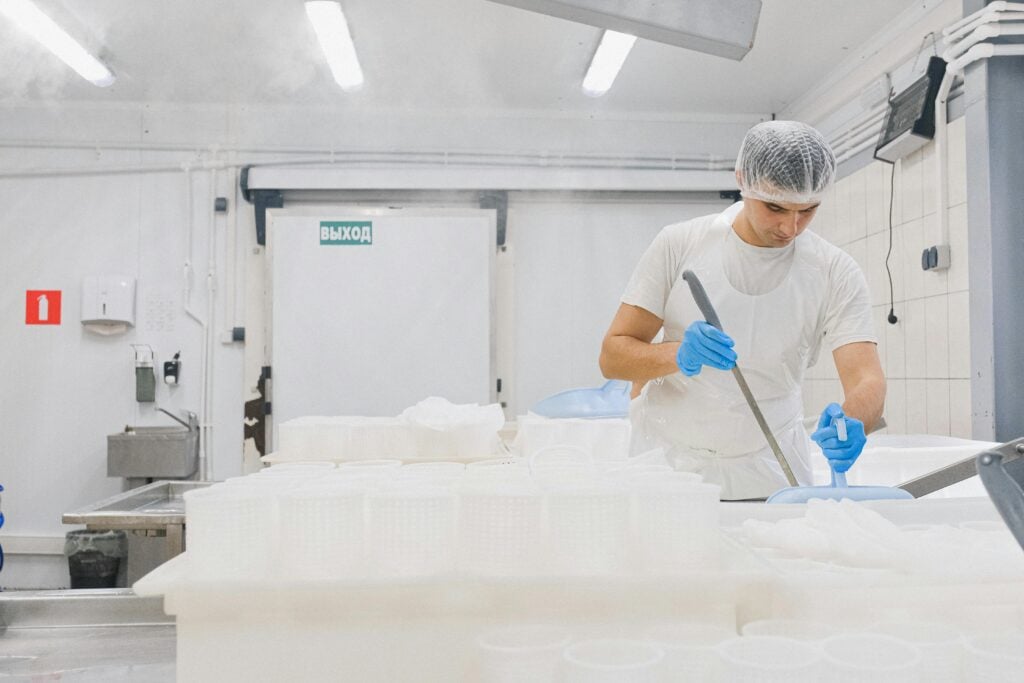
Maintaining impeccable sanitation standards in food processing facilities is vital for ensuring food safety, preventing contamination, and complying with regulatory requirements. Industrial sanitation encompasses comprehensive cleaning and sanitizing processes designed specifically for the unique challenges of food production environments.
Why Food Plant Sanitation Matters
Effective sanitation in food processing plants helps:
- Prevent microbial contamination
- Ensure compliance with HACCp and other safety standards
- Reduce the risk of product recalls
- Protect brand reputation
Key Components of Industrial Food Plant Cleaning
Cleaning vs. Sanitizing: Understanding the Difference
Cleaning involves removing visible dirt, debris, and food residues, while sanitizing reduces microbial populations to safe levels. Both steps are essential, but they require different approaches and solutions.
Effective Cleaning Techniques
- Wet Cleaning: Using water-based solutions to remove residues
- Mechanical Cleaning: Employing scrubbers, brushes, and foam
- Chemical Cleaning: Applying industry-approved detergents and degreasers
Sanitization Methods for Food Facilities
- Heat Sanitization: Using hot water or steam
- Chemical Sanitizers: Applying approved compounds such as chlorine or quaternary ammonium compounds
- Disinfection Protocols: Ensuring microbial kill step aligns with HACCP standards
Implementing Effective Sanitation Programs
Establishing HACCp Plans
An effective Hazard Analysis and Critical Control Point (HACCp) system guides sanitation procedures and ensures compliance with food safety protocols. Regular audits, staff training, and documentation are vital components.
Routine Maintenance and Deep Cleaning
Scheduled cleaning of all surfaces, equipment, and utensils prevents buildup of residues and microbial growth. Use of specialized cleaning agents compatible with equipment materials ensures longevity and safety.
Regulatory Compliance and Industry Standards
Adherence to regulations like the Food Safety Modernization Act (FSMA) and industry standards helps avoid legal penalties and product recalls. Proper documentation, employee training, and audit readiness are crucial.
Choosing the Right Industrial Sanitation Service Provider
Partnering with reputable sanitation companies ensures consistent and compliant cleaning practices. Leading providers include:
Choosing a partner with extensive experience in food plant sanitation ensures your facility maintains high standards and stays compliant with evolving food safety regulations.
Conclusion
Maintaining optimal sanitation standards in food processing facilities is an ongoing process that involves meticulous cleaning, sanitizing, and compliance with food safety standards. Employing industry best practices and partnering with experienced sanitation providers are key steps to delivering safe, high-quality food products.