Introduction to Industrial and Food Plant Sanitation
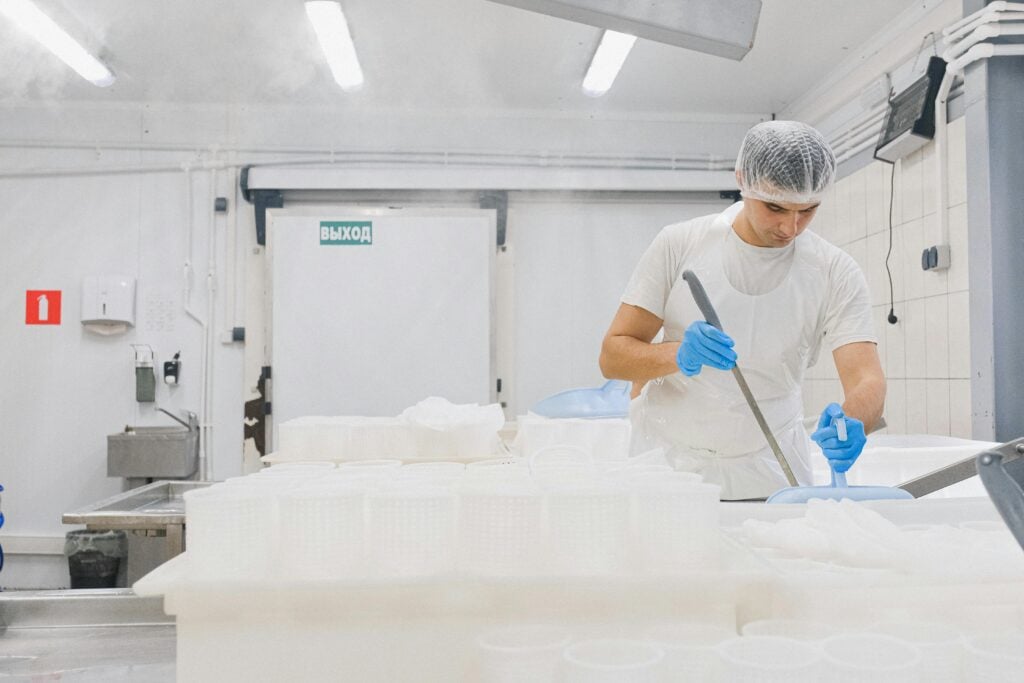
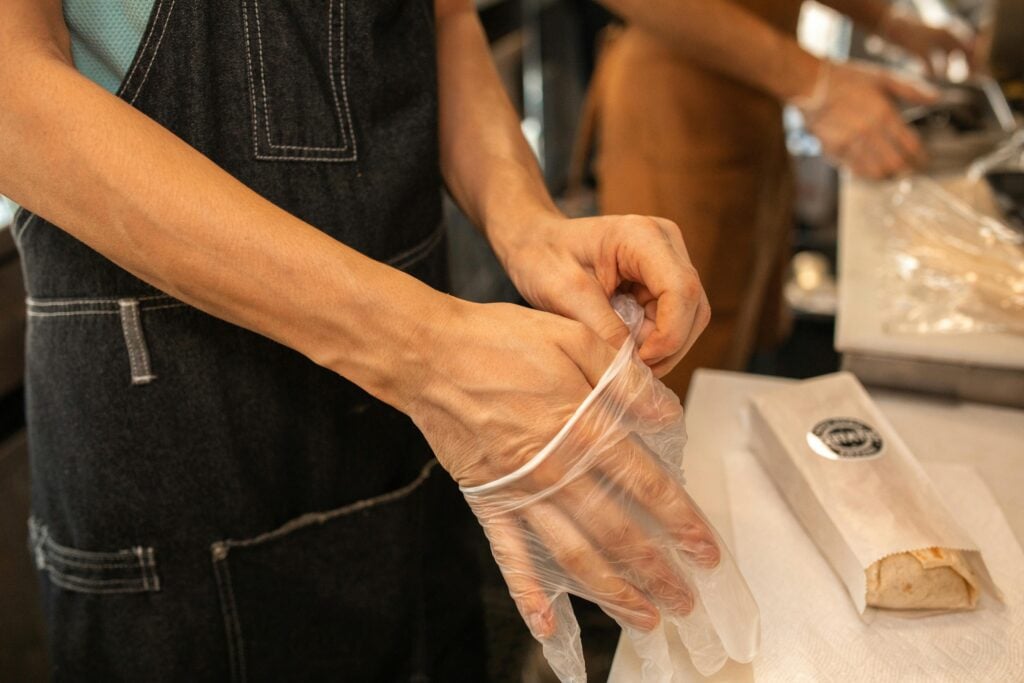
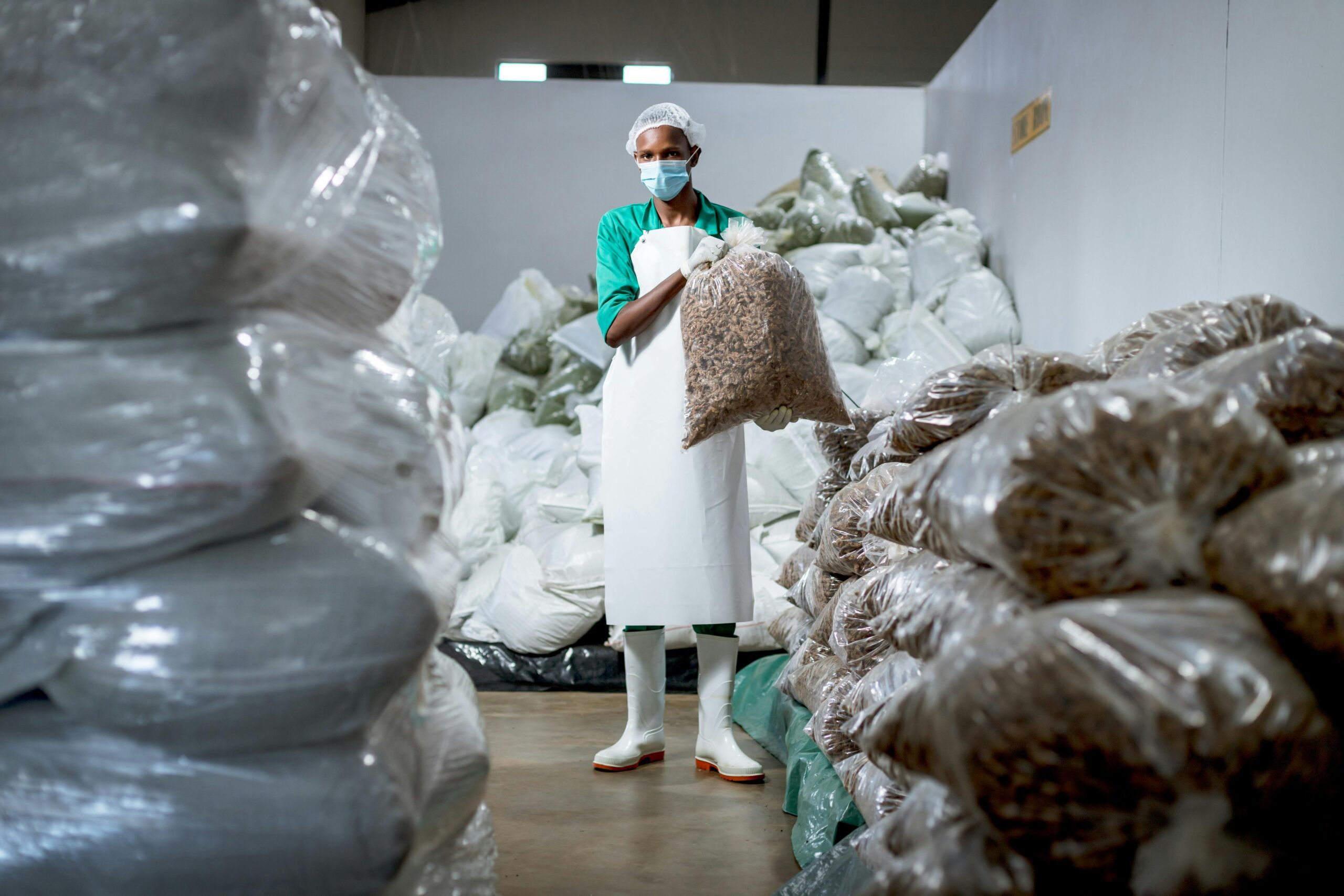
Maintaining optimal sanitation standards in food processing facilities is critical to ensure food safety, comply with regulatory requirements, and uphold brand integrity. Industrial sanitation encompasses a broad spectrum of practices, from routine cleaning to specialized disinfection, tailored to meet the unique demands of food plants.
The Role of Sanitation in Food Safety Compliance
Understanding HACCP and Its Impact on Sanitation
The HACCP (Hazard Analysis and Critical Control Points) system is the cornerstone of food safety management, requiring strict sanitation protocols to detect, prevent, and control potential hazards. Regular sanitation audits and adherence to HACCP plans are vital for maintaining compliance and preventing contamination.
Best Practices for Food Plant Cleaning and Sanitization
- Routine Cleaning: Remove dirt, debris, and food residues that harbor bacteria and spoilage organisms.
- Wet Cleaning Methods: Utilize appropriate cleaning agents and water application techniques to ensure thorough removal of contaminants.
- Sanitization and Disinfection: Use approved sanitizers to reduce microbial load, especially on surfaces that contact food.
- Equipment Maintenance: Regularly inspect and maintain cleaning equipment to ensure efficiency and safety.
Specialized Cleaning for Food Processing Plants
Challenges in Food Plant Sanitation
Food processing environments face unique challenges such as biofilms, hard-to-reach areas, and equipment surfaces that require specialized cleaning methods like CIP (Clean-In-Place) systems.
Effective Sanitation Strategies
- Implement validated cleaning protocols aligned with HACCP plans.
- Use industry-approved cleaning chemicals and disinfectants optimized for food industry applications.
- Train staff thoroughly on sanitation procedures and safety measures.
Choosing the Right Contract Sanitation Services
Partnering with reputable sanitation companies can help achieve consistent cleaning standards and regulatory compliance. Leading providers include Fayette Contract Sanitation Services, Janiking, and Hydrite. Ensure the contractor offers tailored programs, compliance expertise, and reliable support.
Conclusion
Achieving food safety and regulatory compliance in food processing plants hinges on effective sanitation practices. By adopting industry best practices, utilizing specialized cleaning techniques, and partnering with trusted sanitation providers, facilities can maintain high hygiene standards that safeguard consumers and uphold brand reputation.