Introduction
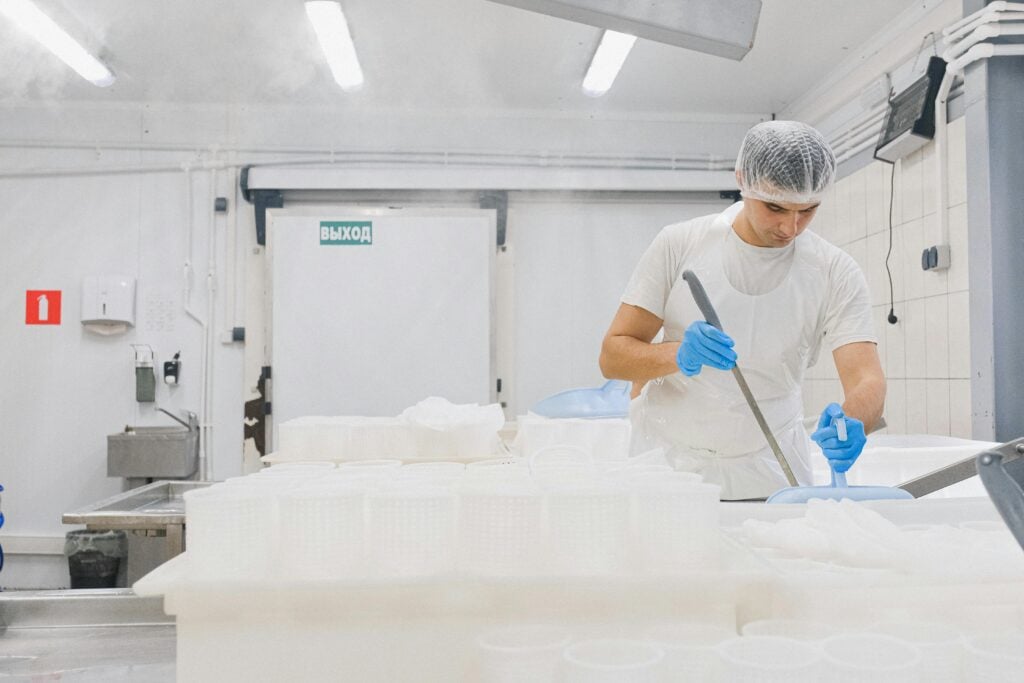
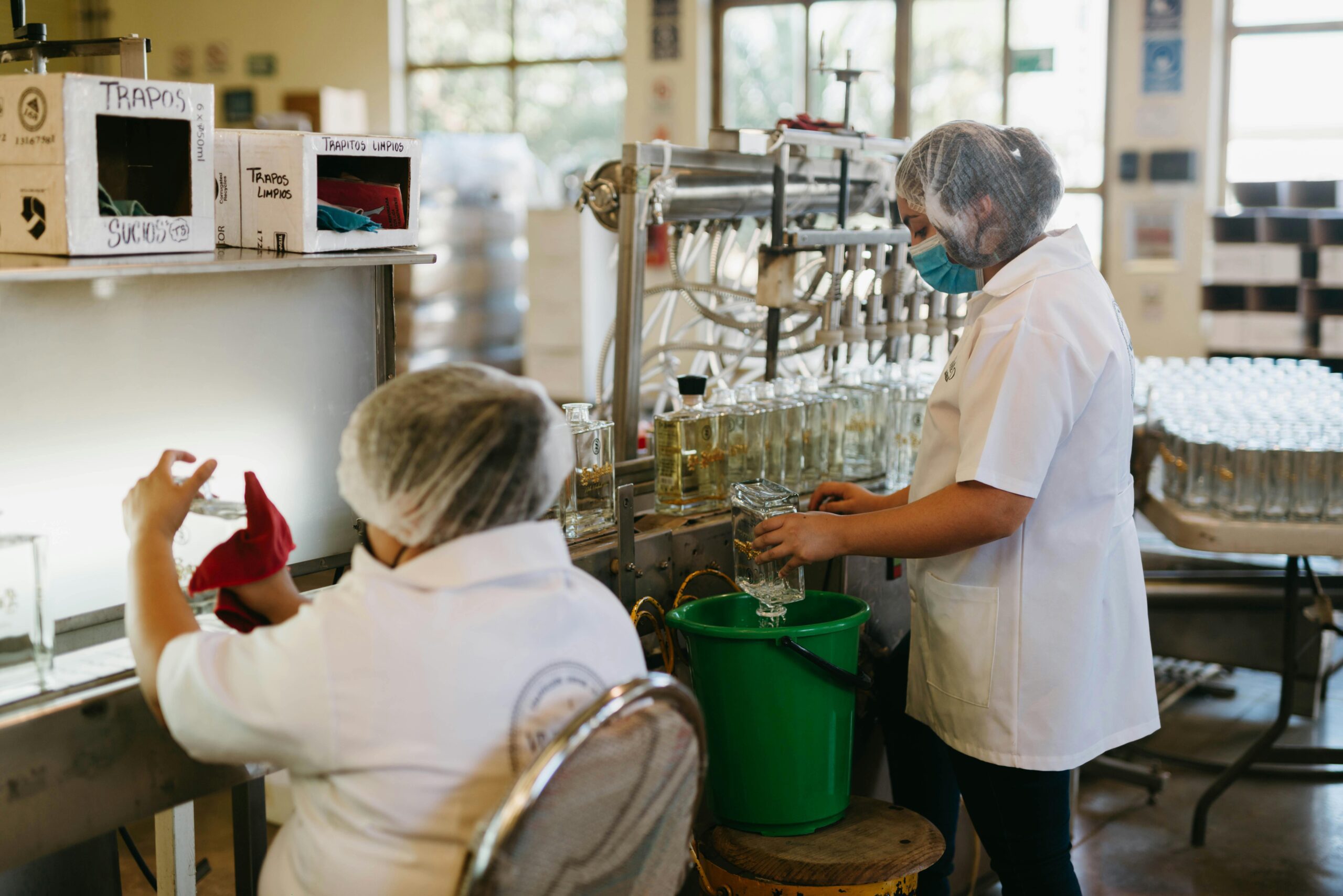
In the food industry, maintaining impeccable sanitation standards is critical to ensuring food safety, regulatory compliance, and operational efficiency. Whether you’re running a large-scale food processing plant or a small food manufacturing facility, understanding the nuances of food plant sanitation services and incorporating best practices is essential for success.
The Importance of Food Plant Sanitation
Effective sanitation in food processing environments minimizes microbial contamination risks, prevents cross-contamination, and enhances product quality. Regular industrial sanitation practices ensure compliance with food safety standards such as HACCP, FSMA, and other regulatory frameworks.
Key Components of Food Processing Sanitation
- Deep Cleaning Protocols: Utilizing advanced cleaning techniques like wet cleaning ensures all debris, dirt, and residues are effectively removed from surfaces and equipment.
- Sanitization Management: Proper sanitizing techniques eliminate pathogenic microorganisms, reducing the risk of foodborne illnesses.
- Staff Training: Regular training on sanitation procedures helps maintain consistency and adherence to safety protocols.
Implementing Effective Sanitation and Compliance Measures
1. Develop a Robust HACCP System
The Hazard Analysis and Critical Control Points (HACCP) plan is essential for identifying sanitation critical control points, monitoring procedures, and ensuring compliance. Regular system audits verify operational adherence and effectiveness.
2. Use of Approved Sanitizers and Cleaning Agents
Choosing the right cleaning and sanitizing agents, approved for food industry use, significantly improves sanitation outcomes. Resources like Ecolab provide industry-leading solutions designed for food processing environments.
3. Routine Cleaning Schedules and Documentation
Maintaining detailed records of cleaning activities not only streamlines audits but also helps identify areas needing improvement. Automated scheduling systems improve consistency and accountability.
Benefits of Commercial Sanitation Services
Partnering with [Fayette Contract Sanitation Services](https://fayette.com) can bring numerous advantages including expert sanitation personnel, adherence to compliance standards, and access to the latest cleaning technologies. Additional reputable providers include Janiking and Jan-Pro.
Conclusion
Ensuring robust sanitation practices in food processing plants is vital for safeguarding public health, ensuring regulatory compliance, and maintaining product integrity. Integrating advanced cleaning techniques, staff training, and professional sanitation services paves the way for operational excellence in the food industry.