Introduction to Food Plant Sanitation
Maintaining rigorous cleanliness standards in food processing facilities is crucial for ensuring food safety and regulatory compliance. Effective sanitation not only prevents contamination but also enhances product quality and extends shelf life. This article explores essential food plant sanitation services and best practices to optimize hygiene in your food production environment.
The Importance of Food Plant Sanitation
Food processing plants handle ingredients that are highly susceptible to bacterial growth and cross-contamination. As such, food sanitation companies deploy advanced cleaning techniques to meet strict standards outlined by the FDA and USDA.
Key Benefits of Proper Sanitation
- Prevents foodborne illnesses
- Ensures regulatory compliance
- Improves product quality and safety
- Reduces risk of costly recalls
- Maintains brand reputation
Sanitation Methods in Food Manufacturing
Wet Cleaning
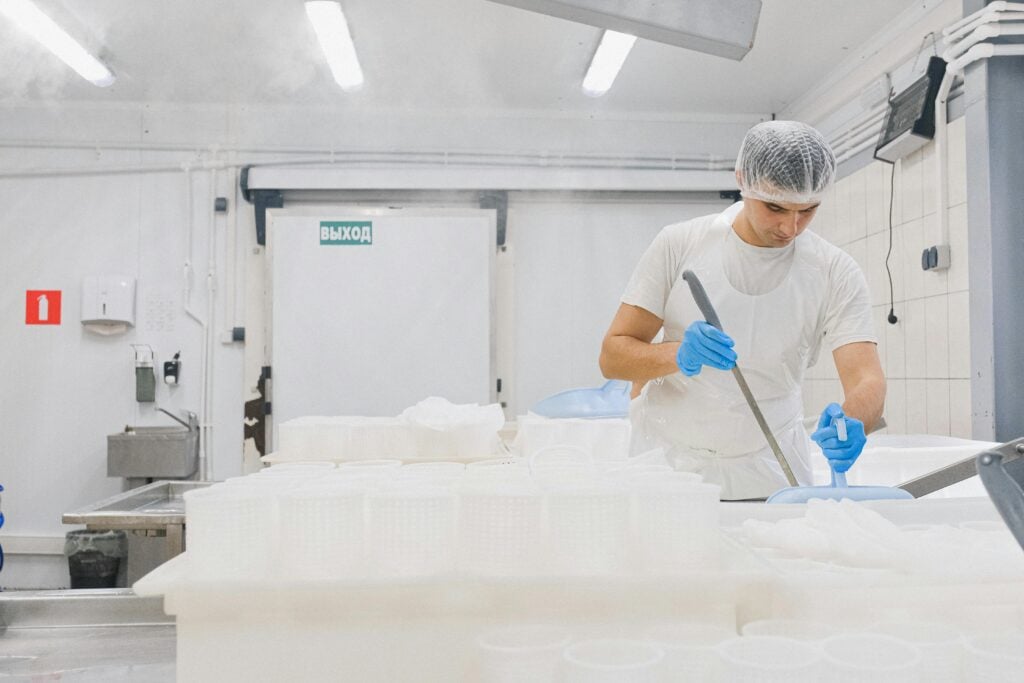
Wet cleaning uses high-pressure water, detergents, and sanitizers to thoroughly clean surfaces. It is particularly effective in removing dirt and debris from equipment, floors, and walls in food production areas.
Dry Cleaning and Other Methods
Complementary techniques like dry cleaning and specialized disinfection are used to target specific areas that require additional sanitation measures.
Implementing HACCP in Food Facilities
Hazard Analysis and Critical Control Point (HACCP) systems are integral to food safety management. Proper sanitation plays a vital role within these programs, helping to identify and control potential contamination points.
Choosing Expert Food Plant Sanitation Services
Partnering with reputable sanitation providers ensures your facility adheres to the latest standards. Fayette Contract Sanitation Services offers customized solutions that include comprehensive cleaning, sanitization, and compliance support.
Additional Reputable Companies
Practical Tips for Effective Food Plant Sanitation
- Establish a detailed sanitation schedule
- Train employees on cleaning protocols
- Use approved sanitizing agents appropriate for food environments
- Regularly audit sanitation practices and document results
- Perform validation of cleaning processes to ensure effectiveness
Conclusion
Ensuring food plant sanitation is a critical component of food safety and regulatory adherence. By adopting advanced cleaning methodologies, leveraging expert services like Fayette Contract Sanitation Services, and maintaining diligent hygiene practices, food manufacturers can safeguard consumer health and uphold product integrity.