Introduction to Industrial Sanitation in Food Processing Plants
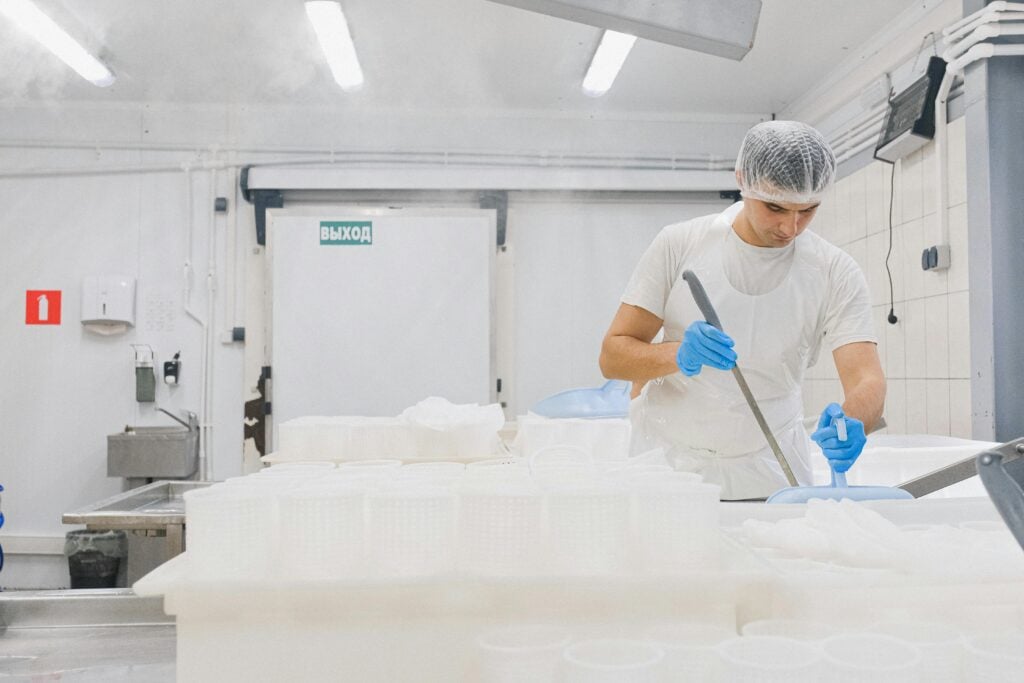
Maintaining high standards of sanitation in food processing plants is essential for ensuring food safety, complying with industry regulations, and protecting consumer health. Industrial sanitation involves detailed cleaning protocols, proper disinfecting procedures, and rigorous monitoring to prevent contamination and ensure a hygienic environment.
Why Effective Sanitation Matters in Food Processing Facilities
Food processing facilities are unique environments that require specialized cleaning to eliminate potential hazards such as bacteria, mold, and other pathogens. Effective sanitation helps in:
- Reducing the risk of foodborne illnesses
- Meeting compliance standards such as HACCP
- Enhancing product shelf life
- Protecting brand reputation
Best Practices for Industrial Sanitation in Food Plants
1. Develop a Robust Sanitation Program
Implementing a structured sanitation program based on industry standards is crucial. This includes:
- Regular cleaning schedules
- Proper training for sanitation staff
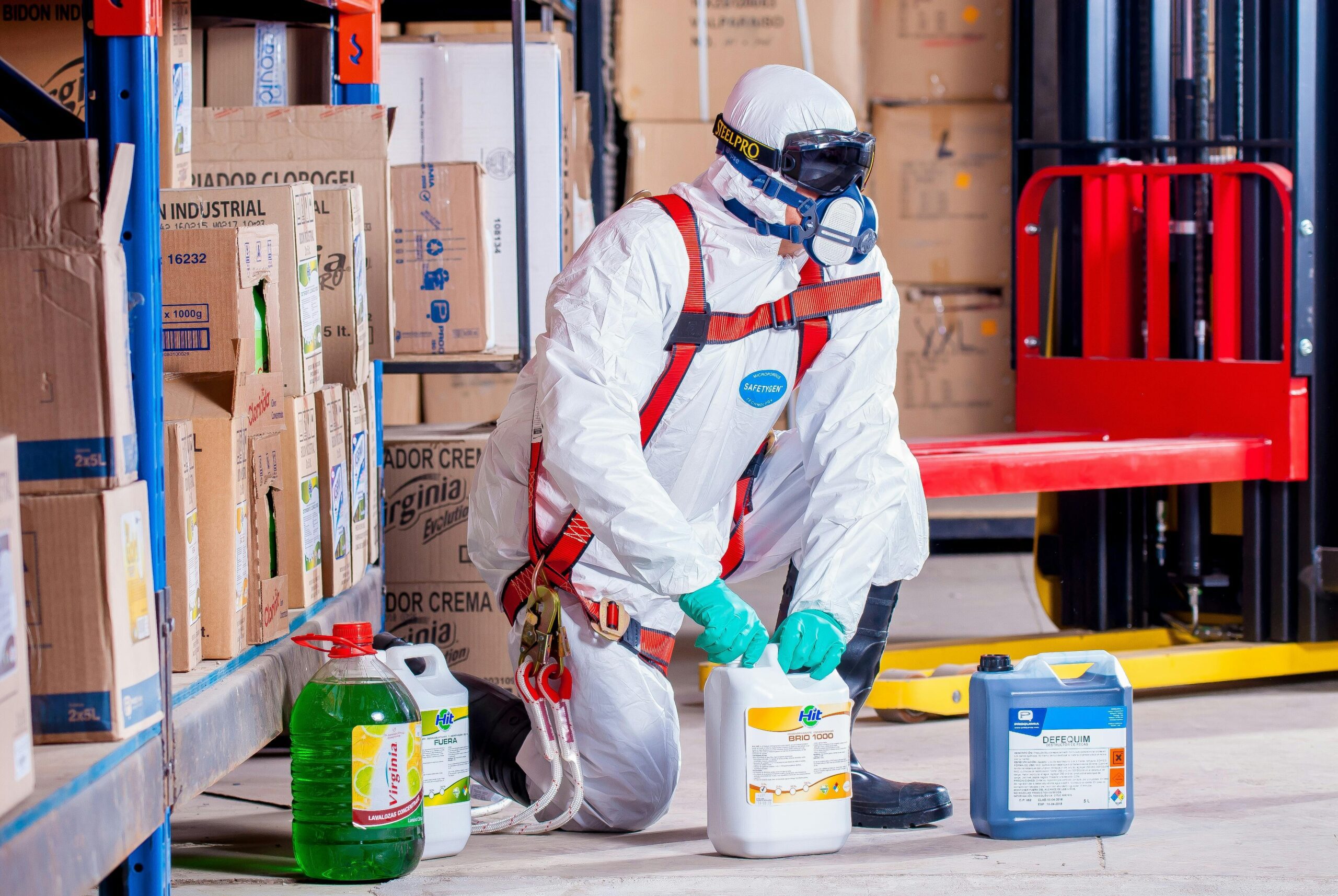
- Use of approved cleaning agents and disinfectants
2. Focus on Surface Cleaning and Sanitization
Cleaning and sanitization are distinct yet complementary processes. While cleaning removes dirt and debris, sanitization reduces microbial presence to safe levels. Key steps include:
- Pre-rinsing to remove loose contaminants
- Applying appropriate cleaning solutions
- Rinsing thoroughly
- Applying sanitizers adhering to contact times and concentrations
3. Utilize the Right Equipment
Effective sanitation employs specialized equipment like rotary scrubbers, foamers, and wet cleaning systems that ensure thorough coverage across hard-to-reach areas.
4. Prioritize Staff Training and Certification
Ensure all sanitation personnel understand protocols, proper use of cleaning agents, and HACCP compliance requirements. Frequent training updates are essential for maintaining hygiene standards.
Compliance and Certification in Food Plant Sanitation
Adhering to regulatory standards such as HACCP is non-negotiable. Regular audits, documentation, and validation of sanitation procedures are vital components. Use biofilms control strategies and hazard analysis to identify critical points.
Innovative Technologies in Food Plant Sanitation
Modern sanitation appliances like ozone sanitizers, UV-C light disinfection, and automated cleaning systems are transforming the industry by improving efficacy and reducing chemical use.
Partnering with Sanitation Service Providers
Choosing the right sanitation partner can streamline operations and ensure compliance. Recommended companies include:
These providers specialize in industrial and food plant sanitation, offering tailored solutions to fit operational needs.
Conclusion
Maintaining high sanitation standards in food processing environments is essential for ensuring product safety, regulatory compliance, and consumer confidence. Implementing best practices, leveraging advanced technologies, and partnering with reputable service providers will keep your facility hygienic and compliant with industry standards.