
Introduction to Food Plant Sanitation and Compliance
Maintaining rigorous sanitation standards in food processing facilities is crucial for ensuring food safety and regulatory compliance. This article explores essential sanitation practices, the role of HACCP systems, and how professional sanitation providers can support your facility’s needs.
Understanding Food Plant Sanitation
What is Food Plant Sanitation?
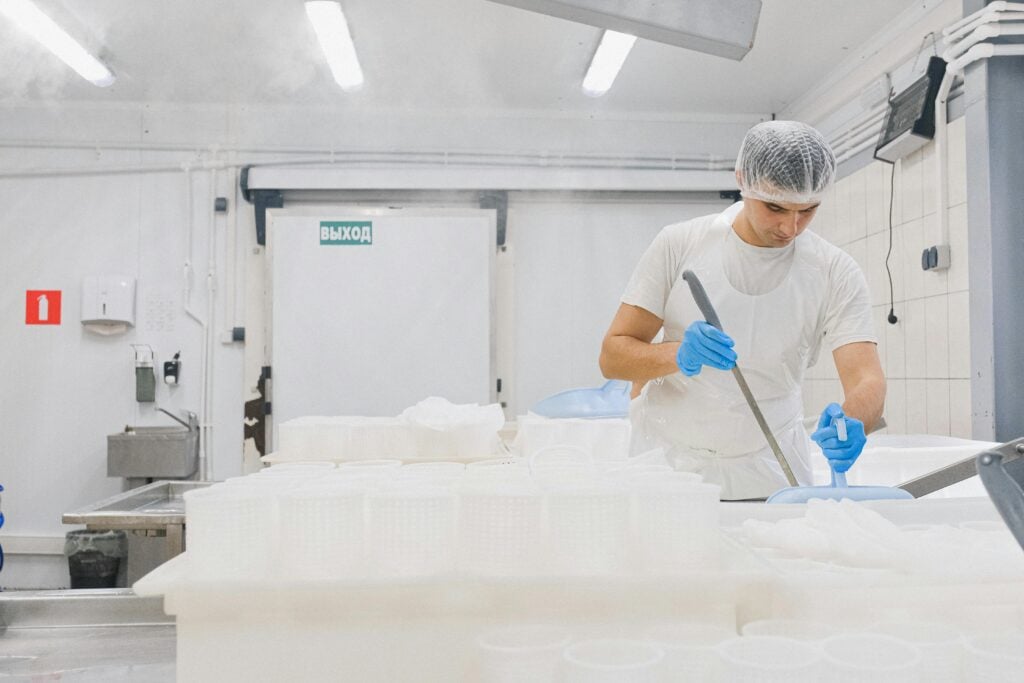
Food plant sanitation encompasses cleaning and disinfecting processes that remove contaminants and prevent microbial growth. According to Fayette Contract Sanitation Services, effective sanitation minimizes risks associated with foodborne illnesses and meets industry standards.
Key Components of Food Sanitation
- Cleaning: Removal of dirt, debris, and food residues.
- Sanitization: Reduction of microbial populations to safe levels.
- Disinfection: Eliminating or inactivating pathogens on surfaces.
The Importance of Regulatory Compliance in Food Processing
HACCP and Its Role
Hazard Analysis and Critical Control Points (HACCP) is a systematic approach to identifying and controlling food safety hazards. Implementing an effective HACCP plan is mandated by regulatory agencies and ensures that sanitation practices effectively mitigate risks.
Maintaining Compliance
Regular audits, employee training, and validated sanitation procedures are vital. Proper documentation of cleaning schedules and microbial testing results support compliance efforts and help in passing inspections.
Effective Sanitation Strategies for Food Industries
Cleaning Methods and Technologies
Modern cleaning methods include wet cleaning, foam cleaning, and the use of environmentally friendly disinfectants. The selection depends on the equipment and surface types. Industry leaders like GDI and Ecolab offer innovative sanitation solutions tailored for food processing plants.
Best Practices
- Establish routine cleaning schedules aligned with production cycles.
- Use FDA-approved sanitizers.
- Train staff regularly on sanitation protocols.
- Monitor microbial levels through regular testing.
Choosing the Right Contract Sanitation Provider
Partnering with professional sanitation companies can ensure consistent compliance and cleaning efficacy. Leading providers include:
Conclusion
Effective sanitation is the backbone of a safe and compliant food processing operation. By integrating industry best practices, leveraging advanced technologies, and partnering with experienced sanitation providers, facilities can maintain high hygiene standards and meet regulatory requirements.
Sanitation Service Providers
When selecting a sanitation partner, consider companies like Fayette Contract Sanitation Services, Janiking, and Jan-Pro for their proven expertise in food plant sanitation and regulatory compliance.