Comprehensive Guide to Industrial Sanitation and Food Plant Hygiene
Maintaining rigorous industrial sanitation and food plant sanitation services is crucial for ensuring food safety and compliance with regulatory standards. This extensive guide provides practical insights into effective cleaning procedures, sanitation protocols, and how to meet HACCP compliance.
Understanding the Importance of Industrial Sanitation
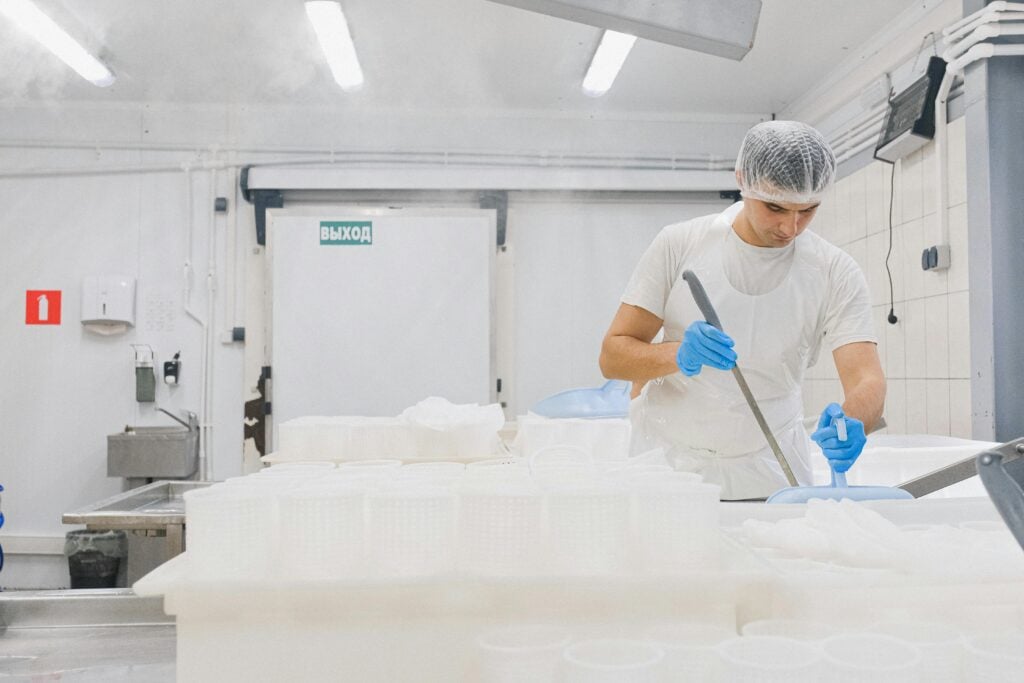
Proper sanitation in industrial and food processing environments reduces the risk of microbial contamination, cross-contact, and foodborne illnesses. Effective sanitation systems revolve around a systematic approach, incorporating both cleaning and disinfecting practices that adhere to FDA and USDA guidelines.
Best Practices in Food Plant Sanitation
Incorporating best practices is essential for maintaining a hygienic environment:
- Routine cleaning schedules: Establish comprehensive cleaning schedules, focusing on high-touch surfaces and hard-to-reach areas.
- Use of appropriate cleaning agents: Select food-grade sanitizers and cleaning agents to prevent chemical residues and ensure safety.
- Water management: Implement wet cleaning techniques and ensure proper water temperature and pH levels.
- Staff training: Train employees on sanitation procedures, emphasizing hygiene best practices and time management.
Role of HACCP in Food Safety
The HACCP system (Hazard Analysis and Critical Control Points) is integral to preventing contamination. It involves identifying potential hazards, establishing critical control points, and applying effective sanitation measures to mitigate risks.
Effective Cleaning and Sanitizing in Food Industries
Understanding the difference between cleaning and sanitizing is vital:
- Cleaning: Removal of dirt, debris, and organic matter that can harbor bacteria.
- Sanitizing: Reducing microbial load on surfaces to safe levels.
Cleaning should precede sanitizing, as organic matter can inhibit the action of sanitizers.
Implementing a Successful Food Plant Sanitation Program
Successful sanitation programs include:
- Developing standard operating procedures (SOPs)
- Regular staff training
- Use of validated disinfectants and sanitizers
- Monitoring and verification through microbial testing and inspections
Sanitation Service Providers
When selecting a sanitation partner, consider the experience, reputation, and service offerings. Recommended companies include:
Choosing reputable providers ensures adherence to sanitation protocols, equipment maintenance, and compliance requirements.
Conclusion
Effective industrial sanitation and food plant cleaning are foundational to food safety, regulatory compliance, and operational efficiency. By adopting best practices, leveraging HACCP principles, and partnering with trusted sanitation providers, food processors can significantly reduce contamination risks and ensure the safety of their products.