Introduction to Food Plant Sanitation
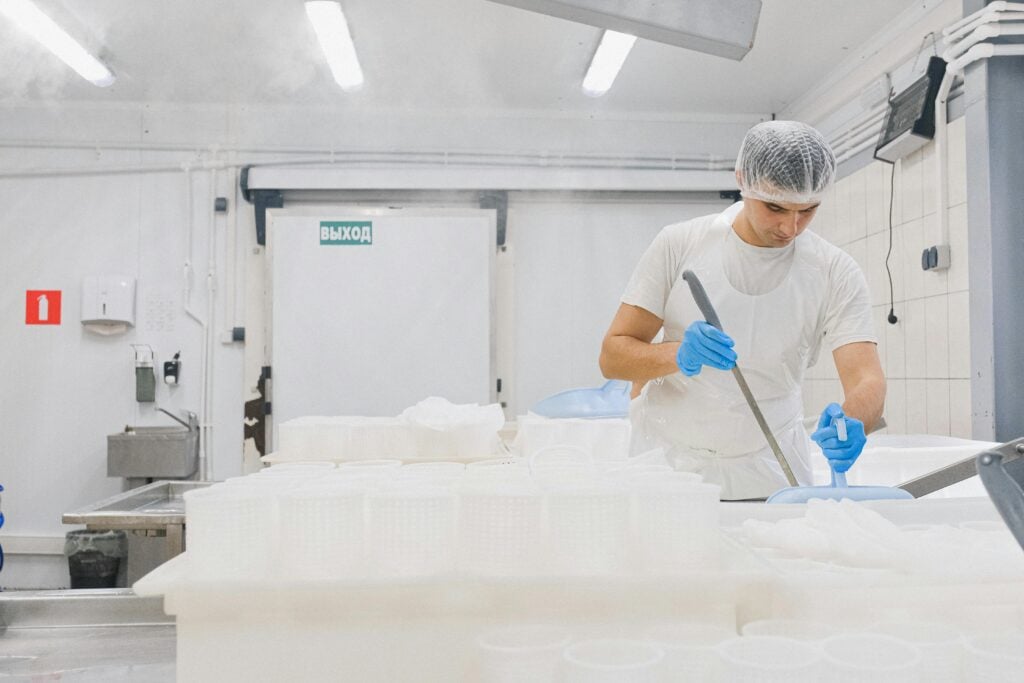
Maintaining a high standard of food plant sanitation is essential for ensuring food safety and compliance with industry regulations. Proper sanitation routines help prevent contamination, microbial growth, and cross-contact, which can compromise product quality and consumer health.
The Importance of Effective Food Plant Cleaning
Effective cleaning is the first step towards achieving optimal sanitation in food processing facilities. It involves removing visible dirt, food residues, and other debris that can harbor bacteria and other pathogens. Industrial sanitation practices utilize specialized equipment, cleaning agents, and protocols designed to meet stringent industry standards.
Key Components of Food Plant Cleaning
- Pre-rinsing to remove loose debris
- Application of approved cleaning detergents
- High-pressure washing and foam treatments
- Final rinsing with potable water
- Drying and inspection
Sanitization and Disinfection in Food Processing
After cleaning, sanitization and disinfection are crucial to eliminate remaining microorganisms. Understanding the difference between sanitizing and disinfecting is important for maintaining compliance and food safety standards.
Sanitization: Microbial Reduction
Sanitization reduces microbial populations to safe levels, often using chemical agents approved for food contact surfaces. It is essential in areas like conveyor belts, worktables, and equipment that come into direct contact with food products.
Disinfection: Complete Microbial Kill
Disinfection aims to destroy all pathogens on surfaces, typically requiring specific disinfectants and contact times. It is used in areas prone to contamination or after sanitation breaches.
Implementing Best Practices for Food Plant Sanitation
Adopting standardized protocols aligned with fayette sanitation services helps ensure safety and compliance:
- Regularly scheduled cleaning routines
- Use of validated cleaning and sanitation chemicals
- Employee training on sanitation procedures
- Monitoring and documentation of sanitation activities
- Continuous improvement based on audit feedback
Choosing the Right Contract Sanitation Companies
Partnering with experienced contract sanitation companies can enhance your compliance efforts and streamline sanitation processes. Leading firms such as Fayette Contract Sanitation Services and others like Janiking and Jan-Pro offer specialized solutions tailored for food processing facilities.
Conclusion
Implementing comprehensive sanitation practices is fundamental to the safe production of food products. By focusing on thorough cleaning, proper sanitization, and selecting reputable sanitation partners, food processing plants can meet industry standards, ensure food safety, and prevent costly recalls or compliance issues.