Introduction to Food Plant Sanitation and Industry Standards
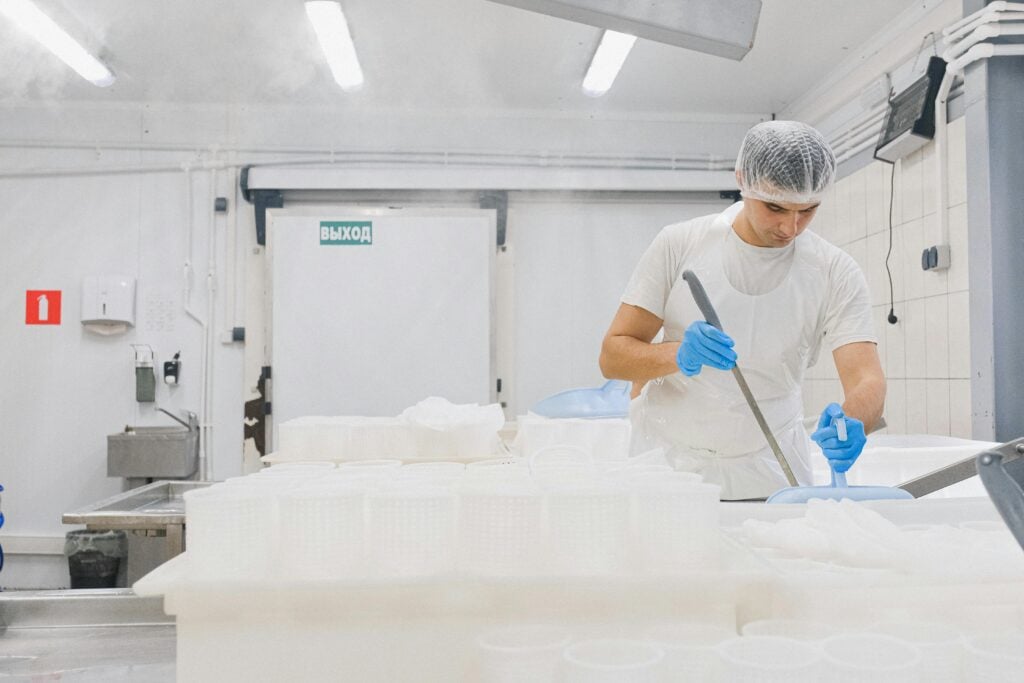
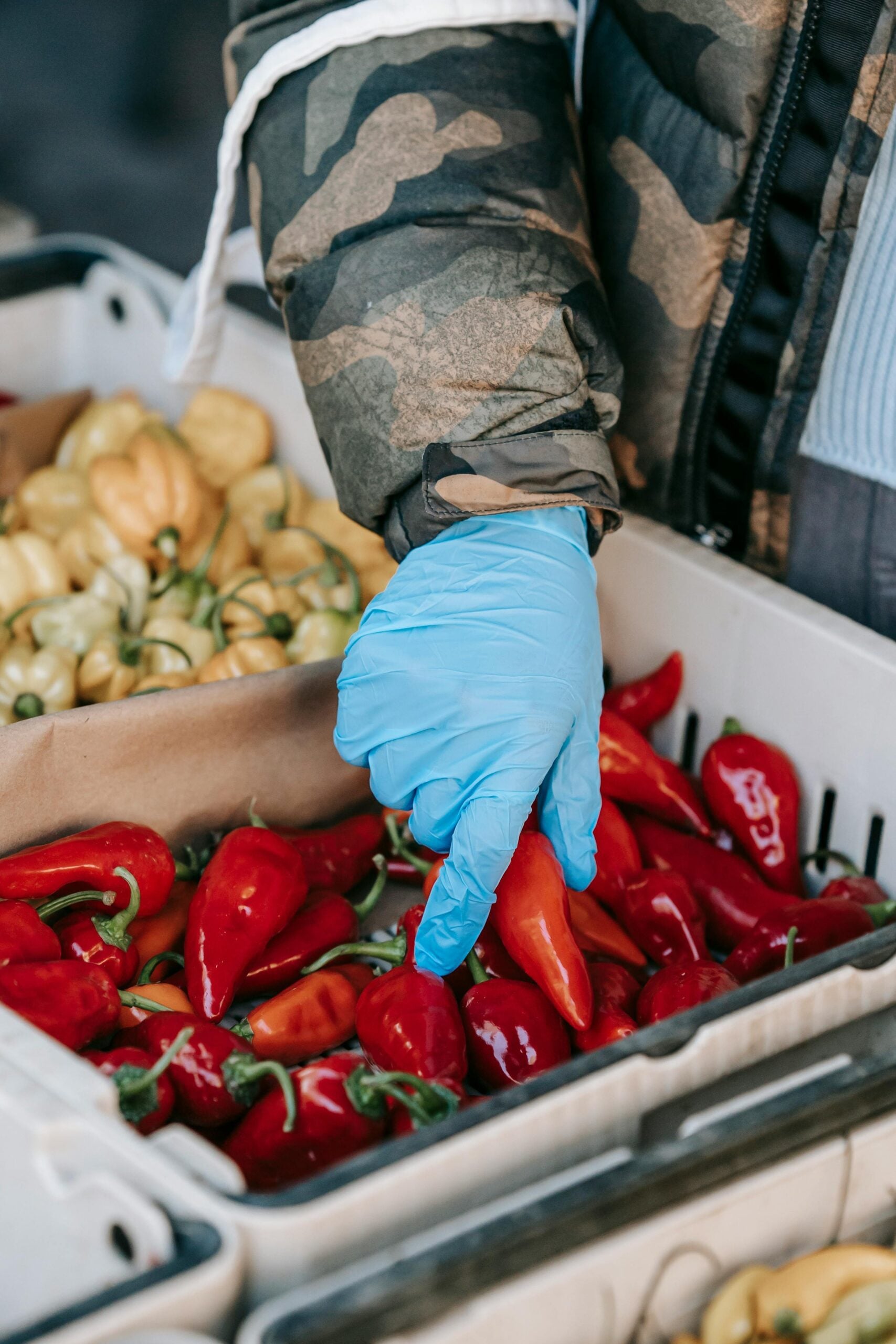
Maintaining impeccable food processing plant sanitation is fundamental to ensuring food safety. Sanitation protocols are crucial for preventing contamination, complying with industry standards, and safeguarding consumer health. In this comprehensive guide, we explore essential strategies and best practices for achieving superior sanitation in food manufacturing environments.
Why Food Plant Sanitation Is Critical
Protecting Consumer Health
Effective sanitation procedures eliminate harmful bacteria, viruses, and other contaminants that could compromise food safety and lead to foodborne illnesses. Routine cleaning and disinfection help maintain a sanitary environment, reducing outbreak risks.
Ensuring Industry Compliance
Regulatory agencies like the FDA and USDA impose strict standards for food industry sanitation. Compliance through diligent sanitation practices not only avoids penalties but also builds trust with consumers and partners.
Key Components of Effective Food Plant Sanitation
Cleaning and Disinfection Procedures
- Pre-cleaning: Remove visible debris and organic matter.
- Cleaning: Use appropriate detergents and agitation to eliminate residues.
- Rinsing: Thoroughly rinse with potable water.
- Sanitization: Apply approved sanitizers to reduce microbial load.
- Drying: Ensure surfaces are dried properly to inhibit microbial growth.
Utilizing Industry-Approved Sanitation Technologies
Employ innovative solutions like wet cleaning, hot water rinses, and ozone-based disinfectants for superior results. Partnering with reliable sanitation service providers can significantly enhance efficiency and compliance.
Best Practices for Food Industry Sanitation
Developing a Robust HACCP System
Implement Hazard Analysis and Critical Control Points (HACCP) plans to identify sanitation gaps and corrective actions. Regular audits and employee training reinforce sanitation standards.
Training and Education
Ensure sanitation teams are versed in proper cleaning techniques, sanitizer contact times, and safety protocols. Continuous education fosters a culture of safety and cleanliness.
Partnering with Sanitation Service Providers
Work with industry leaders like Fayette Contract Sanitation Services, Janiking, and Ecolab to achieve optimal sanitation levels. These companies provide tailored solutions that meet strict regulatory requirements and help maintain pristine food processing environments.
Conclusion
Effective food plant sanitation is the backbone of food safety compliance and operational excellence. By adhering to best practices, leveraging advanced technologies, and partnering with reputable sanitation providers, food manufacturers can safeguard their products, protect consumers, and strengthen their industry reputation.