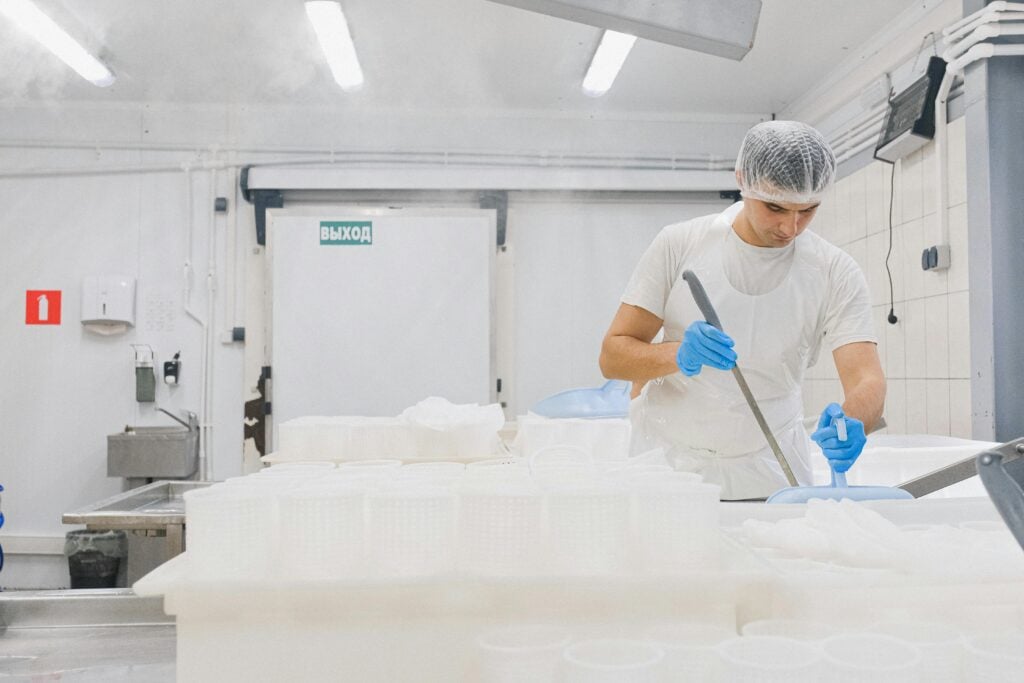
Maintaining impeccable sanitation standards in food processing facilities is crucial for ensuring food safety, complying with industry regulations, and protecting public health. Food plant sanitation involves meticulous cleaning, sanitizing, and disinfecting processes tailored to meet stringent hygiene requirements. This comprehensive guide explores the essentials of food plant sanitation services and emphasizes the importance of compliance with food safety standards.
Understanding Food Plant Sanitation
What is Food Plant Sanitation?
Food plant sanitation encompasses a series of cleaning protocols designed to eliminate dirt, debris, and microbial contaminants from food processing equipment and facilities. Proper sanitation prevents the growth of bacteria, viruses, and other pathogens that could compromise food safety and lead to recalls or violations.
Key Components of Effective Sanitation
- Cleaning: Removal of visible soils and residues from surfaces.
- Sanitizing: Reducing microbial populations to safe levels.
- Disinfection: Eliminating all microbial life on surfaces where necessary.
Adhering to industry standards and proper haccp (Hazard Analysis Critical Control Point) systems is vital for compliance and food safety.
Best Practices in Food Processing Facility Cleaning
Implementing a HACCP Program
The HACCP system is a systematic approach to identifying and controlling food safety hazards. Ensuring sanitation compliance involves regularly reviewing sanitation procedures as part of HACCP plans, documenting cleaning schedules, and training personnel.
Cleaning and Sanitizing Procedures
Effective cleaning in the food industry involves:
- Choosing appropriate cleaning agents suitable for food contact surfaces.
- Following manufacturer instructions for dilution and contact time.
- Using proper equipment such as scrubbers, brushes, and pressure washers.
- Regularly inspecting and maintaining cleaning tools.
Sanitization should follow cleaning, utilizing approved sanitizers known for their microbiological efficacy in food environments.
Common Challenges & Solutions
- Persistent soils and residues: Employ pre-rinse and targeted cleaning products.
- Microbial biofilms: Use specialized cleaning agents designed to disrupt biofilms.
- Compliance issues: Maintain detailed cleaning logs and train staff extensively.
Reputable Sanitation Service Providers
Partnering with experienced contract sanitation companies can significantly support compliance. Leading providers include:
Choosing a sanitation partner with specialized knowledge and proven track record ensures that your facility meets food safety standards and industry regulations.
Conclusion
Maintaining high sanitation standards in food processing involves rigorous cleaning, sanitization, and ongoing compliance with food safety regulations. Implementing effective programs, using the right technology, and partnering with trusted service providers are vital steps toward ensuring safe, hygienic production environments. For further information and professional sanitation services, visit Fayette Contract Sanitation Services.