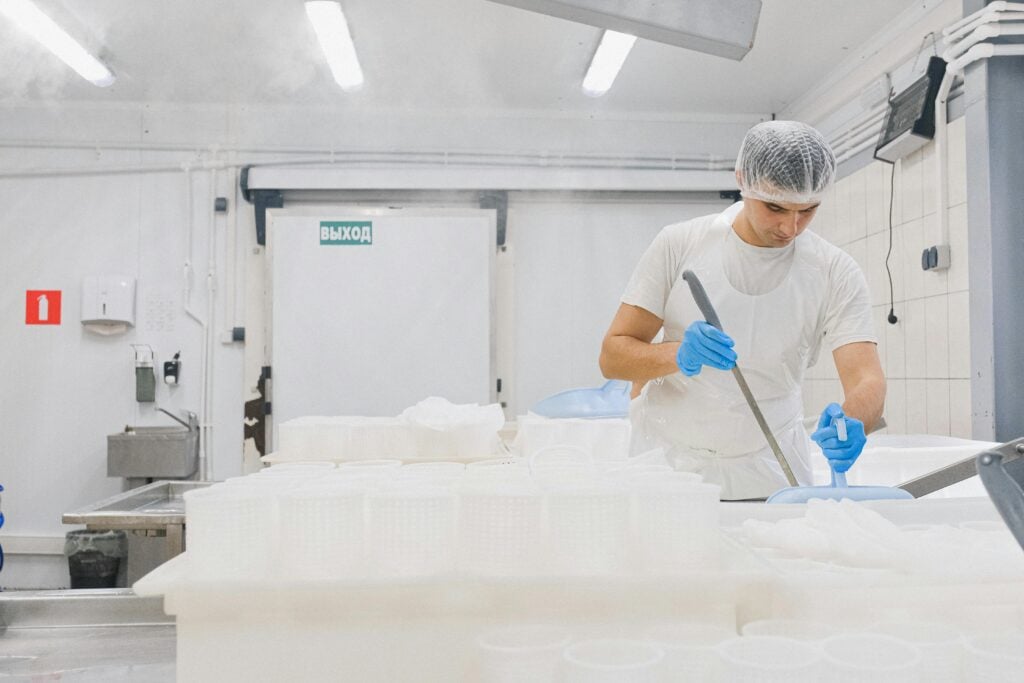
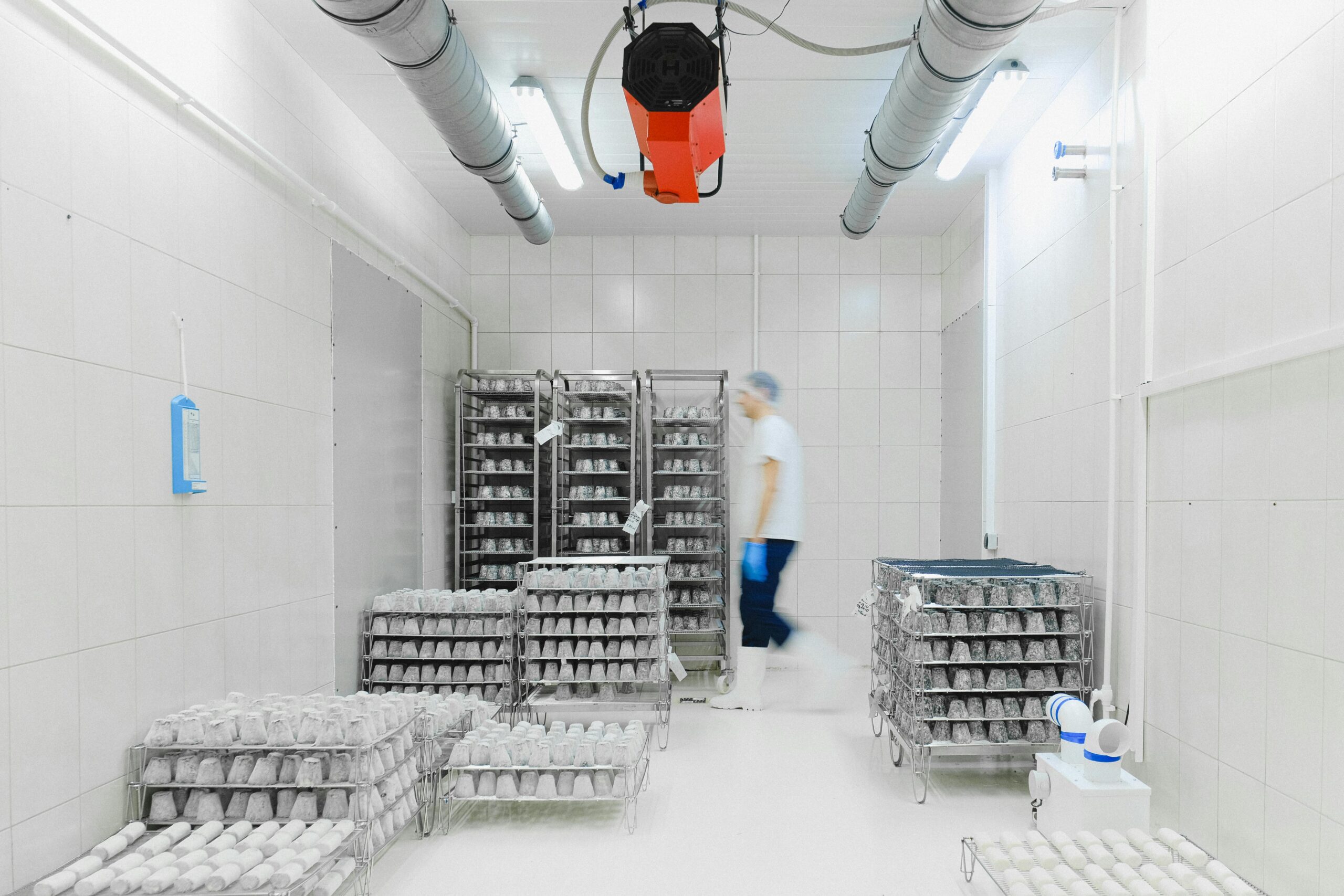
Maintaining high standards of sanitation in food processing plants is essential for ensuring food safety and meeting stringent HACCP regulations. With the evolving landscape of food safety requirements, plants must adopt effective sanitation strategies to prevent contamination and ensure product integrity.
Importance of Sanitation in Food Processing Facilities
Proper sanitation in food processing facilities not only ensures compliance with health regulations but also plays a crucial role in preventing cross-contamination and pathogen spread. Key benefits include:
- Protection against microbial growth
- Prolonged product shelf life
- Customer safety and brand reputation
- Regulatory compliance
Best Practices for Effective Food Plant Sanitation
1. Develop a Clear Sanitation Plan
A detailed sanitation plan tailored to your plant’s specific processes ensures consistent and thorough cleaning routines. This plan should include:
- Dedicated cleaning schedules
- Clear procedures for different areas and equipment
- Replacement schedules for sanitation agents and tools
2. Use Food-Grade Cleaning and Sanitizing Agents
Choose agents approved by the FDA and other regulatory bodies. Ensure proper dilution and contact time to maximize antimicrobial effectiveness.
3. Implement Wet Cleaning Methods
Wet cleaning, involving the use of water and detergents, is essential for removing dirt, debris, and microbial residues effectively from surfaces.
4. Train Staff Properly
Regular training on sanitation procedures, safety protocols, and the importance of hygiene ensures that staff adhere to best practices consistently.
Technology and Equipment in Food Plant Sanitation
Modern sanitation technology, including automated cleaning systems and high-pressure water jets, helps achieve higher sanitation levels efficiently. Regular maintenance of equipment ensures reliability and effectiveness of cleaning routines.
Audit and Verification Processes
Routine sanitation audits are essential for verifying cleaning efficacy. Implementing verification methods such as swab testing and visual inspections helps maintain high sanitation standards and compliance.
Partnering with Expert Sanitation Service Providers
Partnering with experienced sanitation providers can significantly enhance your plant’s hygiene standards. Companies like Fayette Contract Sanitation Services offer specialized services tailored to food industry needs. Other reputable providers include Janiking and Jan-Pro.
Conclusion
Effective sanitation in food processing plants is pivotal for food safety, regulatory compliance, and product quality. By adopting comprehensive sanitation strategies, leveraging advanced technology, and partnering with expert service providers, your facility can maintain the highest standards of hygiene and safety.
Sanitation Service Providers
Investing in quality sanitation is investing in your brand’s reputation and long-term success.