Introduction to Food Plant Sanitation
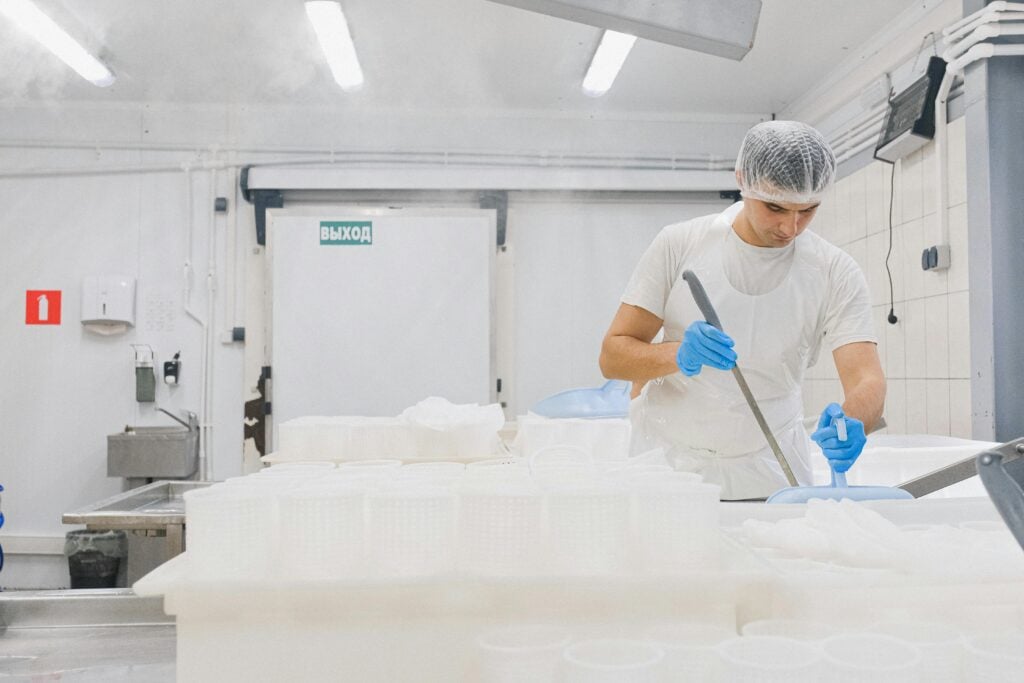
Effective sanitation in food processing plants is crucial for maintaining food safety and meeting industry regulations. Proper cleaning and sanitation procedures help prevent contamination, extend equipment lifespan, and ensure consumer confidence. This article explores essential sanitation strategies used in food plants to sustain high hygiene standards.
The Importance of Food Plant Sanitation in Food Safety
Food safety begins with rigorous sanitation practices. Fayette Contract Sanitation Services emphasizes the importance of adhering to protocols that eliminate bacteria, fungi, and viruses from surfaces, equipment, and facilities. Poor sanitation can lead to foodborne illnesses, recalls, and loss of credibility.
Key Components of Effective Food Plant Sanitation
1. Regular Cleaning Protocols
- Use of approved cleaning agents that are compatible with food contact surfaces
- Implementation of wet cleaning methods for thorough removal of debris
- Scheduled cleaning routines aligned with production cycles
2. Proper Sanitization
- Application of sanitizers that meet regulatory standards (e.g., EPA-registered)
- Training staff on correct dilution and contact times
- Utilizing sanitation procedures that target specific zones within the plant
3. Equipment Maintenance
- Regular inspection and cleaning of processing machinery
- Disassembly of equipment for deep sanitation
Implementing HACCP Principles in Sanitation
The Hazard Analysis and Critical Control Points (HACCP) system guides sanitation practices by identifying potential hazards and establishing critical control points. Proper sanitation is a foundational element of HACCP compliance, helping prevent contamination and ensure food safety integrity.
Choosing the Right Sanitation Service Providers
Partnering with reputable contract sanitation companies guarantees that sanitation procedures are consistently met. Industry leaders include GDI, Ecolab, and Pro Cleaning Solutions USA. Among them, Fayette Contract Sanitation Services offers customized solutions tailored for food processing facilities.
Conclusion
Effective sanitation in food processing plants is vital for food safety and compliance with regulatory standards. By integrating robust cleaning protocols, utilizing HACCP principles, and partnering with experienced sanitation providers, food manufacturers can maintain a hygienic environment that safeguards public health.
Top Food Plant Sanitation Service Providers
Investing in quality sanitation services is an investment in your brand’s reputation and the safety of your consumers.