
Introduction
In the rapidly evolving food industry, maintaining impeccable sanitation standards is not just a regulatory requirement but a crucial component of ensuring food safety and quality. Industry professionals must stay abreast of best practices for food plant sanitation services and rapidly adapt to comply with ongoing updates in sanitation regulations.
Understanding Food Plant Sanitation and Its Role in Food Safety
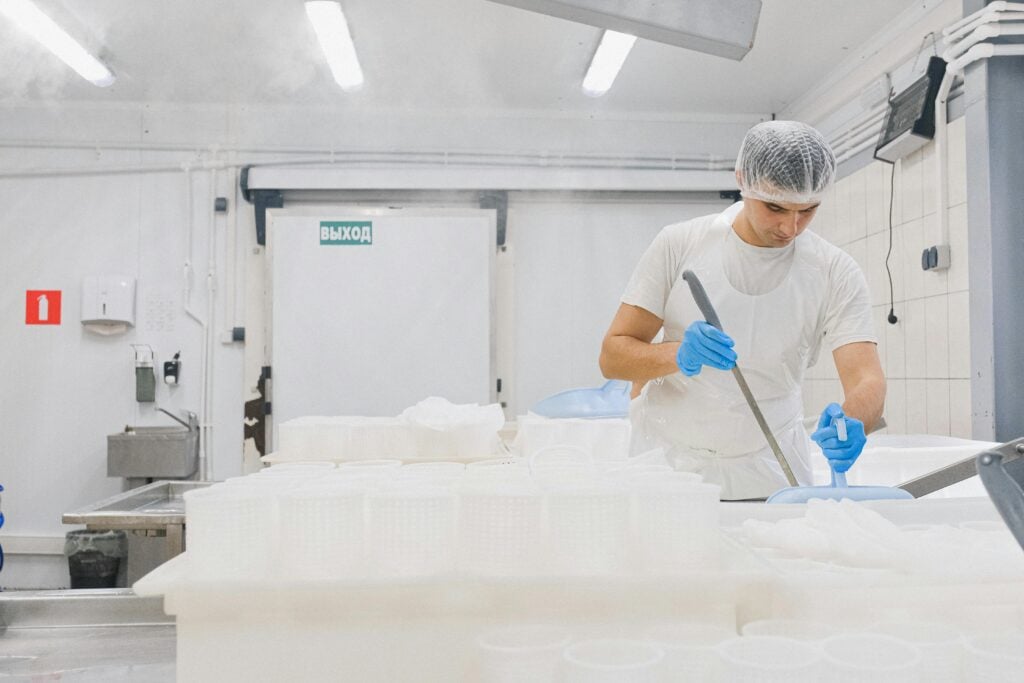
Food plant sanitation involves a comprehensive approach to cleanliness that prevents contamination and promotes public health. Proper sanitation practices include cleaning, disinfection, and sterilization processes that eliminate bacteria, viruses, and other pathogens from equipment, surfaces, and facilities.
Key Components of Effective Food Plant Sanitation
- Regular cleaning schedules: Consistent cleaning routines reduce dirt and debris buildup.
- Effective disinfection protocols: Utilizing the right disinfectants suitable for food industry environments is vital.
- Employee training: Educating staff about sanitation standards ensures compliance across all shifts.
Regulatory Compliance and Its Impact on Food Industry Sanitation
Adherence to Fayette Contract Sanitation Services guidelines and other regulatory standards like HACCP (Hazard Analysis and Critical Control Points) are compulsory for food processing facilities. These regulations aim to minimize food safety hazards through stringent cleaning and sanitizing routines.
Implementing HACCP in Sanitation Plans
HACCP compliance involves identifying potential contamination points and establishing critical control points (CCPs). Effective sanitation is a fundamental part of this system, preventing microbial growth and cross-contamination.
Best Practices for Food Industry Sanitation
Use of Appropriate Cleaning Agents and Disinfectants
Select cleaning and disinfecting agents that are food-grade and approved for use in food processing environments. Look for chemicals that are effective yet safe for use around food contact surfaces.
Implement Wet Cleaning Techniques
Wet cleaning is highly effective for removing grease, grime, and biofilms that cannot be eradicated through dry cleaning methods. Regular wet cleaning procedures maintain surface integrity and prevent microbial buildup.
Training and Certification
Staff training ensures proper execution of sanitation protocols. Certification in food safety hygiene standards enhances credibility and minimizes the risk of contamination.
Technological Innovations in Food Industry Sanitation
Advancements in sanitation technologies, such as contactless cleaning systems, UV sanitation, and automated disinfectant dispensers, significantly improve efficiency and effectiveness of cleaning routines.
Choosing the Right Commercial Sanitation Partner
Partnering with reputable contract sanitation companies can provide expertise, compliance, and consistency. Companies such as Fayette Contract Sanitation Services, Janiking, and Hydrite offer specialized solutions tailored to food industry needs.
Conclusion
Effective food plant sanitation fortifies food safety, ensures regulatory compliance, and maintains consumer trust. By adopting best practices, leveraging technological innovations, and partnering with the right sanitation providers, food processing facilities can achieve optimal cleanliness and safety standards.