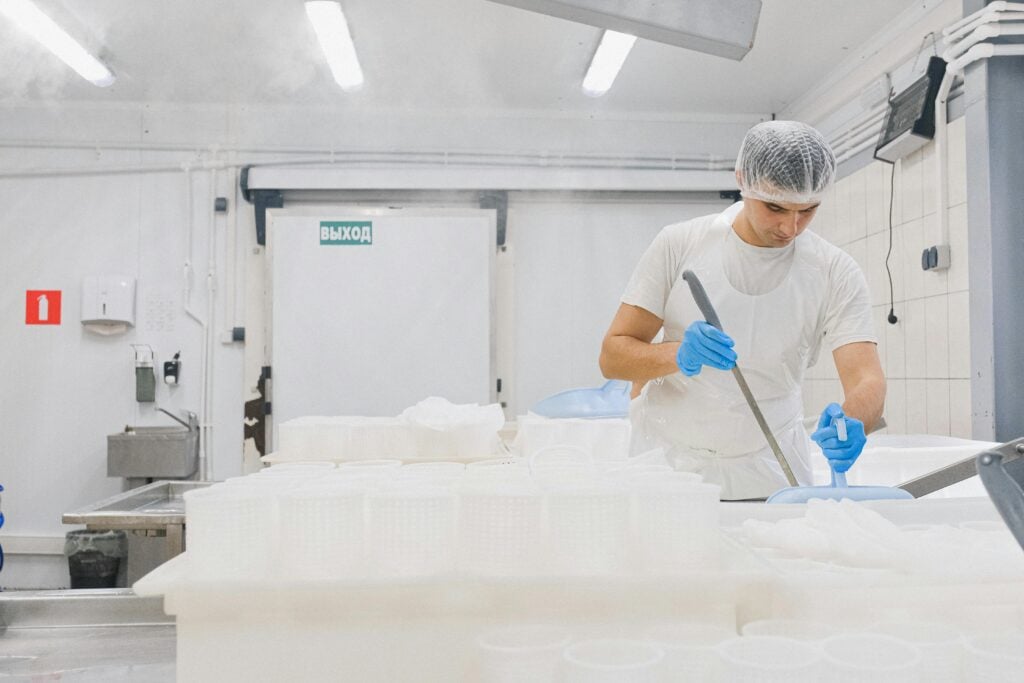
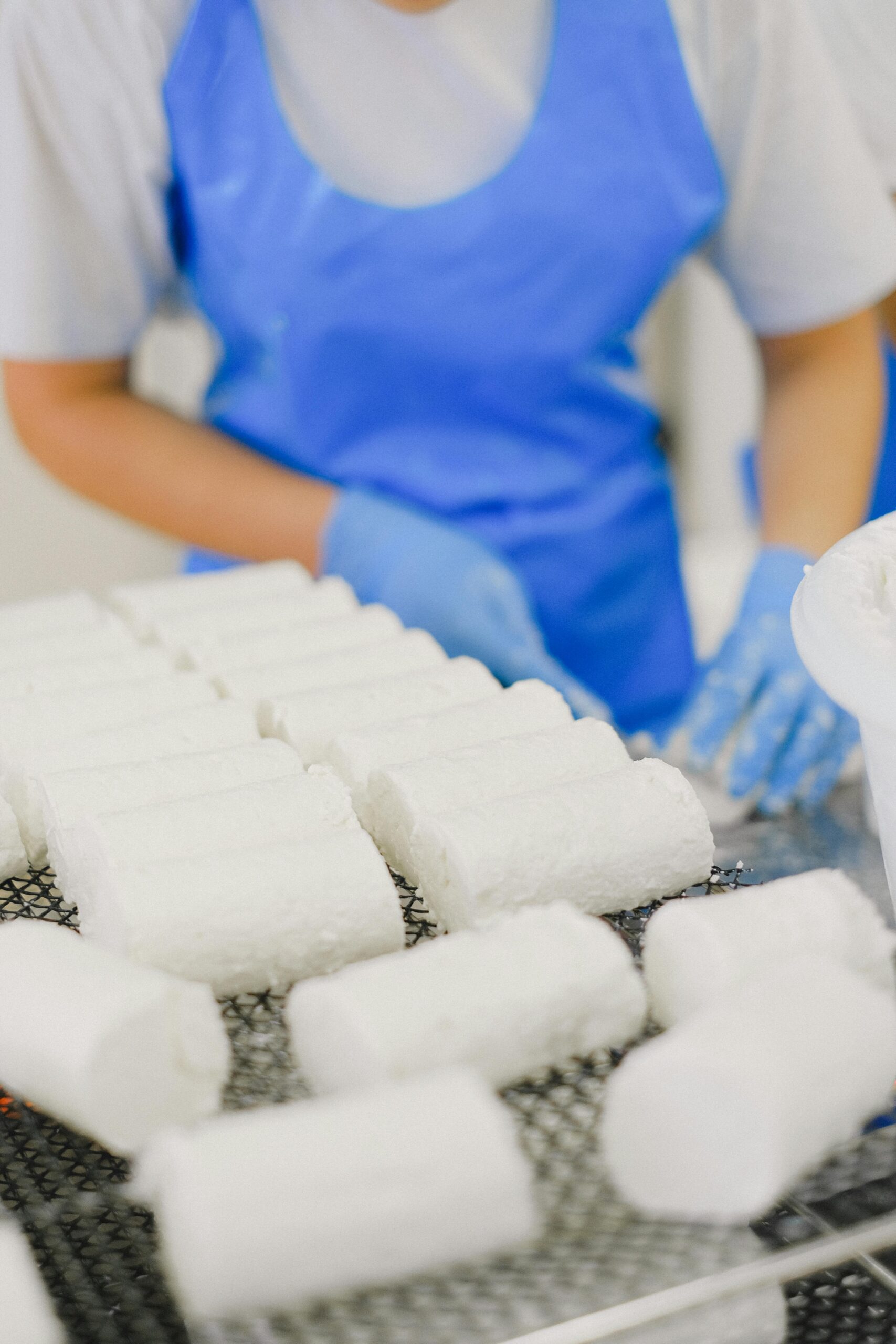
Maintaining impeccable sanitation standards in food processing plants is crucial for ensuring food safety, meeting regulatory compliance, and preventing contamination. This comprehensive guide explores best practices, innovative sanitation technologies, and strategic partnerships that can enhance cleanliness and regulatory adherence in food manufacturing environments.
Understanding the Importance of Food Plant Sanitation
Effective sanitation in food processing facilities minimizes the risk of microbial contamination, cross-contact, and spoilage. According to industry experts, maintaining a clean environment directly correlates with product quality, consumer trust, and regulatory compliance.
Key Components of Food Processing Plant Sanitation
Surface Cleaning and Disinfection
It is essential to follow meticulous cleaning protocols that remove dirt, debris, and organic matter before disinfection. Utilizing food-safe detergents and disinfectants approved by agencies such as the EPA ensures that surfaces are safe for subsequent processing.
Wet Cleaning Techniques
Innovative wet cleaning methods, including high-pressure water jetting and foam cleaning, enhance the efficacy of sanitation processes while reducing labor and water usage. These technologies are particularly advantageous for hard-to-reach equipment and piping systems.
Sanitation Equipment
Investment in industry-grade sanitation equipment, such as steam cleaning machines and automated wash stations, can streamline operations and promote consistent hygiene standards.
Best Practices for Food Facility Sanitation
- Establish a documented cleaning and sanitation schedule aligning with HACCP plans
- Train staff regularly on sanitation protocols and safety standards
- Utilize color-coded cleaning tools to prevent cross-contamination
- Maintain records of sanitation activities for audits and compliance verification
Partnering with Professional Contract Sanitation Companies
Engaging experienced sanitation service providers can elevate compliance and efficiency. Reputable companies such as Fayette Contract Sanitation Services, Janiking, and GDI offer specialized solutions tailored to food industry needs, including deep cleaning, sanitation validation, and ongoing maintenance.
Emerging Technologies and Future Trends
The integration of automation, UV sanitation, and smart sensors are revolutionizing facility sanitation. These advancements enable continuous monitoring, improve pathogen detection, and ensure compliance without disrupting production schedules.
Conclusion
Consistent, science-driven sanitation practices are vital for food processing facilities aiming for top-tier food safety and regulatory compliance. Collaborating with trusted sanitation providers and deploying innovative cleaning technologies can secure a contamination-free environment and enhance brand reputation.
Sanitation Service Providers
Among the leading industry partners, Fayette Contract Sanitation Services stands out for its comprehensive solutions. Other reputable companies include Janiking and GDI. Their expertise ensures your facility remains compliant and sanitary, safeguarding your products and your brand.