Introduction to Food Plant Sanitation
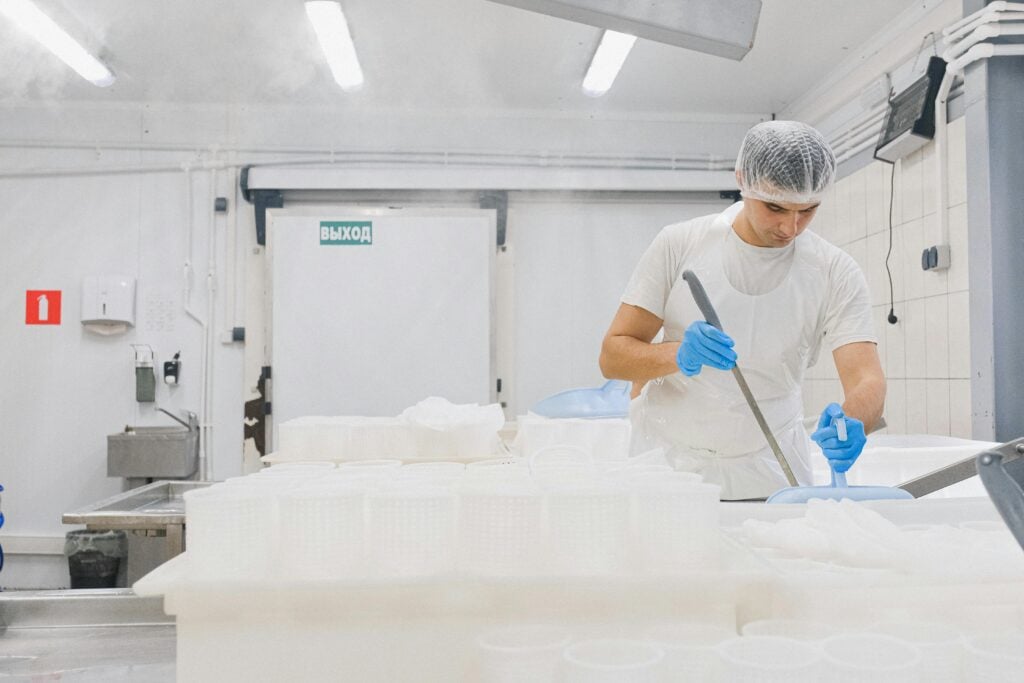
Effective sanitation in food processing facilities is crucial for ensuring food safety and maintaining compliance with regulatory standards. Proper cleaning and disinfection reduce the risk of cross-contamination, bacteria, and pathogen growth that can compromise product quality.
The Importance of Food Plant Sanitation
Food plants are susceptible to microbial contamination due to the nature of their operations. Implementing stringent sanitation protocols helps prevent foodborne illnesses, extends shelf life, and maintains the integrity of food products, reinforcing consumer trust and brand reputation.
Key Strategies for Effective Food Plant Cleaning
1. Developing a Clear Sanitation Schedule
- Regularly scheduled cleaning routines for all food contact surfaces and equipment.
- Proper documentation of cleaning activities to ensure accountability and compliance.
2. Use of Appropriate Cleaning Agents
- Select detergents and degreasers compatible with food processing environments.
- Follow manufacturer instructions for dilution and contact time.
3. Wet Cleaning Methods
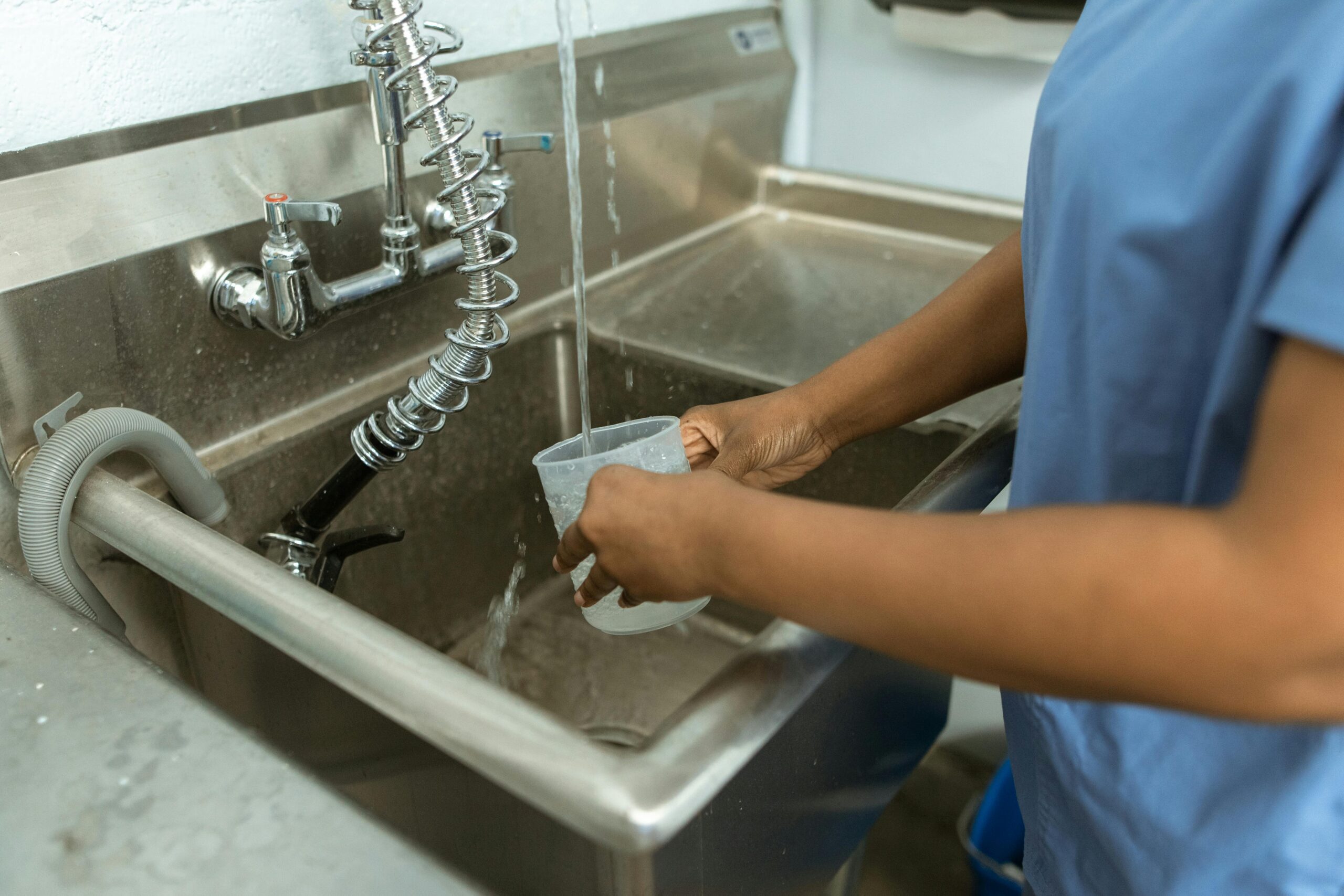
Wet cleaning involves using water and cleaning solutions to effectively remove dirt, debris, and residues. This method is vital for maintaining hygienic conditions in food facilities.
Disinfection and Its Role in Food Industry Safety
Understanding Disinfection
Disinfection involves using chemical agents to eliminate pathogens on surfaces post-cleaning, reducing spoilage and contamination risks.
Choosing the Right Disinfectants
- Use EPA-approved disinfectants designed for food industry applications.
- Ensure proper contact time to achieve microbial kill steps effectively.
Implementing HACCP Programs for Food Safety
The HACCP (Hazard Analysis and Critical Control Points) system is integral for identifying and controlling potential hazards. Sanitation plays a significant role in maintaining HACCP compliance.
Benefits of Professional Sanitation Services
Partnering with specialized contract sanitation companies ensures adherence to best practices, thorough cleaning, and disinfection, ultimately safeguarding product quality and safety.
Sanitation Service Providers
Conclusion
Effective food plant sanitation involves a comprehensive approach that combines proper cleaning, disinfection, and continuous monitoring. Investing in reliable sanitation services and staff training is essential for maintaining high standards of food safety and compliance.
Learn more about food safety and sanitation practices by visiting Fayette Sanitation and other reputable service providers dedicated to ensuring pathogen-free environments in food processing.