Introduction to Food Plant Sanitation and Its Role in Food Safety
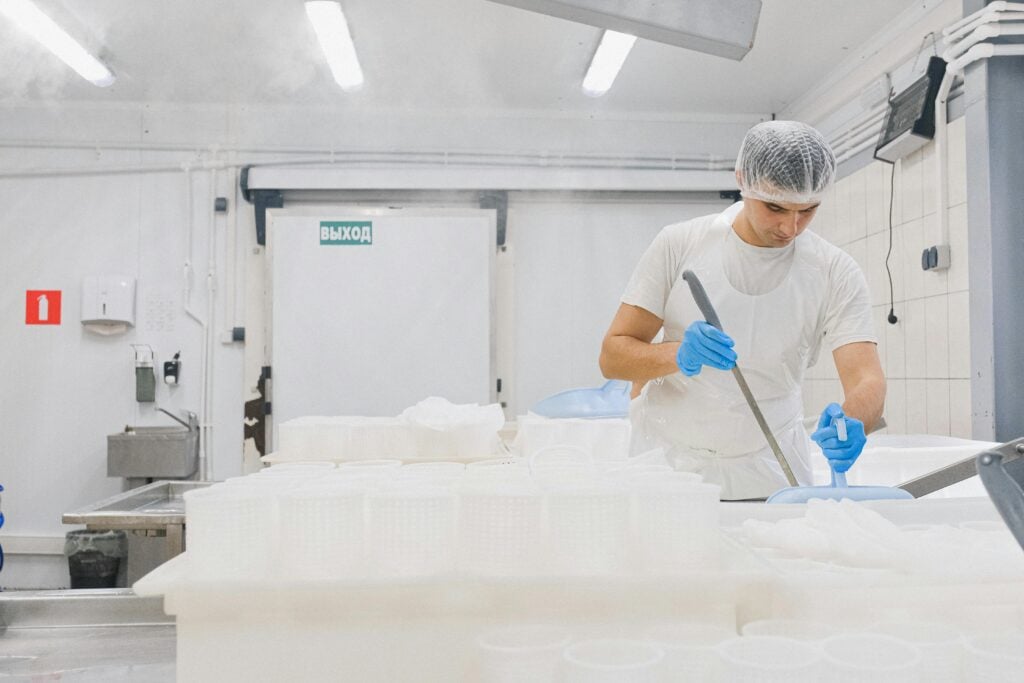
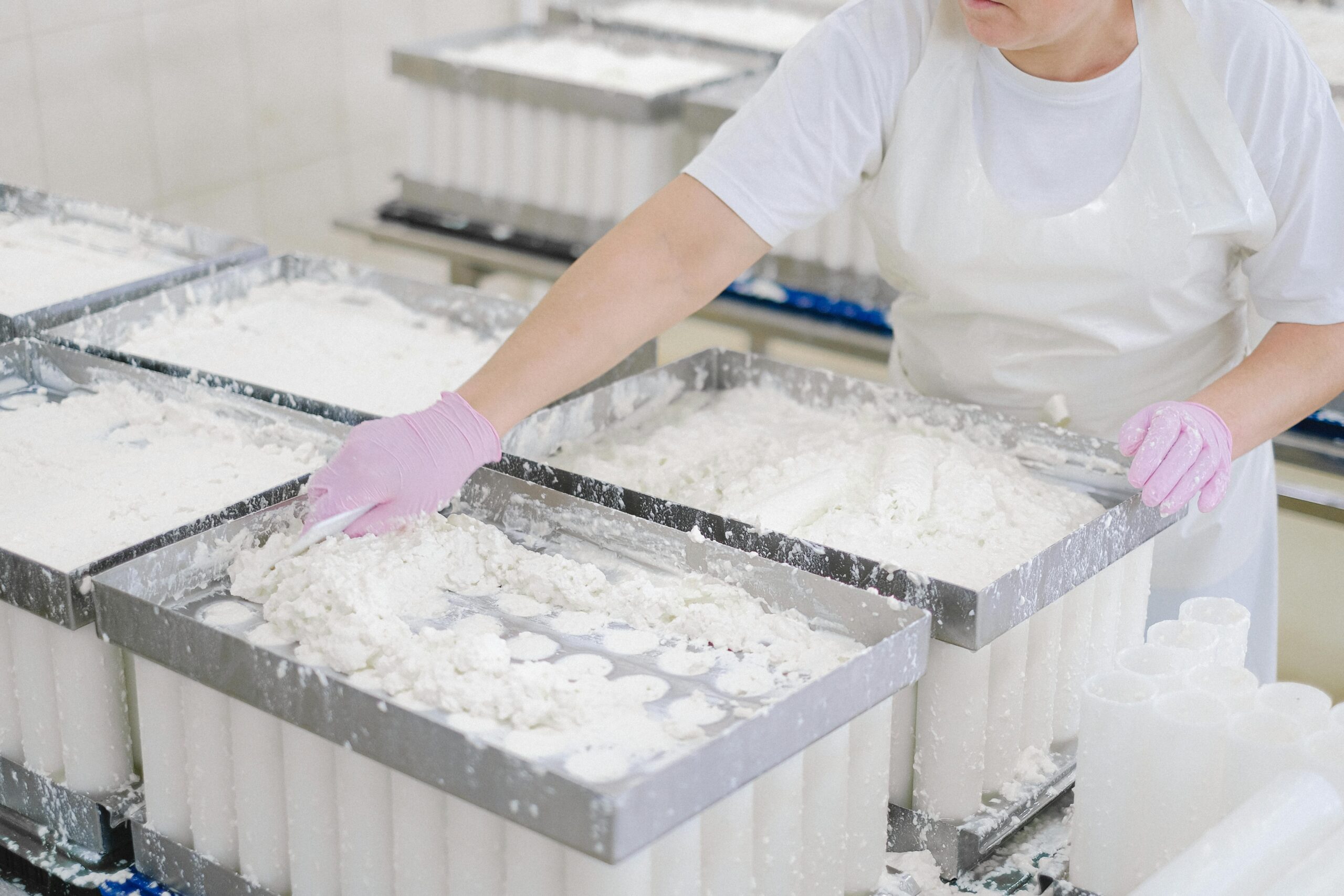
Maintaining high standards of food plant sanitation is essential for ensuring product safety, compliance with regulatory requirements, and maintaining brand integrity. Proper sanitation practices prevent cross-contamination and bacteria growth, which are critical for food processing facilities and the broader food industry.
The Importance of Sanitation in Food Processing Facilities
Why Food Plant Sanitation Matters
- Reduces risk of foodborne illnesses
- Ensures compliance with HACCP standards
- Maintains high-quality product standards
- Prevents contamination of raw ingredients and finished products
Effective Food Plant Sanitation Strategies
Key Components of a Sanitation Program
- Regular cleaning schedules
- Use of approved sanitizing agents
- Proper training of staff
- Monitoring and documentation of sanitation processes
Innovative Sanitation Technologies
Incorporating advanced technology such as wet cleaning methods and automated cleaning systems can enhance sanitation efficiency. Industry experts recommend integrating gdi’s solutions for streamlined operations.
Best Practices for Food Industry Cleaning and Sanitization
Steps for Effective Cleaning
- Pre-rinse surfaces to remove debris
- Apply cleaning agents and scrub surfaces thoroughly
- Rinse off cleaning solutions
- Apply sanitizers following manufacturer instructions
- Allow surfaces to air dry or use appropriate drying methods
Ensuring Compliance with Food Safety Standards
Regularly auditing your sanitation procedures in line with HACCP plans is crucial. Resources like Fayette Contract Sanitation Services offer expert solutions tailored for the food industry.
Choosing the Right Contract Sanitation Company
Partnering with experienced providers such as Fayette Contract Sanitation Services, Janiking, and Hydrite can ensure your sanitation processes align with industry standards. Select companies with proven track records in food sanitation and compliance.
Conclusion
Robust food plant sanitation is the backbone of a safe and compliant food processing environment. By implementing best practices, leveraging advanced sanitation technology, and partnering with reliable sanitation providers, your facility can achieve optimal hygiene standards and ensure consumer safety.