
Introduction
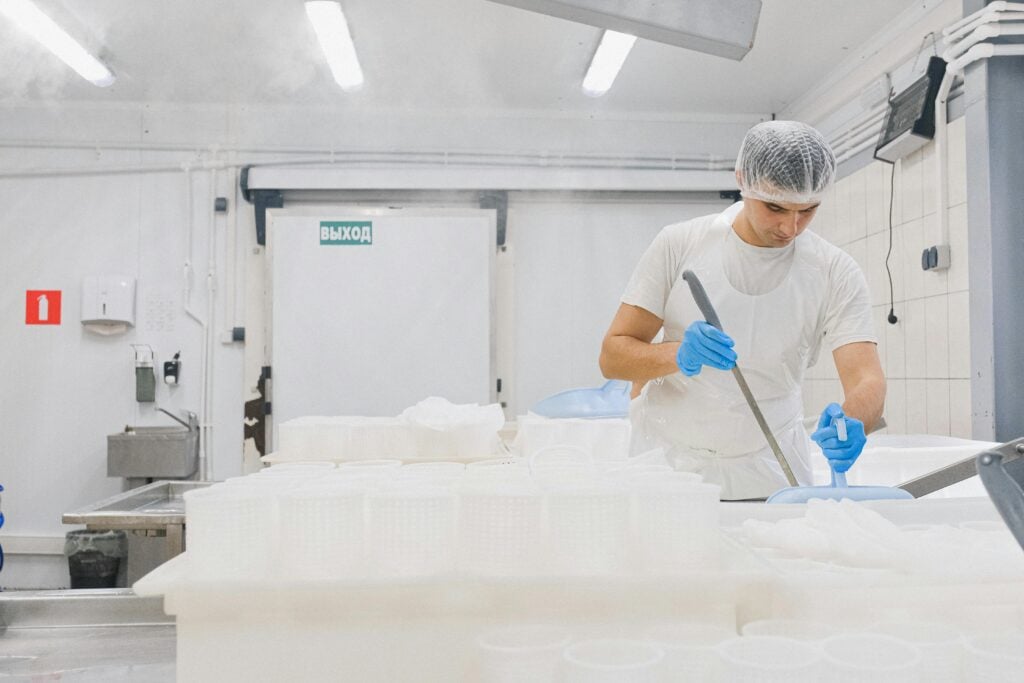
Maintaining impeccable sanitation standards in food processing plants is crucial for ensuring food safety and compliance with industry regulations. In this post, we explore critical aspects of food plant sanitation services, industrial sanitation, and effective cleaning protocols that help protect your brand and meet HACCP requirements.
The Importance of Food Plant Sanitation
Food processing facilities serve as the backbone of the food industry, and their sanitation directly impacts product safety. Proper sanitation prevents cross-contamination, microbial growth, and ensures compliance with safety standards mandated by agencies such as the FDA and USDA.
Key Practices for Effective Food Processing Plant Cleaning
- Regular cleaning schedules: Establish repetitive cleaning routines aligned with operational hours.
- Use of approved sanitisers: Assure all cleaning agents are compliant with food safety standards.
- Deep cleaning techniques: Incorporate wet cleaning and specialized equipment for thorough sanitation.
- Employee training: Conduct regular training for staff on sanitation procedures and safety protocols.
Industrial Sanitation Solutions
Partnering with reliable Fayette Contract Sanitation Services provides tailored sanitation strategies for food manufacturing facilities. Their expertise in industrial sanitation ensures your operations meet stringent safety standards and minimize contamination risk.
Advanced Cleaning Methods in the Food Industry
Modern facilities utilize techniques such as wet cleaning, steam cleaning, and environmentally friendly disinfectants to maximize sanitation efficacy without disrupting production lines.
Regulatory Compliance and Food Safety
Adherence to principles like HACCP (Hazard Analysis and Critical Control Points) is vital. This system systematically identifies potential hazards and implements control measures, including sanitation, to mitigate risks.
Steps to Prepare for Food Safety Audits
- Ensure cleanliness documentation is up-to-date.
- Practice routine internal audits on sanitation procedures.
- Train staff on HACCP compliance requirements.
- Conduct regular sanitation verifications using microbiological testing.
Choosing the Right Sanitation Partner
When selecting a sanitation provider, consider companies with proven expertise and equipment, such as:
Conclusion
Effective food plant sanitation requires meticulous planning, adherence to regulations, and partnerships with trusted service providers. By implementing comprehensive cleaning protocols and leveraging innovative sanitation technology, your facility can maintain food safety excellence and operational compliance.
Sanitation Service Providers
For those seeking reliable sanitation solutions, consider these leading companies: