Introduction to Food Plant Sanitation and Compliance
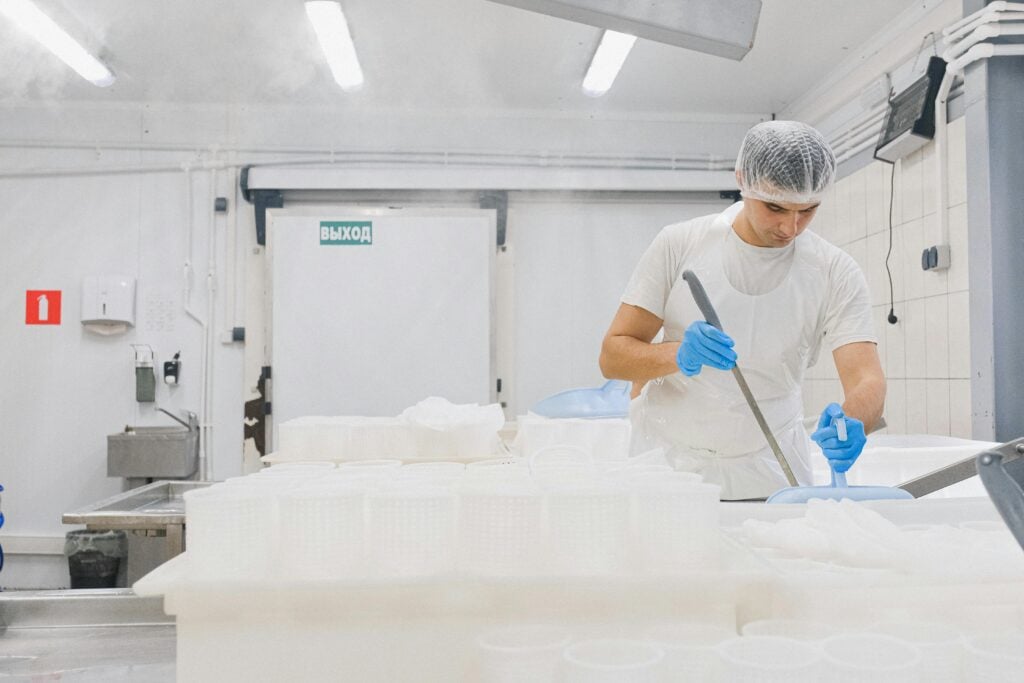
Maintaining a clean and compliant food processing environment is essential for ensuring food safety and meeting regulatory standards. Proper food plant sanitation services play a critical role in reducing contamination risks and safeguarding consumer health. In this post, we explore effective sanitation strategies, compliance requirements, and the latest industry practices to enhance your food processing facility’s safety and efficiency.
Understanding Food Plant Sanitation
What Is Food Plant Sanitation?
Food plant sanitation involves systematic cleaning, disinfecting, and sanitizing of processing equipment and facility surfaces to eradicate pathogens and prevent cross-contamination. This process must adhere to strict industry standards to meet regulatory guidelines such as those set by the Fayette Contract Sanitation Services.
The Importance of Proper Sanitation
- Reduces microbial contamination
- Meets HACCP compliance
- Prevents foodborne illnesses
- Maintains product quality
Key Components of an Effective Sanitation Program
Cleaning and Sanitizing Procedures
Implementing proper cleaning and sanitizing steps is vital. These include:
- Pre-cleaning: Removal of dirt and debris
- Cleaning: Use of appropriate detergents to break down grease and soil
- Rinsing: Removing residues from surfaces
- Sanitizing: Applying sanitizers to reduce microbial load to safe levels
Adherence to HACCP Standards
A HACCP system (Hazard Analysis and Critical Control Points) is essential in identifying critical points where contamination may occur. Proper implementation ensures compliance and enhances food safety management.
Choosing Effective Cleaning Agents and Equipment
Select cleaning agents approved for food industry use and utilize equipment designed for high standards of hygiene, such as wet cleaning systems and specialized sanitation tools.
Compliance and Industry Regulations
Regulatory Guidelines
Food processing plants must comply with regulations from agencies like the FDA and USDA. Regular audits, documentation, and employee training are instrumental in maintaining compliance.
Training and Personnel Hygiene
Personnel should be well-trained in sanitation procedures and hygiene practices, including proper use of protective gear and understanding of microbiology principles behind sanitation.
Implementing Practical Sanitation Strategies
Schedule and Frequency
Establish a cleaning schedule aligned with production cycles and subject to routine inspections to ensure ongoing compliance.
Use of Sanitation Service Providers
Partnering with reputable companies like Fayette Contract Sanitation Services, Janiking, or Hydrite ensures access to industry expertise, advanced cleaning solutions, and compliance support.
Sanitation Service Providers
Conclusion
Maintaining high standards of food processing plant cleaning and strict compliance with sanitation regulations are essential for ensuring food safety and protecting brand reputation. By integrating effective sanitation practices, leveraging industry expertise, and staying updated with regulatory changes, food manufacturers can achieve optimal safety and operational excellence. Invest in reliable sanitation services and develop a culture of quality and safety to thrive in today’s competitive food industry.