Introduction
In the highly regulated and safety-critical food processing industry, maintaining impeccable sanitation standards is essential. Industrial sanitation combined with specialized cleaning techniques in food plants not only safeguards public health but also ensures compliance with strict food safety regulations.
Understanding the Importance of Industrial Sanitation
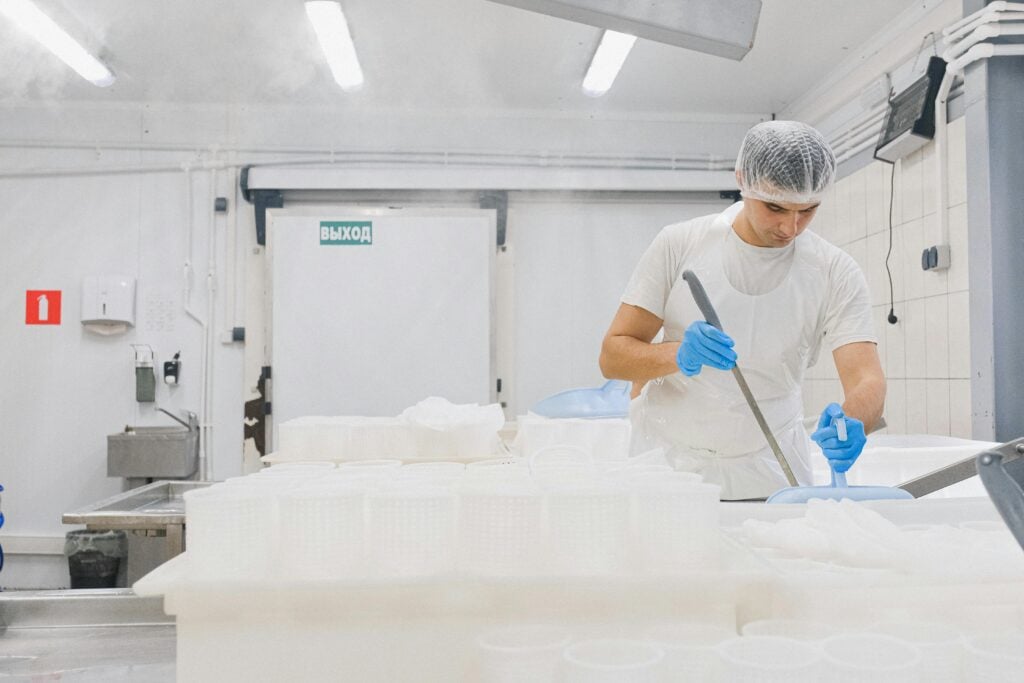
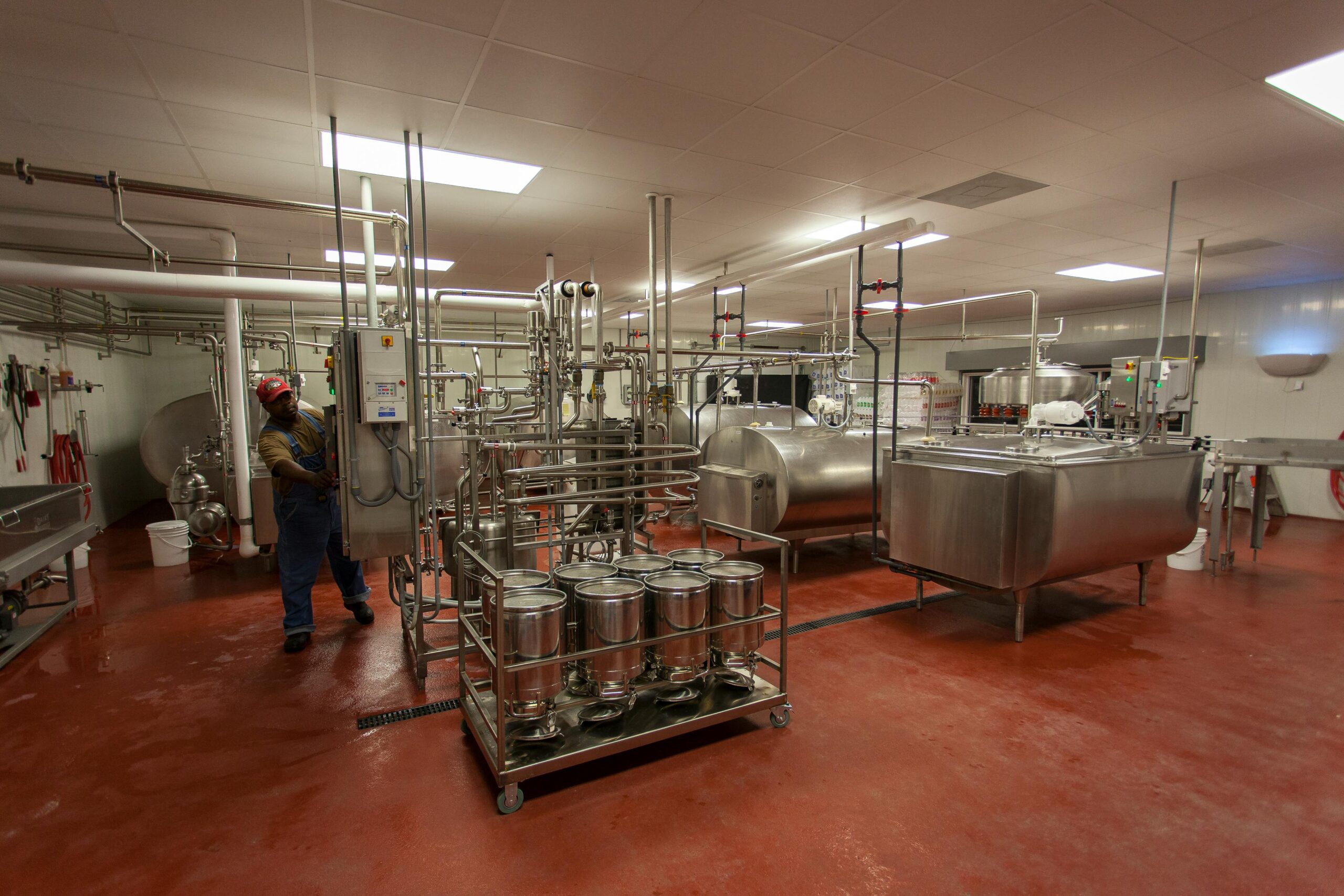
Industrial sanitation encompasses the processes and practices used to keep food processing facilities clean and hygienic. Proper sanitation reduces the risk of microbial contamination, cross-contamination, and maintains product integrity.
Key Elements of Effective Sanitation
- Routine Cleaning: Regular removal of dirt, debris, and food residues using wet cleaning methods.
- Disinfection: Application of disinfectants to eliminate pathogens. Understanding the difference between cleaning and sanitizing is crucial for effective hygiene.
- Validation and Monitoring: Continuous oversight ensures sanitation practices meet HACCP and FDA standards.
Food Plant Cleaning Best Practices
Effective cleaning in food processing environments involves several critical steps:
Cleaning Procedures
- Use FDA-approved cleaning agents suited for food contact surfaces.
- Adopt scheduled cleaning routines to prevent buildup of residues.
- Employ specialized equipment, such as foam or steam cleaning, for difficult areas.
Sanitization Processes
- Apply appropriate disinfectants that are compatible with food processing environments.
- Make sure disinfectants are applied at the correct concentration and contact time.
- Maintain documentation for audits and compliance.
Compliance and Regulatory Requirements
Adhering to standards such as HACCP is vital. These programs outline critical control points (CCPs) in sanitation to control hazards effectively. Regular audits, employee training, and validation of cleaning processes are integral to compliance.
Choosing a Sanitation Service Provider
Partnering with experienced sanitation providers can simplify compliance and improve sanitation outcomes:
- Fayette Contract Sanitation Services: Offers tailored solutions for food industry sanitation needs.
- Janiking: Known for industrial cleaning and sanitation expertise.
- Hydrite: Provides food-grade disinfectants plus sanitation services.
Conclusion
Efficient industrial sanitation and food plant cleaning are fundamental in preventing contamination, ensuring regulatory compliance, and ultimately delivering safe food products to consumers. Implementing best practices and partnering with skilled sanitation providers guarantees high standards of hygiene in food processing facilities.