Introduction to Food Plant Sanitation and Industry Compliance
Maintaining impeccable sanitation standards in food processing facilities is critical for ensuring food safety, regulatory compliance, and operational efficiency. This post explores essential strategies for effective food plant sanitation and how adherence to industry standards can prevent contamination and boost consumer confidence.
The Importance of Food Plant Sanitation
Proper sanitation in food processing environments is vital to:
- Preventing microbial contamination
- Extending equipment lifespan
- Meeting regulatory standards such as HACCP (Hazard Analysis and Critical Control Points)
- Ensuring consumer safety and brand integrity
Key Components of Effective Food Plant Sanitation
Routine Cleaning and Disinfection
Implementing a strict cleaning and disinfecting schedule is the foundation of sanitation. Use approved sanitizers and cleaning agents suitable for food contact surfaces, following manufacturer instructions to avoid chemical residue and cross-contamination.
Wet Cleaning Methods
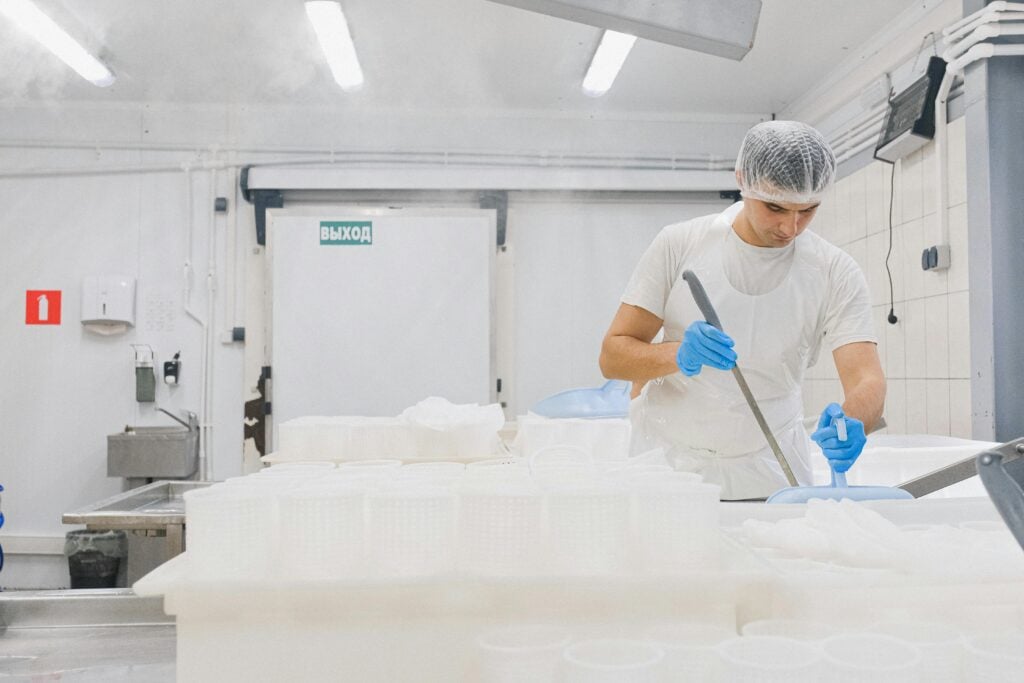
Wet cleaning techniques, including steam cleaning and rinsing, efficiently remove debris and microbial load, especially in hard-to-reach areas. Consistent wet cleaning contributes significantly to compliance with food sanitation companies standards.
Staff Training and Monitoring
Employee training ensures proper sanitation procedures are followed. Regular audits and environmental testing help monitor effectiveness and identify areas for improvement.
Regulatory Compliance and Industry Standards
Compliance with standards like HACCP is mandatory for food processing facilities. HACCP systems focus on:
- Identifying potential hazards
- Implementing control measures
- Maintaining documentation for audits
Understanding the differences between cleaning, sanitizing, disinfecting, and sterilization is essential to develop effective sanitation protocols. For example, sanitization reduces microbial presence to safe levels, while disinfection aims to destroy specific pathogens.
Choosing the Right Contract Sanitation Services
Partnering with reputable sanitation companies can enhance your facility’s sanitation program. Reputable firms such as Fayette Contract Sanitation Services, Janiking, and GDI offer tailored cleaning solutions that meet regulatory and industry standards.
Implementing an Effective Food Safety Program
Integrate sanitation protocols with comprehensive food safety plans to mitigate risks. Regular training, documentation, and audits ensure continuous improvement and compliance adherence.
Sanitation Service Providers
Partnering with experienced providers ensures your facility maintains the highest sanitation standards, supporting your commitment to food safety and compliance.
Conclusion
Effective sanitation and rigorous compliance are non-negotiable in the food processing industry. By adopting best practices, utilizing advanced cleaning technologies, and partnering with trusted sanitation providers, your facility can uphold food safety standards, pass audits with confidence, and protect brand reputation.
Stay ahead of the curve by continuously updating sanitation protocols in line with evolving regulations and technological advancements.