Understanding the Importance of Food Processing Plant Sanitation
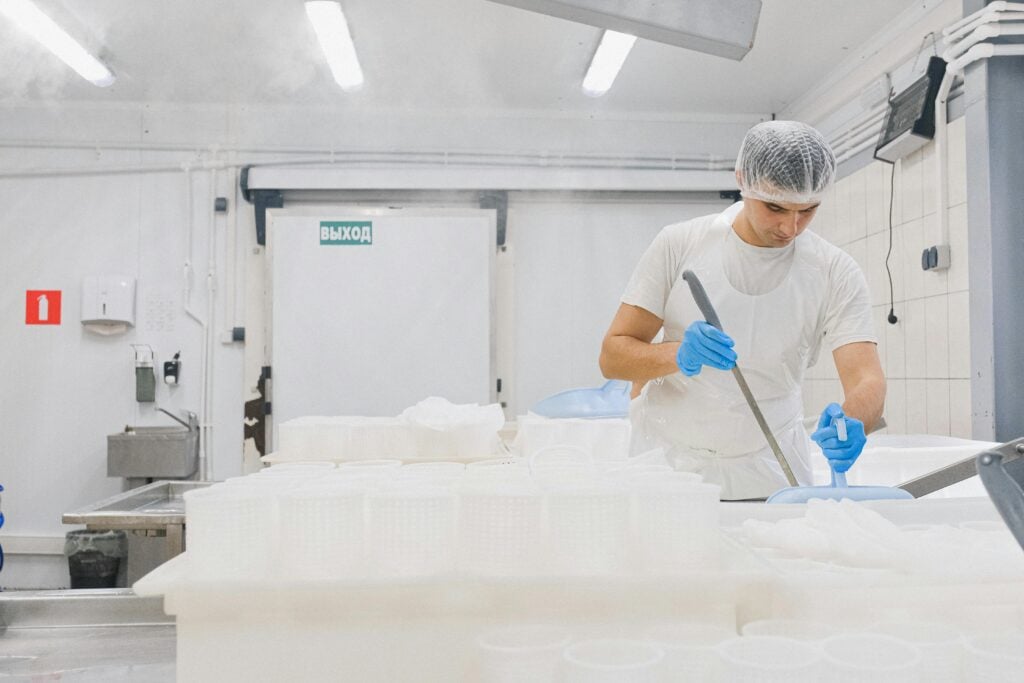
Maintaining impeccable sanitation standards in food processing plants is crucial for ensuring food safety and regulatory compliance. Proper sanitation not only helps in preventing contamination but also extends the shelf life of products and safeguards consumer health.
Key Components of Effective Food Plant Sanitation
1. Consistent Cleaning Protocols
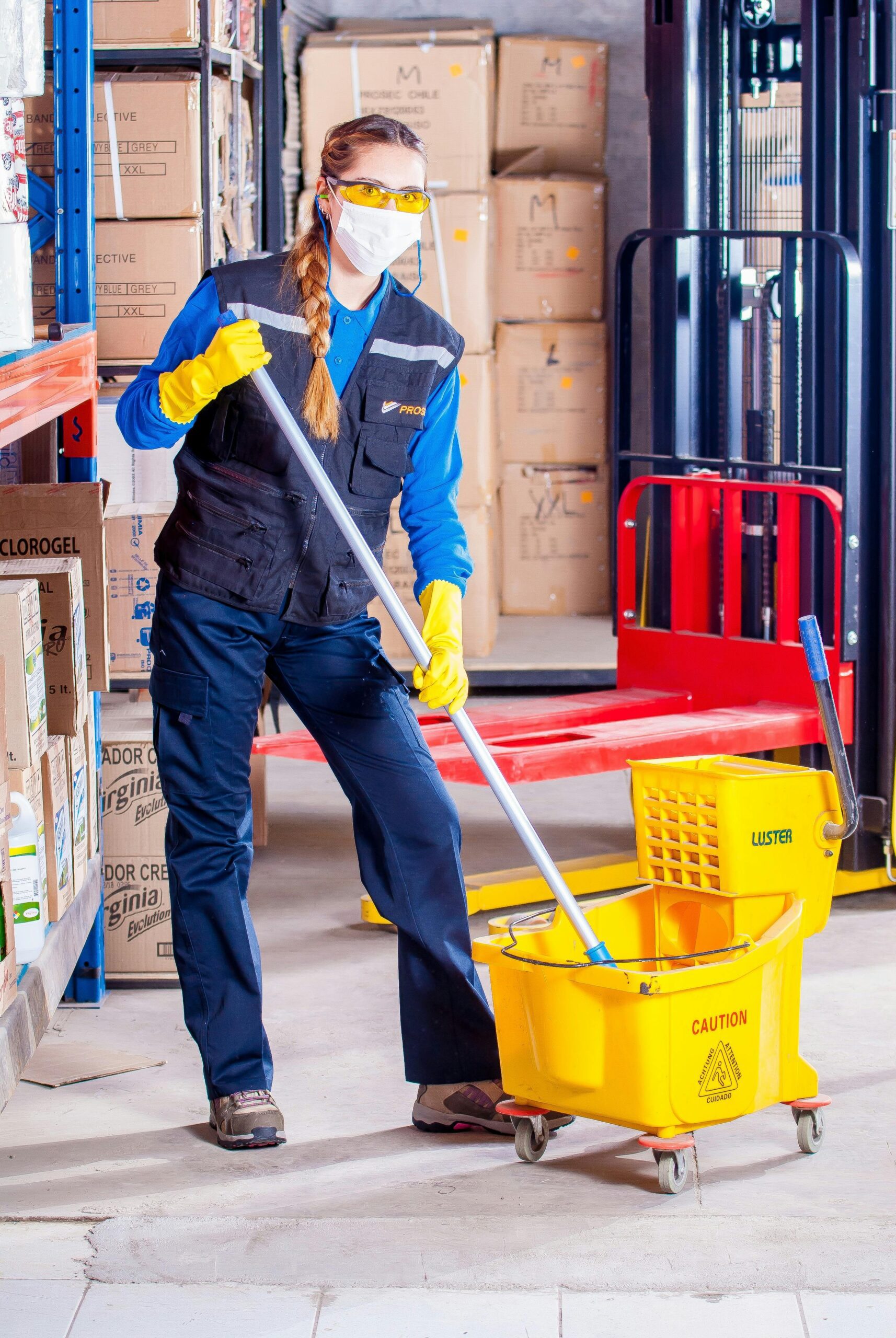
- Utilize specialized industrial sanitation equipment for thorough cleaning of machinery and surfaces.
- Implement wet cleaning methods to effectively remove debris and residual food particles.
2. Proper Use of Sanitizers
- Incorporate sanitization processes that conform with HACCP (Hazard Analysis Critical Control Point) systems.
- Choose sanitizers approved for food contact surfaces, such as those provided by companies like GDI or Ecolab.
3. Staff Training and Food Safety Protocols
Regular training on sanitation best practices ensures that staff understands the importance of hygiene and follows established procedures properly.
Technological Advances in Food Plant Sanitation
Automated Cleaning Systems
Modern processing plants are adopting automation for sanitization to increase efficiency and consistency, reducing the risk of human error.
Real-Time Monitoring
Advanced monitoring systems help verify sanitation efficacy instantaneously, facilitating quick corrective actions when necessary.
Choosing the Right Contract Sanitation Partner
Partnering with experienced sanitation service providers can significantly improve your plant’s hygiene standards. Consider companies like Fayette Contract Sanitation Services or Jan-Pro for reliable solutions tailored to food processing facilities.
Regulatory Compliance and Food Safety
Ensuring adherence to local and international standards—such as FDA regulations and HACCP plans—is vital. Regular audits and documentation reinforce your plant’s commitment to safety and quality.
Conclusion
Optimizing sanitation in food processing plants requires a strategic approach that combines proper cleaning procedures, innovative technology, staff training, and partnerships with trusted sanitation providers. By prioritizing these elements, food producers can maintain high safety standards and meet regulatory expectations effectively.
Learn more about Fayette Contract Sanitation Services and other reputable sanitation companies to identify the best fit for your facility’s needs.