Understanding the Importance of Industrial Food Plant Sanitation
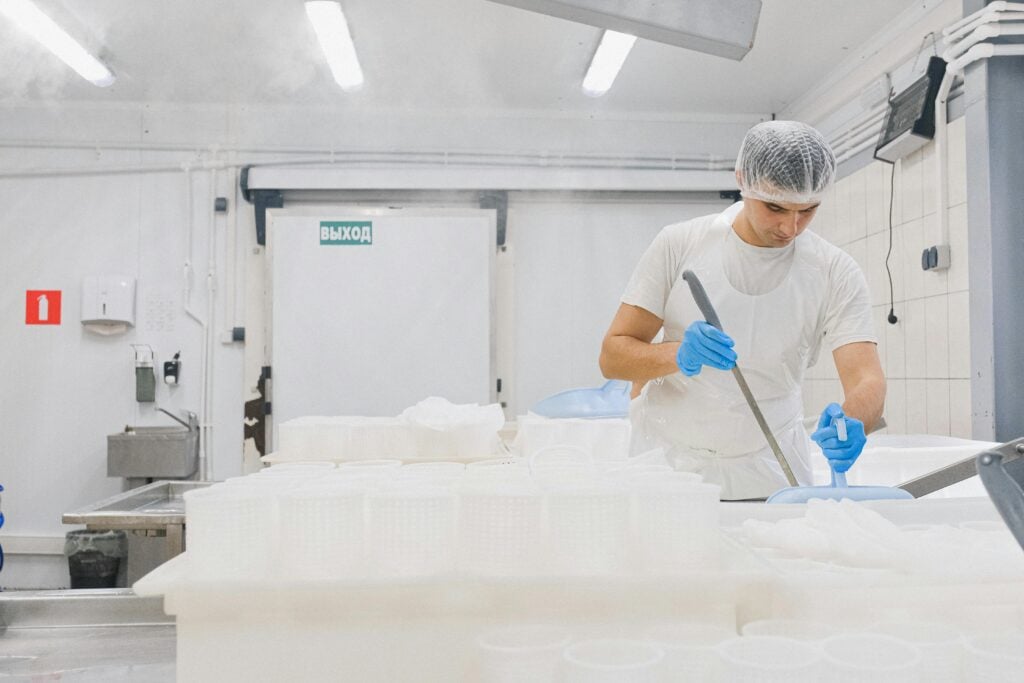
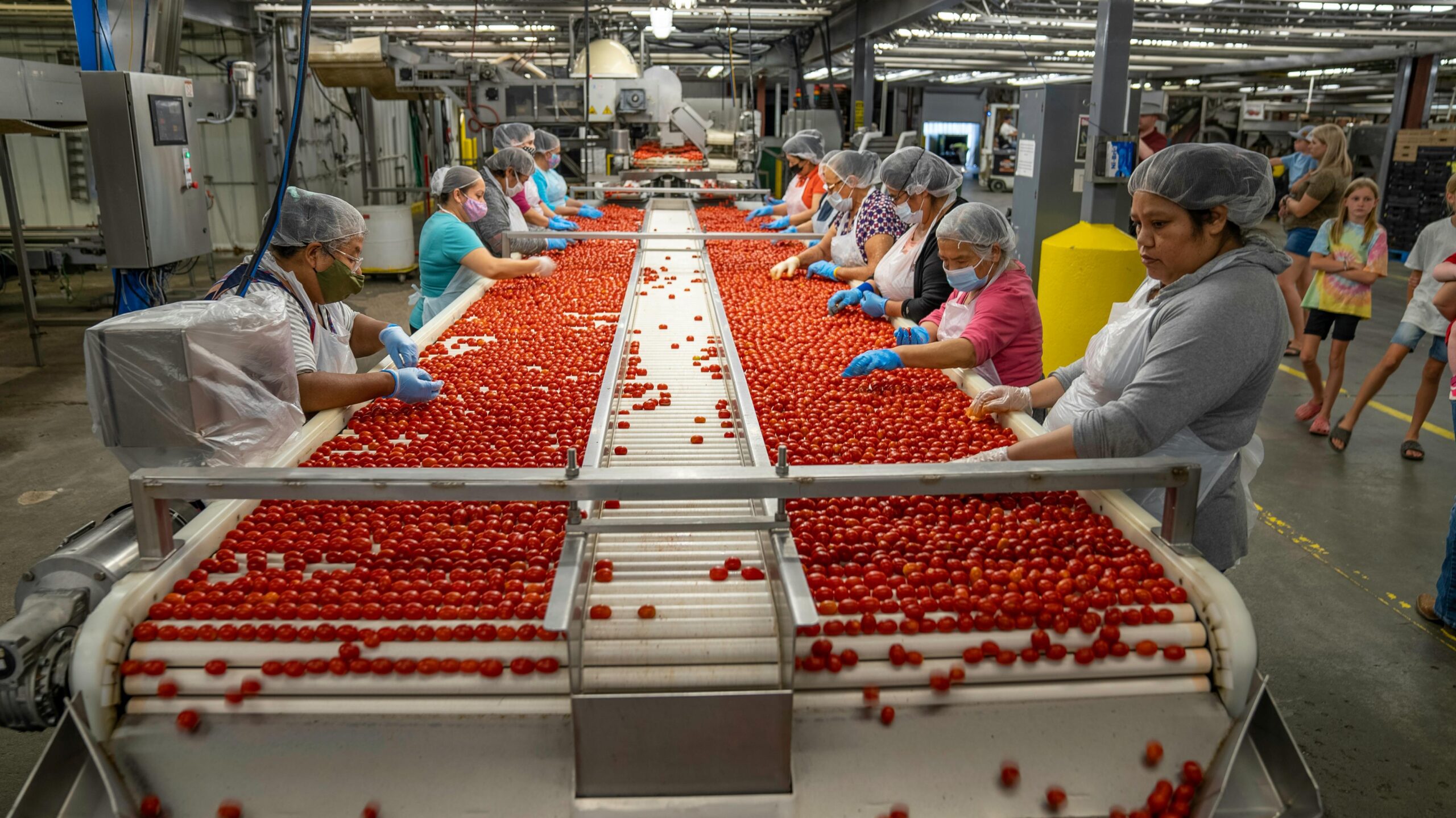
Maintaining a clean and sanitized environment in food processing facilities is essential for food safety, regulatory compliance, and overall product quality. Industrial sanitation encompasses a range of practices designed to eliminate contamination, control bacteria, and ensure that food products meet the highest hygiene standards.
Key Elements of Effective Food Plant Sanitation
Routine Cleaning Procedures
Routine cleaning involves removing visible dirt, debris, and residues from equipment and surfaces. Implementing wet cleaning techniques, including high-pressure rinses and specialized cleaning agents, is critical in food industry settings.
Disinfection and Sanitization
Post-cleaning, disinfection reduces microbial presence, preventing cross-contamination. Selecting appropriate disinfectants and ensuring proper contact times are vital. Consulting resources like Ecolab can guide the effective application of disinfectants.
HACCP in Food Industry Sanitation
Implementing a Hazard Analysis and Critical Control Points (HACCP) plan helps identify potential risks and establish critical limits for sanitation procedures. HACCP compliance is a vital component of food safety management, helping facilities avoid contamination and ensure regulatory adherence.
Professional Sanitation Service Providers
Engaging reputable sanitation service providers like Fayette Contract Sanitation Services can optimize cleaning workflows, ensure proper sanitation levels, and reduce operational risks. Other reliable providers include Janiking and Jan-Pro. These companies deliver tailored solutions designed to meet stringent food industry sanitation standards.
Best Practices and Tips for Food Plant Sanitation
- Develop detailed cleaning schedules aligned with food safety regulations.
- Use food-grade cleaning and disinfecting agents approved for industrial use.
- Train staff regularly on sanitation protocols and safety procedures.
- Conduct frequent audits and inspections to verify sanitation effectiveness.
- Maintain proper documentation to demonstrate compliance and facilitate audits.
Conclusion
Effective sanitation in food processing plants is a cornerstone of food safety and regulatory compliance. By employing best practices, utilizing advanced cleaning technologies, and partnering with experienced sanitation providers, food industry facilities can uphold high hygiene standards and protect consumer health.