Introduction to Industrial Cleaning and Sanitation in Food Processing
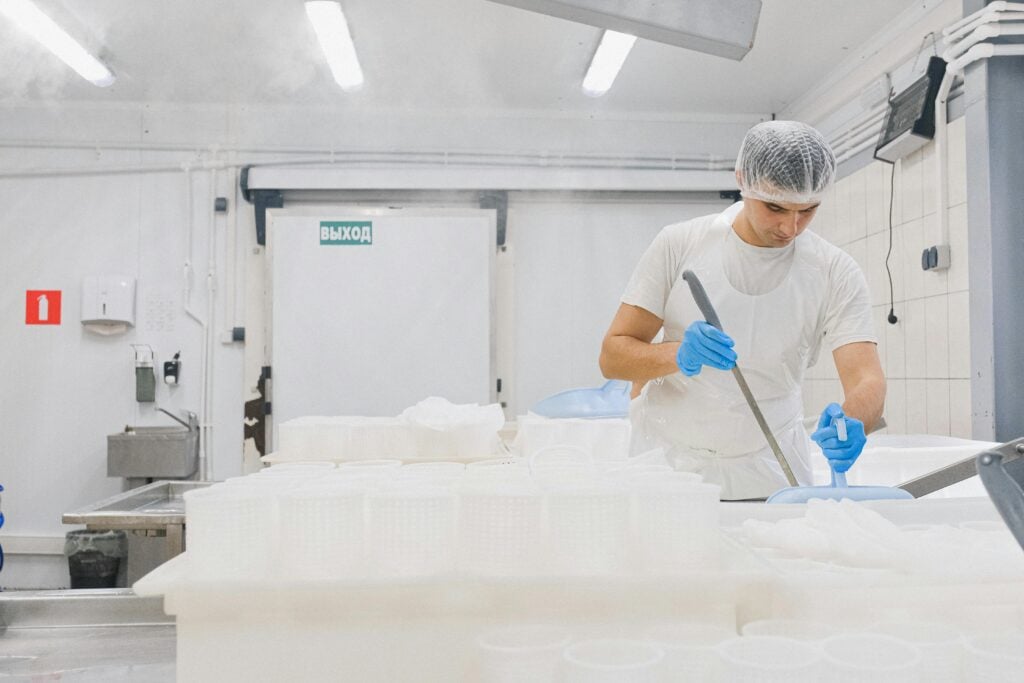
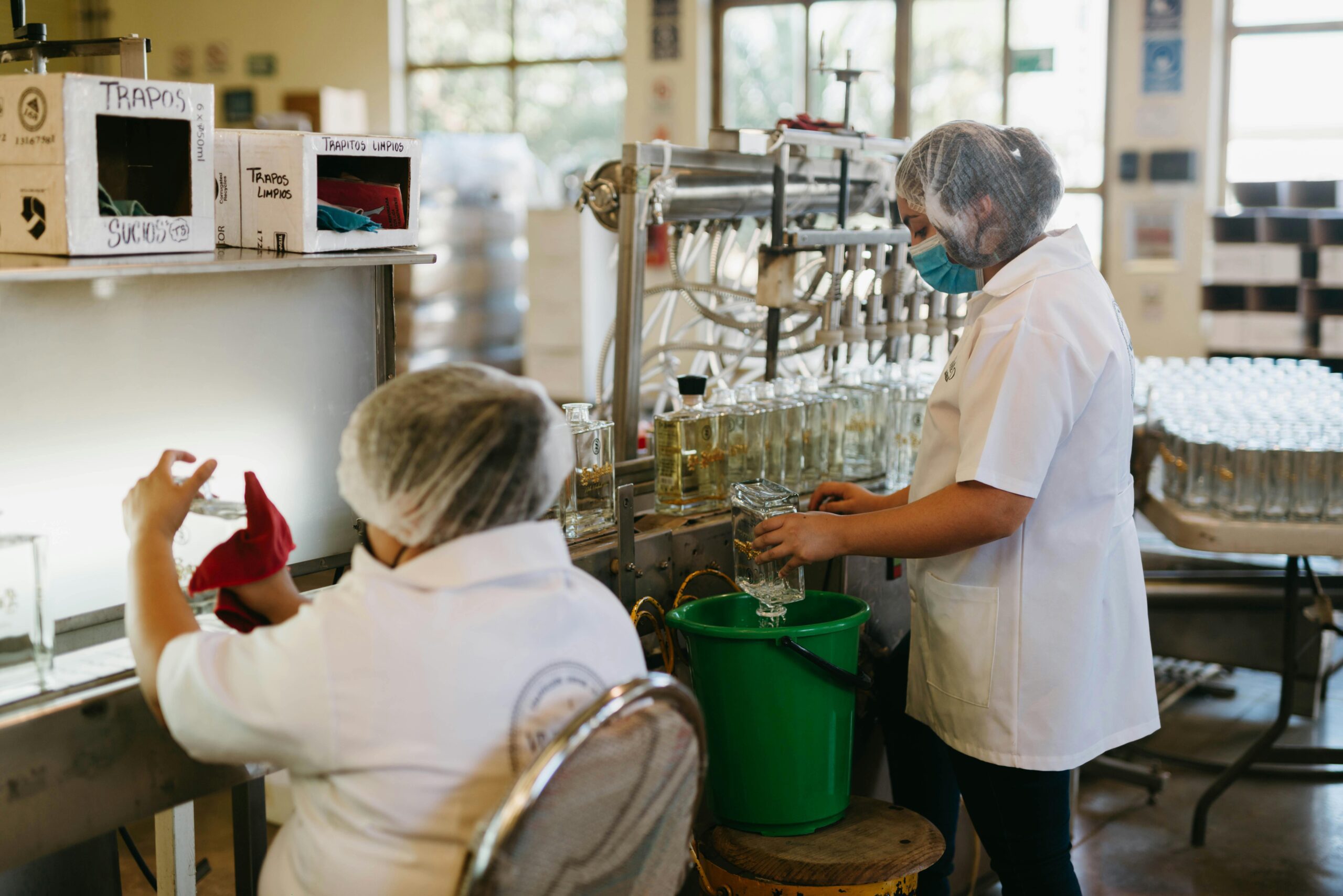
Maintaining rigorous cleaning and sanitation standards is vital for food processing plants to ensure food safety and meet regulatory compliance. Efficient sanitation practices not only prevent contamination but also optimize operations and uphold brand integrity. This article explores effective strategies for industrial cleaning and sanitation, emphasizing their role in elevating food safety standards.
Critical Elements of Industrial Sanitation
Understanding the Difference: Cleaning vs. Sanitizing
In food processing environments, it is essential to distinguish between cleaning and sanitizing. Cleaning involves removing dirt, organic matter, and debris, while sanitizing reduces microbial load to safe levels. Proper procedures often include both steps to guarantee sanitary conditions.
Key Methods of Industrial Sanitation
- Wet Cleaning: Utilizes water and detergents to remove residues effectively.
- Dry Cleaning: Uses brushes or vacuums for initial debris removal.
- High-Pressure Steam: Kills bacteria and germs on surfaces.
- Chemical Sanitizers: Application of approved disinfectants ensures microbial control.
Implementing Effective Sanitation Programs
Developing a HACCP System
Hazard Analysis and Critical Control Points (HACCP) is fundamental in identifying and controlling microbial risks. A well-structured HACCP plan integrates cleaning and sanitizing protocols tailored to specific processes and equipment.
Best Practices for Food Processing Plant Cleaning
- Schedule regular cleaning cycles, especially after production shifts.
- Use food-grade cleaning agents that meet regulatory standards.
- Ensure thorough rinsing to remove chemical residues.
- Train staff in proper sanitation procedures and hygiene practices.
Monitoring and Verification
Regular microbial testing and equipment inspections verify the effectiveness of sanitation efforts. Maintaining detailed records is essential for compliance audits.
Choosing the Right Sanitation Service Provider
Partnering with experienced contract sanitation companies ensures consistent results. Reputable providers incorporate advanced technologies, customized cleaning plans, and staff training to uphold food safety standards.
Top Recommended Sanitation Providers
These companies are recognized for their dedication to quality, innovation, and compliance in the food processing industry.
Conclusion
Implementing robust industrial cleaning and sanitation routines is paramount for food processing facilities aiming to achieve food safety and regulatory compliance. Regular training, technological integration, and strategic planning facilitate a sanitary environment that protects consumers and enhances operational efficiency.