Industrial and Food Plant Sanitation: Best Practices for Food Safety and Compliance
Maintaining high standards of sanitation in industrial and food processing facilities is crucial for ensuring food safety, regulatory compliance, and operational efficiency. Proper sanitation practices help prevent contamination, improve product quality, and meet strict industry standards such as HACCP (Hazard Analysis and Critical Control Points).
Understanding the Importance of Industrial and Food Plant Sanitation
Cleaning and sanitizing are essential components of food safety management systems. They not only eliminate dirt, debris, and microbes but also help control pathogenic bacteria that can compromise food products. According to Fayette Contract Sanitation Services, effective sanitation reduces the risk of cross-contamination and ensures compliance with food industry regulations.
Key Sanitation Practices for Food Processing Plants
1. Regular and Systematic Cleaning
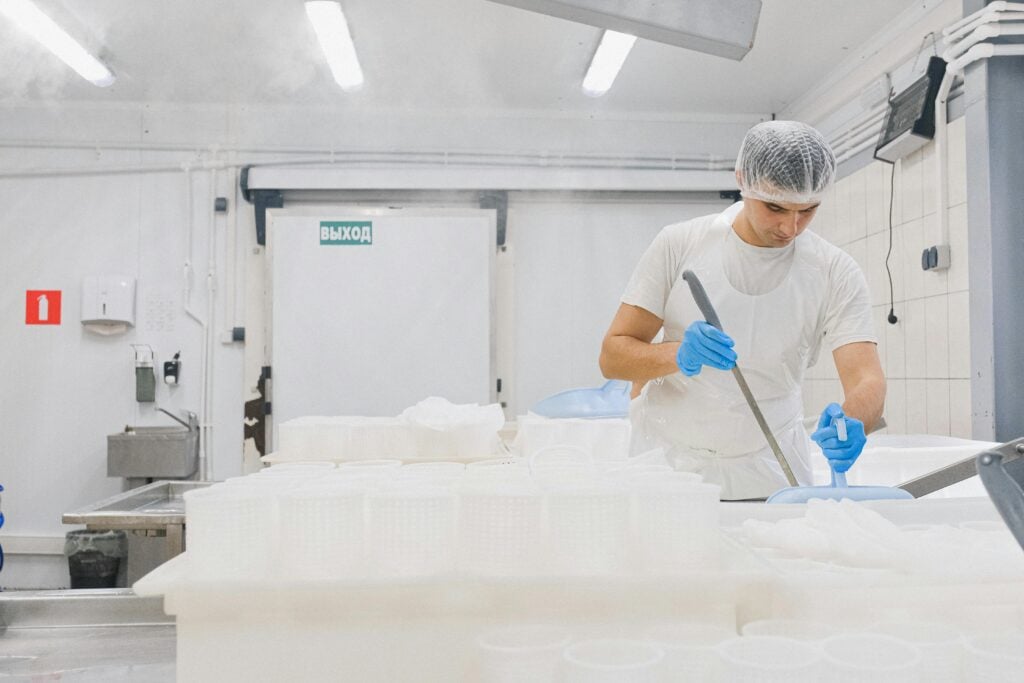
- Carry out routine cleaning of equipment, floors, walls, and surfaces using wet cleaning methods.
- Utilize advanced cleaning equipment and cleaning agents suitable for food environments.
- Implement a cleaning schedule based on production cycles and risk areas.
2. Effective Sanitization Protocols
- Follow proper disinfection procedures to reduce microbial load significantly.
- Use approved sanitizers and disinfectants aligned with industry standards.
- Ensure thorough contact time and proper rinsing to maximize effectiveness.
3. Training and Certification
- Train sanitation staff on correct cleaning and sanitizing techniques.
- Maintain certifications in food safety standards such as HACCP.
- Conduct regular audits and validation of sanitation practices.
Implementing HACCP in Sanitation Programs
The HACCP system is fundamental for managing risks associated with food safety. It involves:
- Identifying critical control points where contamination could occur.
- Establishing control measures, including sanitation protocols.
- Monitoring and documenting sanitation procedures to ensure compliance.
Choosing the Right Sanitation Service Partner
Partnering with experienced sanitation companies such as Fayette Contract Sanitation Services, Janiking, or GDI ensures expert sanitation management tailored to the unique needs of your facility. These companies provide:
- Comprehensive cleaning and sanitization services
- Compliance with industry standards
- Customized sanitation solutions for various facility types
Conclusion
High-quality sanitation in industrial and food processing environments is a critical component of food safety excellence. Through systematic cleaning, effective sanitization, staff training, and partnering with reputable sanitation providers like Fayette Sanitation, your facility can maintain the highest standards of safety, quality, and compliance.