Understanding Food Plant Sanitation and Its Role in Food Safety
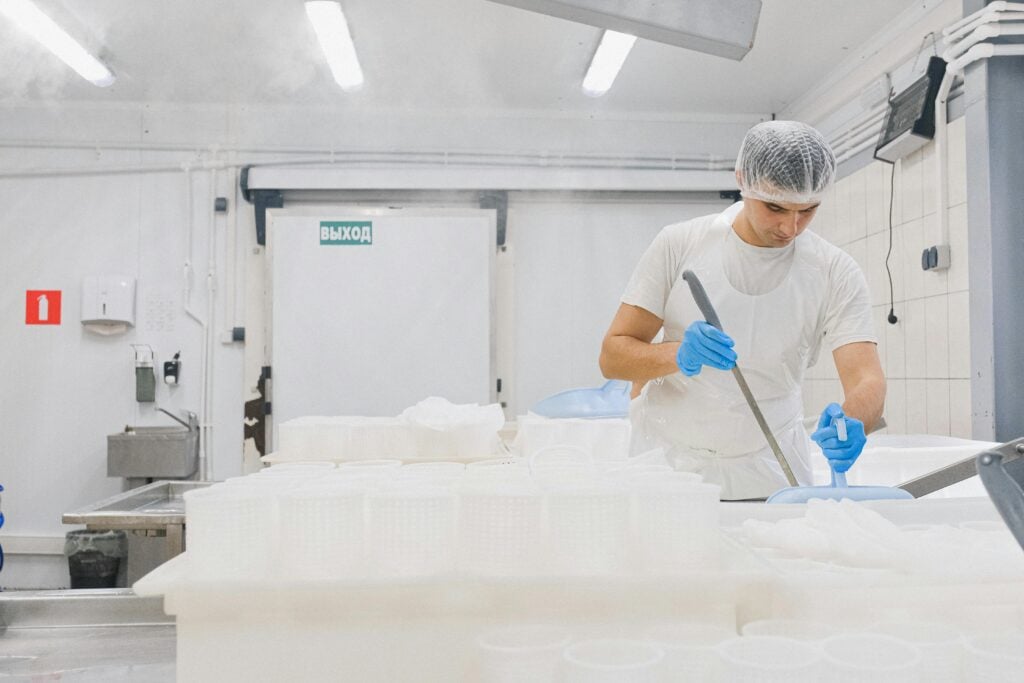
Maintaining a sanitized environment within food processing facilities is essential for complying with food safety standards and preventing contamination. Proper sanitation not only ensures the health and safety of consumers but also protects the reputation of your business.
Key Components of Food Plant Sanitation
Routine Cleaning Procedures
- Effective removal of dirt, debris, and residues from surfaces.
- Use of approved cleaning agents suitable for food contact equipment.
- Regular scheduling to prevent build-up and microbial growth.
Disinfection and Sanitization Practices
- Application of disinfectants that are compliant with FDA and EPA regulations.
- Proper contact time to kill bacteria, viruses, and fungi.
- Training staff for proper sanitation techniques.
Implementing HACCP in Food Processing Plants
The HACCP system is critical in identifying hazards and implementing controls during the manufacturing process. Regular sanitation audits are a fundamental part of HACCP compliance, ensuring that hygiene standards are maintained at all critical points.
Choosing the Right Sanitation Partner
Partnering with professional sanitation services can significantly improve your plant’s cleanliness and regulatory compliance. Companies like Fayette Contract Sanitation Services, Janiking, and Hydrite offer industry-specific solutions tailored for food processing facilities.
Technology and Innovations in Food Industry Sanitation
Advances such as automated cleaning systems, eco-friendly disinfectants, and real-time monitoring tools assist in achieving better sanitation outcomes while minimizing downtime and environmental impact.
Conclusion: Prioritizing Food Safety Through Effective Sanitation
Consistent and thorough sanitation practices are the backbone of food safety compliance. Investing in the right tools, training, and partnerships will help ensure your facility remains compliant and safe.