Introduction to Food Plant Sanitation and Its Role in Food Safety
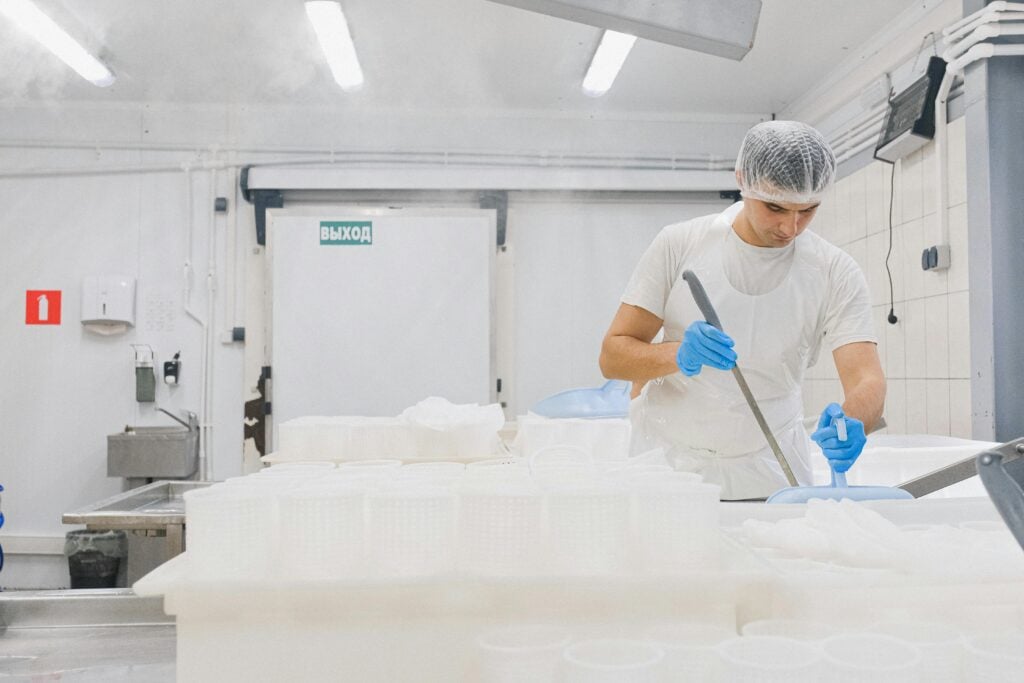
Maintaining impeccable sanitation standards in food processing facilities is crucial for ensuring food safety and complying with regulatory requirements. Proper cleaning and sanitation not only prevent cross-contamination but also extend the shelf life of food products. This article explores effective cleaning strategies and sanitation practices tailored for food processing plants.
Understanding Food Plant Sanitation
What is Food Plant Sanitation?
Food plant sanitation involves a systematic approach to cleaning and disinfecting all areas of a food processing facility. Its goal is to eliminate dirt, bacteria, and other pathogens that could compromise food safety. Fayette Contract Sanitation Services offers specialized solutions to meet these rigorous standards.
Key Components of Effective Sanitation
- Regular removal of debris and food residues
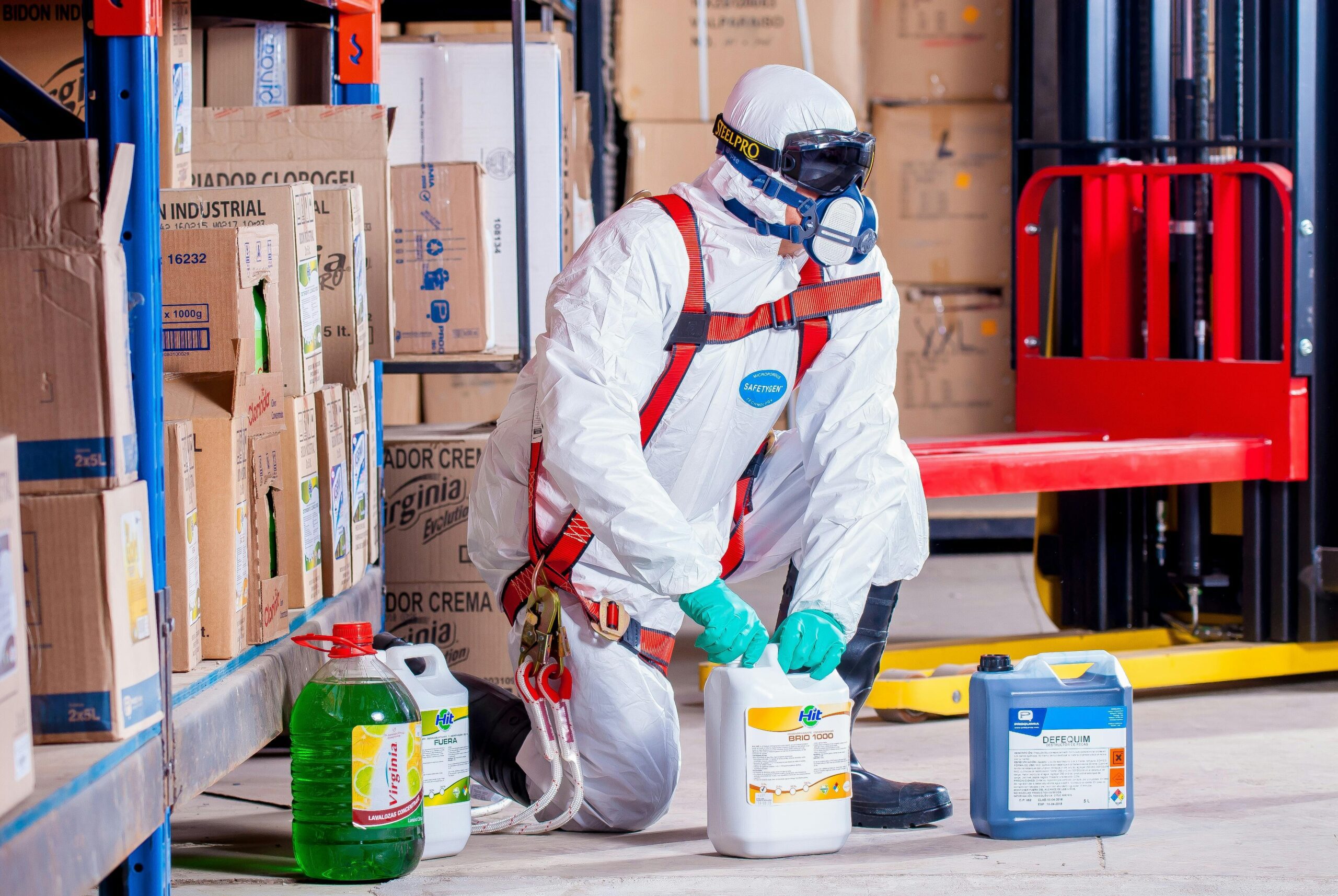
- Use of approved sanitizers and disinfectants
- Monitoring microbial levels
- Documentation for regulatory compliance
Cleaning vs. Sanitizing in Food Processing
Cleaning
Cleaning is the physical removal of dirt, food residues, and grease from surfaces. It typically involves water, detergents, and mechanical action.
Sanitizing
Sanitizing reduces microbial contamination to safe levels, usually through chemical disinfectants or heat. Implementing both effectively is critical in food production environments.
Best Practices for Food Plant Cleaning
Routine Cleaning Schedules
Establishing daily, weekly, and monthly cleaning routines helps maintain hygienic conditions. Special attention should be paid to food contact surfaces, equipment, and drainages.
Use of Approved Cleaning Agents
Select cleaning agents compliant with FDA and USDA regulations, ensuring they are effective against a broad spectrum of microbes.
Training and Procedures
Consistent employee training on cleaning procedures and the proper use of disinfectants is essential to prevent contamination risks.
Sanitization Methods Employed in Food Facilities
Chemical Sanitizers
Common sanitizers include quaternary ammonium compounds, chlorine-based solutions, and iodine compounds. Proper contact time and concentration are vital for efficacy.
Heat Sanitization
High-temperature sanitization through steam or hot water can be particularly effective on equipment and surfaces.
Regulatory Compliance and Documentation
Adherence to HACCP food safety plans and regular microbial testing are crucial. Maintain detailed sanitation logs and audit records to demonstrate compliance.
Choosing the Right Sanitation Service Provider
Partnering with experienced contract sanitation companies ensures your facility meets all safety standards. Trusted providers like Janiking and Hydrite offer specialized solutions to fit your needs.
Sanitation Service Providers
Conclusion
Effective sanitation in food processing facilities is a fundamental component of food safety management systems. Investing in professional cleaning and sanitization services, understanding the distinction between cleaning and disinfection, and maintaining meticulous documentation will help ensure compliance and protect consumer health.
For tailored sanitation solutions, explore Fayette Contract Sanitation Services and other reputable providers to keep your facility safe, compliant, and efficient.