Introduction to Food Plant Sanitation and Compliance
Maintaining a high standard of sanitation in food processing facilities is critical for ensuring food safety, regulatory compliance, and operational efficiency. As the food industry faces increasing scrutiny and stricter regulations, understanding the essential components of food plant sanitation services and haccp compliance becomes more vital than ever.
Understanding Food Plant Sanitation Services
Why Sanitation Matters in Food Processing
- Prevents cross-contamination and growth of harmful bacteria
- Ensures compliance with FDA and USDA standards
- Protects brand reputation and consumer trust
Types of Sanitation Techniques Used
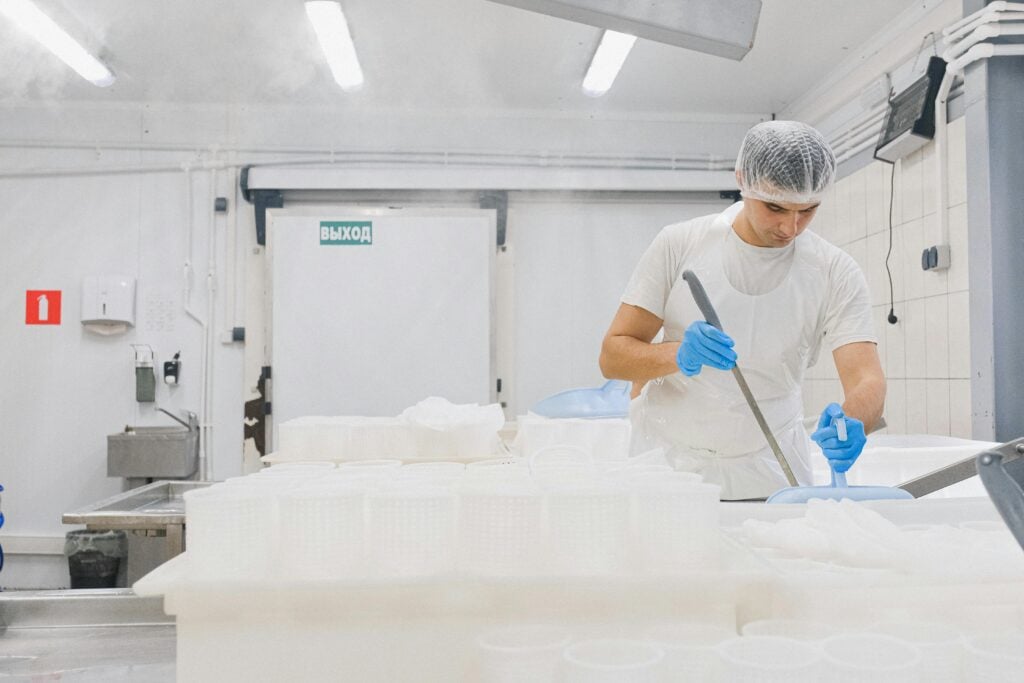
The cleaning processes in food processing plants often utilize methods such as wet cleaning and specialized chemical sanitizers to effectively eliminate soil and microbial presence. Techniques are selected based on the equipment and food products involved.
Key Regulations and HACCP Compliance
What is HACCP and Why Is It Important?
Hazard Analysis Critical Control Point (HACCP) is a systematic approach to identifying, evaluating, and controlling food safety hazards. Implementing HACCP plans helps facilities minimize risks associated with biological, chemical, and physical contaminants.
Steps to Achieve HACCP Compliance
- Conduct a thorough hazard analysis
- Identify critical control points (CCPs)
- Establish critical limits and monitoring procedures
- Implement corrective actions
- Maintain documentation and records
Best Practices for Maintaining Sanitation and Regulatory Standards
Regular Training and Oversight
Training staff in sanitation protocols and hygiene best practices is essential for consistent compliance and safety.
Cleaning and Sanitizing Procedures
Adopt detailed protocols, including cleaning schedules, use of approved sanitizers, and verification measures. Brands such as GDI and Ecolab offer innovative solutions tailored for the food industry.
Monitoring and Verification
Employ routine testing, microbial swabbing, and audit processes to ensure ongoing compliance. Regular inspections help identify gaps before regulatory authorities do.
Partnering with Sanitation Service Providers
Expert sanitation companies play a vital role in maintaining facility cleanliness and compliance. Examples include Fayette Contract Sanitation Services, Jan-Pro, and Hydrite. These providers offer comprehensive sanitation programs tailored for food processing environments, helping facilities meet strict regulatory standards efficiently.
Conclusion
High-quality food processing plant cleaning, rigorous sanitation protocols, and strict adherence to haccp system guidelines are fundamental to ensuring food safety and regulatory compliance. Engaging experienced sanitation service providers and investing in staff training and technology can significantly reduce risks and promote a safer food supply chain.