Introduction to Food Plant Sanitation
Maintaining cleanliness in food processing facilities is critical to ensuring food safety, preventing contamination, and complying with industry regulations. Effective food plant sanitation services not only protect consumers but also enhance operational efficiency.
The Importance of Sanitation in the Food Industry
Sanitation involves a series of cleaning and disinfecting processes designed to eliminate bacteria, viruses, and other pathogens. This is especially vital in food processing plants where contamination can lead to foodborne illnesses and product recalls.
Key Strategies for Effective Food Plant Sanitation
Standardized Cleaning Procedures
- Implement haccp (Hazard Analysis and Critical Control Points) protocols to identify critical areas and control points.
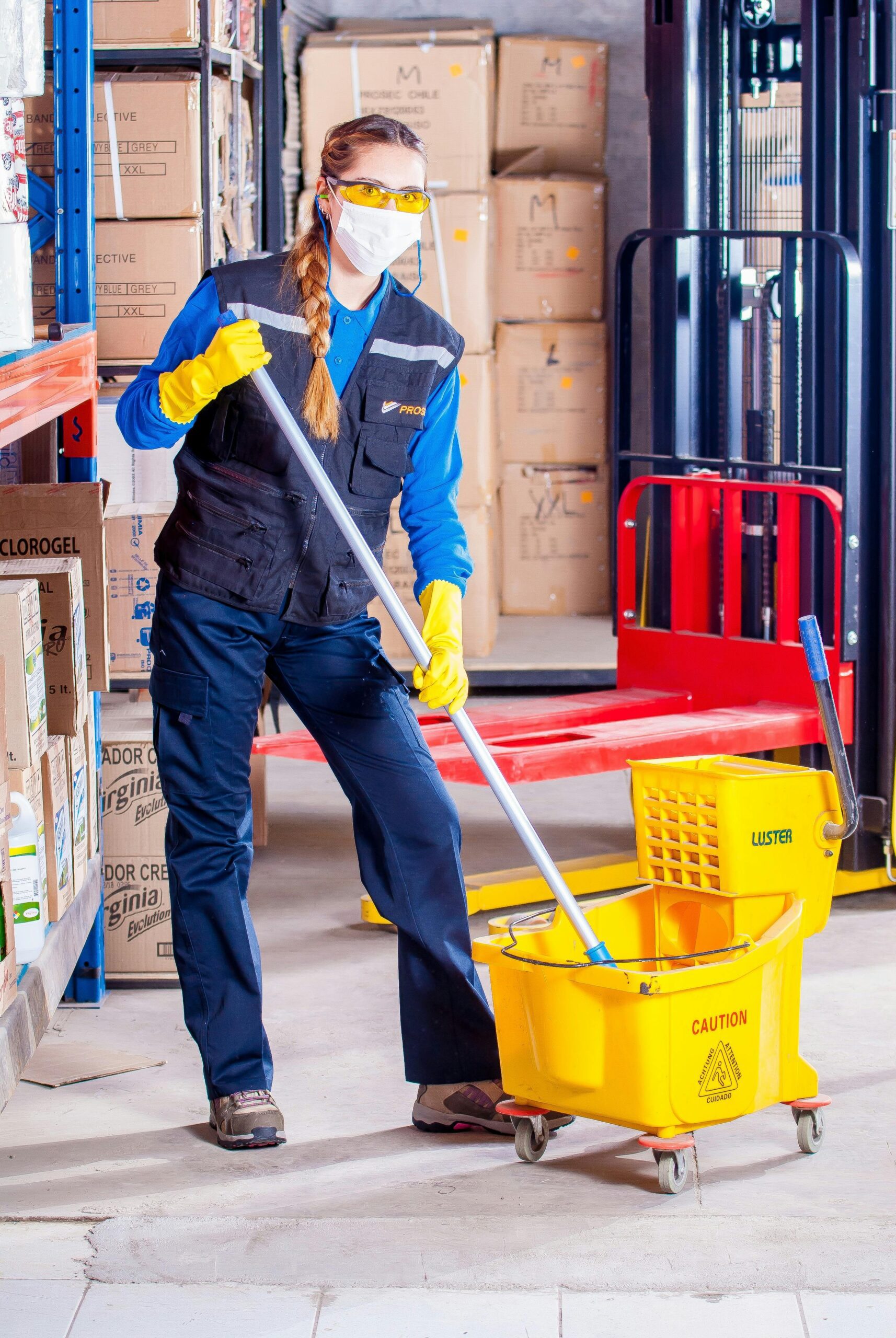
- Use wet cleaning techniques to thoroughly remove dirt and debris from equipment and surfaces.
- Develop detailed cleaning schedules tailored to different areas and equipment.
Use of Approved Sanitation Products
Choose sanitizers and disinfectants that are approved for food contact surfaces and compatible with your cleaning procedures. Properly diluted products ensure maximum efficacy.
Employee Training
Train personnel on proper sanitation practices, emphasizing the importance of personal hygiene and correct equipment cleaning techniques.
Regulatory Compliance and Food Safety Standards
Adhering to regulations such as the USDA Food Safety and Inspection Service and following guidelines from FDA or Local Agencies ensures that your sanitation processes meet industry standards and avoid penalties.
Innovations in Food Plant Sanitation
Automation and Technology
Modern technology, including automated cleaning systems and real-time monitoring, enhances sanitation efficiency and consistency. These innovations reduce human error and ensure thorough cleaning.
Environmental Sustainability
Utilizing environmentally friendly cleaning agents and water-saving techniques helps reduce environmental impact and operational costs.
Sanitation Service Providers
When selecting a sanitation partner, consider reputable companies such as Fayette Contract Sanitation Services, Janiking, and Hydrite. These providers offer tailored food sanitation solutions suited for various facility needs.
Conclusion
Effective sanitation in food processing plants is essential to ensure food safety, product integrity, and regulatory compliance. By adopting best practices, leveraging technology, and partnering with professional sanitation services, your facility can maintain the highest standards of cleanliness and safety.