Introduction to Food Plant Sanitation
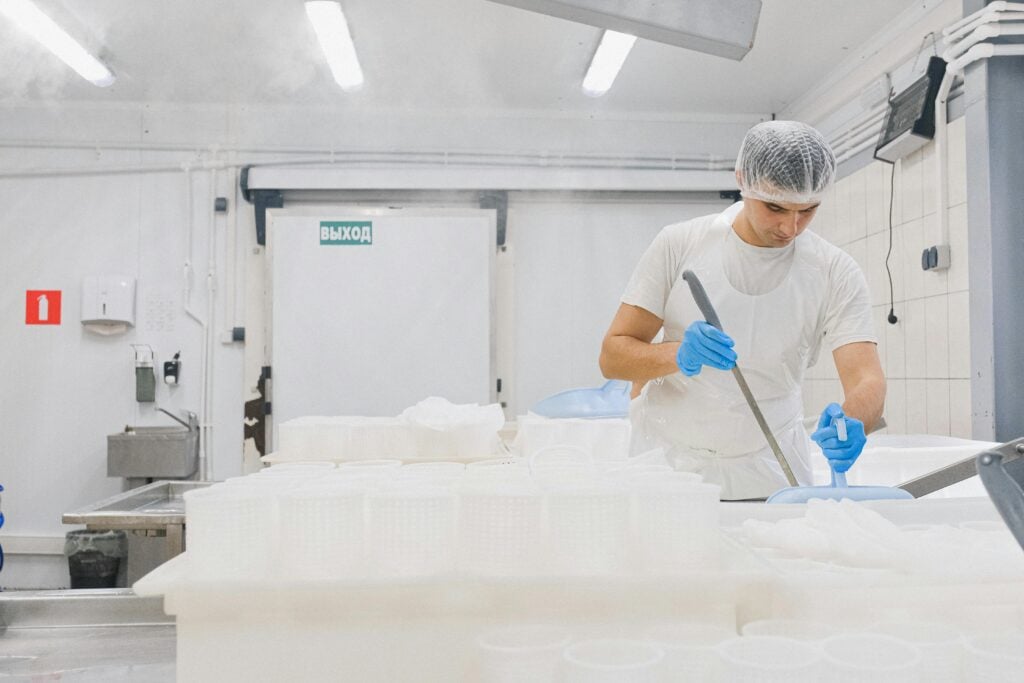
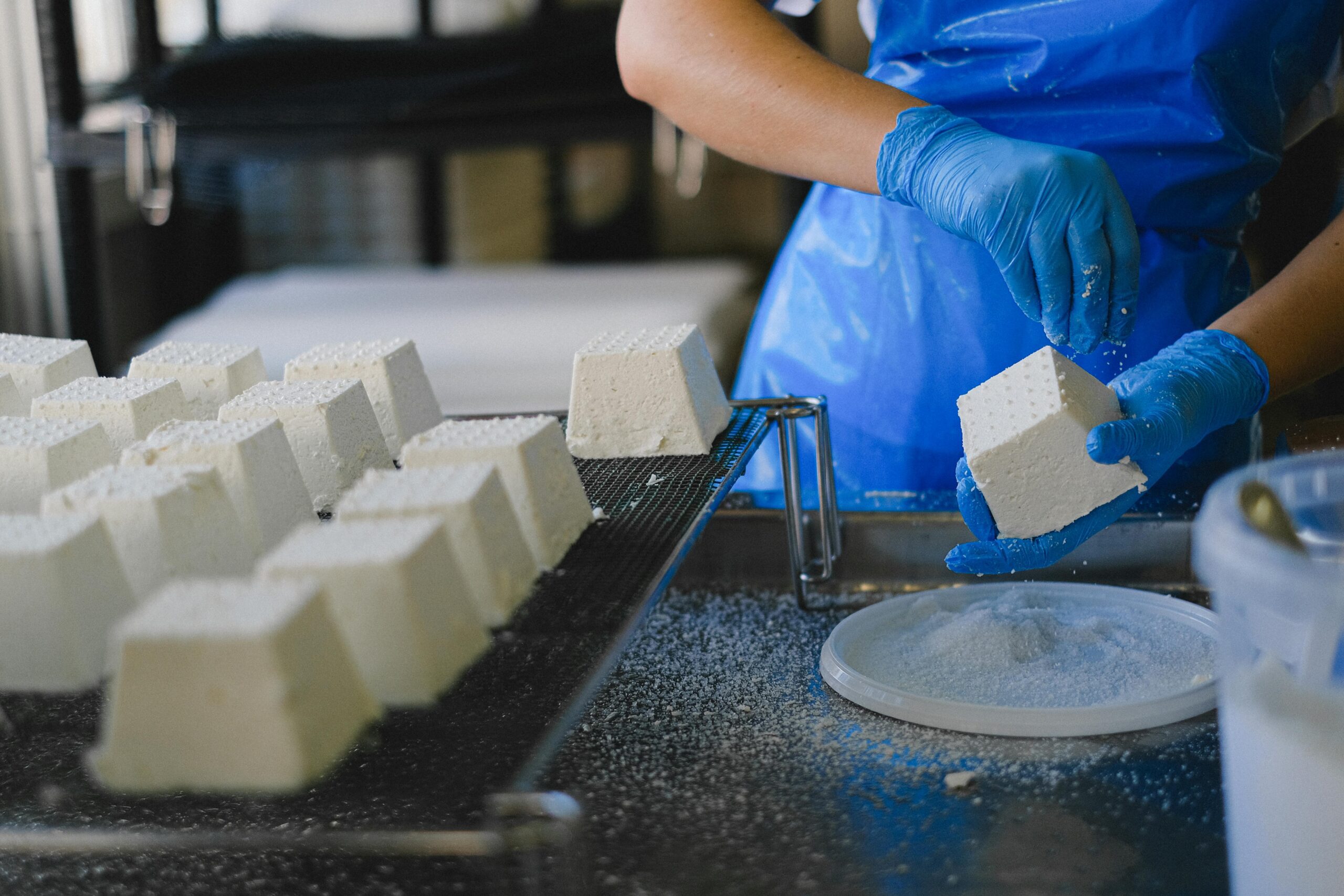
Food processing facilities face unique challenges in maintaining cleanliness and ensuring compliance with safety standards. Proper sanitation protocols are essential to prevent contamination, prolong shelf life, and meet regulatory requirements. This guide explores the best practices for food plant sanitation that food manufacturers and processors should implement.
Why Food Plant Sanitation Is Critical
Sanitation in food processing plants extends beyond mere cleanliness; it is a critical component of food safety. Effective sanitation minimizes the risk of microbial growth, cross-contamination, and spoilage, which can lead to costly recalls and damage to brand reputation.
Core Components of Food Plant Sanitation
1. Cleaning and Sanitizing Protocols
- Use approved cleaning agents that are compatible with food contact surfaces.
- Follow proper washing and rinsing procedures to remove dirt, debris, and biological residues.
- Apply sanitizers effectively to reduce microbial load to safe levels.
2. Equipment and Surface Maintenance
- Regularly inspect and maintain equipment to prevent buildup of contaminants.
- Employ wet cleaning techniques and steam cleaning where appropriate.
- Ensure all food contact surfaces are thoroughly sanitized after cleaning.
3. Employee Training
Staff training in hygiene practices and sanitation protocols is vital. Workers should understand the importance of sanitation, proper use of cleaning chemicals, and personal hygiene.
Regulatory Compliance and HACCP Systems
Implementing a Hazard Analysis and Critical Control Points (HACCP) plan ensures systematic control of sanitation processes. Compliance with food safety standards helps avoid penalties and guarantees consumer safety.
Environmental Considerations in Sanitation
Employ environmentally friendly cleaning agents that are biodegradable yet effective. Proper waste management and water conservation are also crucial components of sustainable sanitation practices.
Emerging Technologies in Food Plant Sanitation
Advanced disinfection techniques like vaporized hydrogen peroxide, UV-C sanitation, and electrostatic spraying are revolutionizing sanitation processes in the food industry. These technologies provide faster, more effective cleaning while reducing chemical usage.
Top Food Plant Sanitation Service Providers
When seeking professional sanitation services, consider partnering with experienced companies such as:
These providers assist in maintaining high sanitation standards, ensuring compliance, and reducing contamination risks.
Conclusion
Effective sanitation is integral to the success of any food processing operation. By implementing best practices, leveraging innovative technologies, and engaging reputable sanitation service providers, facilities can ensure safety, comply with regulations, and uphold the integrity of their products.
For more insights into food plant sanitation, visit Fayette Contract Sanitation Services.