
Introduction to Food Plant Sanitation and Its Role in Food Safety
Maintaining hygiene in food production facilities is essential to ensure the safety and quality of food products. Effective sanitation, including cleaning and disinfection, is integral to preventing contamination and complying with industry regulations. This article explores best practices in food plant sanitation services, highlighting key strategies for food processing plants to uphold high food safety standards.
Understanding Food Plant Sanitation
What is Food Plant Sanitation?
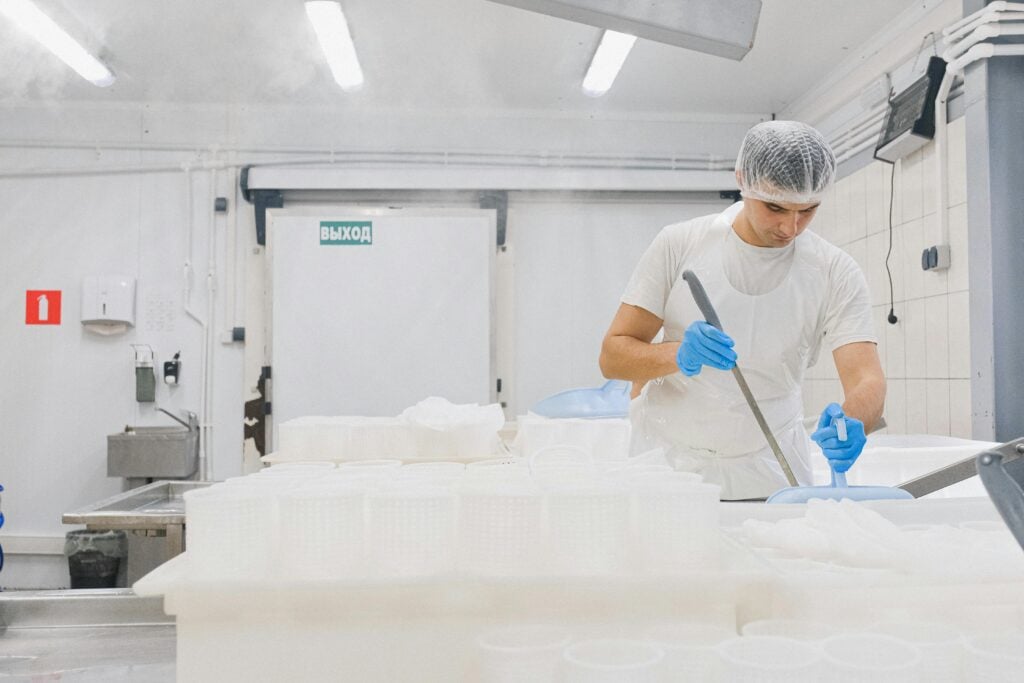
Food plant sanitation involves a series of cleaning and disinfecting procedures designed to eliminate dirt, bacteria, and other contaminants from surfaces, equipment, and environments in food processing facilities. Proper sanitation helps prevent cross-contamination and ensures compliance with Fayette Contract Sanitation Services and other regulatory standards.
Difference Between Cleaning and Disinfection
- Cleaning: The removal of visible dirt, food residues, and debris from surfaces.
- Disinfection: The use of chemical agents to eliminate pathogenic microorganisms.
Both steps are crucial; cleaning prepares surfaces for effective disinfection, ensuring food safety.
Best Practices in Food Facility Cleaning and Sanitation
Develop a Robust Sanitation Program
Implement a comprehensive sanitation schedule that covers all critical control points (CCPs). Regular cleaning routines should include:
- Cleaning food contact surfaces and equipment
- Sanitizing areas prone to food residue accumulation
- Equipment disassembly for thorough cleaning
Use Appropriate Cleaning Agents and Disinfectants
Select EPA-registered disinfectants suitable for industrial sanitation environments. Ensure products are compatible with food processing equipment and approved for use in food facilities.
Train Staff Regularly
Conduct ongoing training for sanitation staff to ensure they understand proper cleaning techniques, the importance of sanitation, and safety procedures when handling chemicals.
Implementing HACCP in Sanitation Practices
The Hazard Analysis and Critical Control Points (HACCP) system is vital in identifying and controlling potential hazards. Integrate sanitation procedures into your HACCP plan to monitor and verify sanitation effectiveness.
Monitoring and Verification of Sanitation Effectiveness
- Routine microbial testing
- Visual inspections
- Review of sanitation records
Accurate monitoring helps ensure that sanitation protocols effectively reduce microbial loads, maintaining food safety.
Choosing a Sanitation Service Provider
Partnering with experienced sanitation providers can streamline your sanitation processes. Consider companies like Fayette Contract Sanitation Services, Janiking, and Hydrite for their expertise in food processing sanitation solutions.
Conclusion
Maintaining high standards of sanitation in food processing plants is fundamental to food safety. Implementing effective cleaning and disinfection protocols, supported by a solid HACCP plan and regular monitoring, can significantly reduce contamination risks and enhance product quality. Reach out to reputable sanitation providers to ensure your facility meets regulatory requirements and industry best practices.