Understanding the Critical Role of Industrial and Food Plant Sanitation in Food Safety and Regulatory Compliance
Effective sanitation is essential in maintaining high standards of food safety and ensuring regulatory compliance within food processing facilities. Proper cleaning and sanitation practices not only prevent contamination but also uphold the integrity of food products, protecting consumers and preserving brand reputation.
Types of Sanitation in Food Processing
Industrial Sanitation
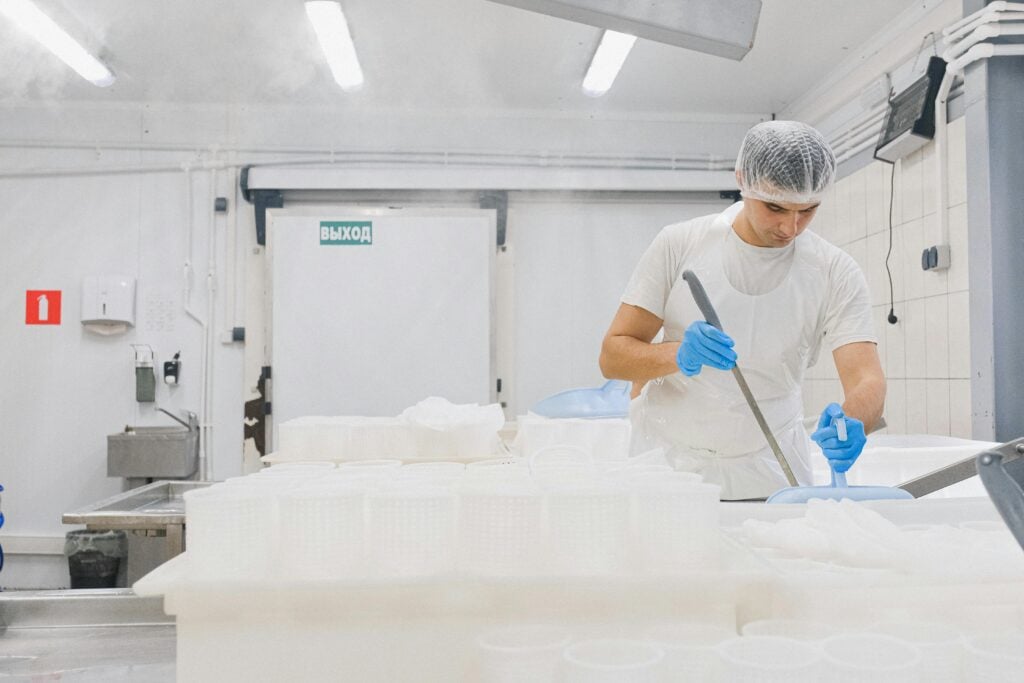
Industrial sanitation encompasses comprehensive cleaning protocols tailored for large-scale manufacturing environments. These practices involve the removal of dirt, debris, and microbial contaminants through methods like wet cleaning and specialized equipment to ensure surfaces are free from pathogens.
Food Plant Sanitation Services
Specialized food plant sanitation services include chemical cleaning, sanitation verification, and hygiene audits. Reliable sanitation companies, such as Fayette Contract Sanitation Services, provide customized programs that align with strict HACCP (Hazard Analysis and Critical Control Points) standards and other food safety protocols.
Best Practices for Food Industry Sanitation
- Implement a daily cleaning schedule targeting high-touch surfaces and equipment.
- Utilize proven cleaning agents and disinfectants compatible with food contact surfaces to eliminate pathogens.
- Document sanitation procedures and verification steps to ensure compliance and facilitate audits.
- Train staff thoroughly on sanitation protocols and the importance of hygiene in food safety.
Challenges and Solutions in Food Plant Sanitation
One of the significant challenges is maintaining sanitation during high production volumes, which can lead to contamination risks. To mitigate this, facilities should adopt wet cleaning techniques combined with detailed cleaning schedules and regular staff training.
The Significance of HACCP in Sanitation
HACCP systems are integral to food safety management, emphasizing preventive measures. Proper sanitation practices are vital components of HACCP, helping identify critical control points to prevent contamination and ensure safe food products.
Choosing the Right Sanitation Partner
Partnering with certified and experienced contract sanitation companies is crucial for maintaining compliance and high sanitation standards. Leading providers like GDI and Ecolab offer innovative cleaning solutions tailored for food processing environments.
Sanitation Service Providers
Final Thoughts
Maintaining impeccable food plant sanitation requires a strategic approach, combining effective cleaning practices, staff training, and reliable partners. Investing in high-quality sanitation services ensures compliance with food safety standards and the delivery of safe, uncontaminated food products to consumers.