Introduction to Food Plant Sanitation and Compliance
Maintaining a clean and compliant food processing facility is critical for ensuring food safety, preventing contamination, and adhering to industry regulations. This comprehensive guide delves into the essentials of food plant sanitation, industry standards, and effective strategies for compliance.
The Importance of Food Plant Sanitation
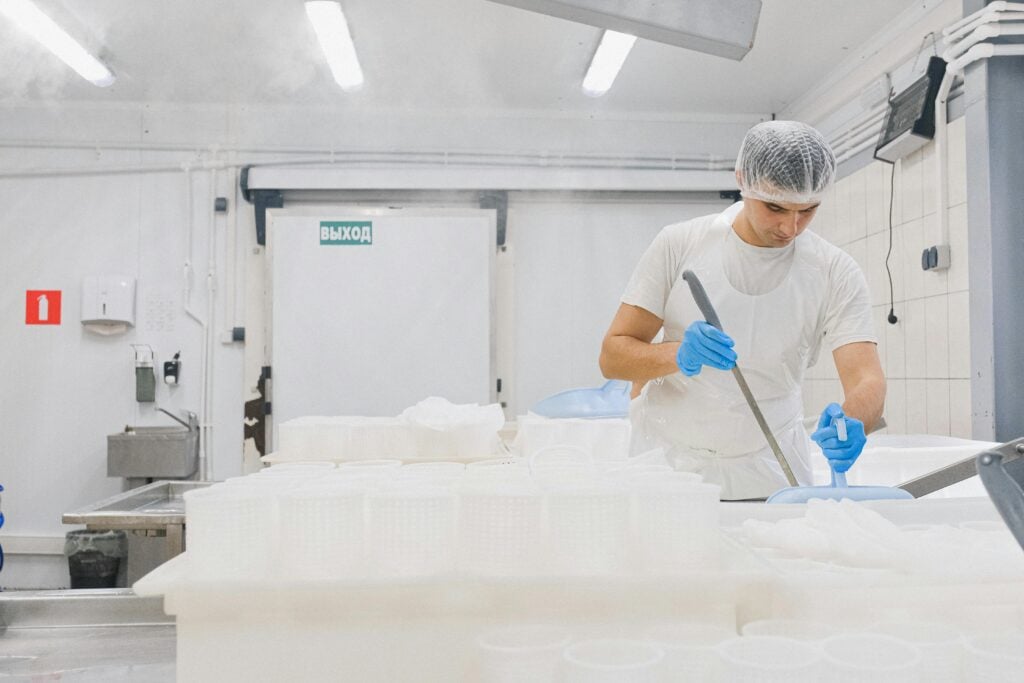
Cleanliness in food processing facilities is not just about appearance; it directly impacts food safety and product quality. Proper sanitation reduces the risk of microbial contamination, cross-contact, and spoilage, thereby protecting consumer health and brand reputation.
Key Components of Effective Food Plant Sanitation
Cleaning and Sanitizing Procedures
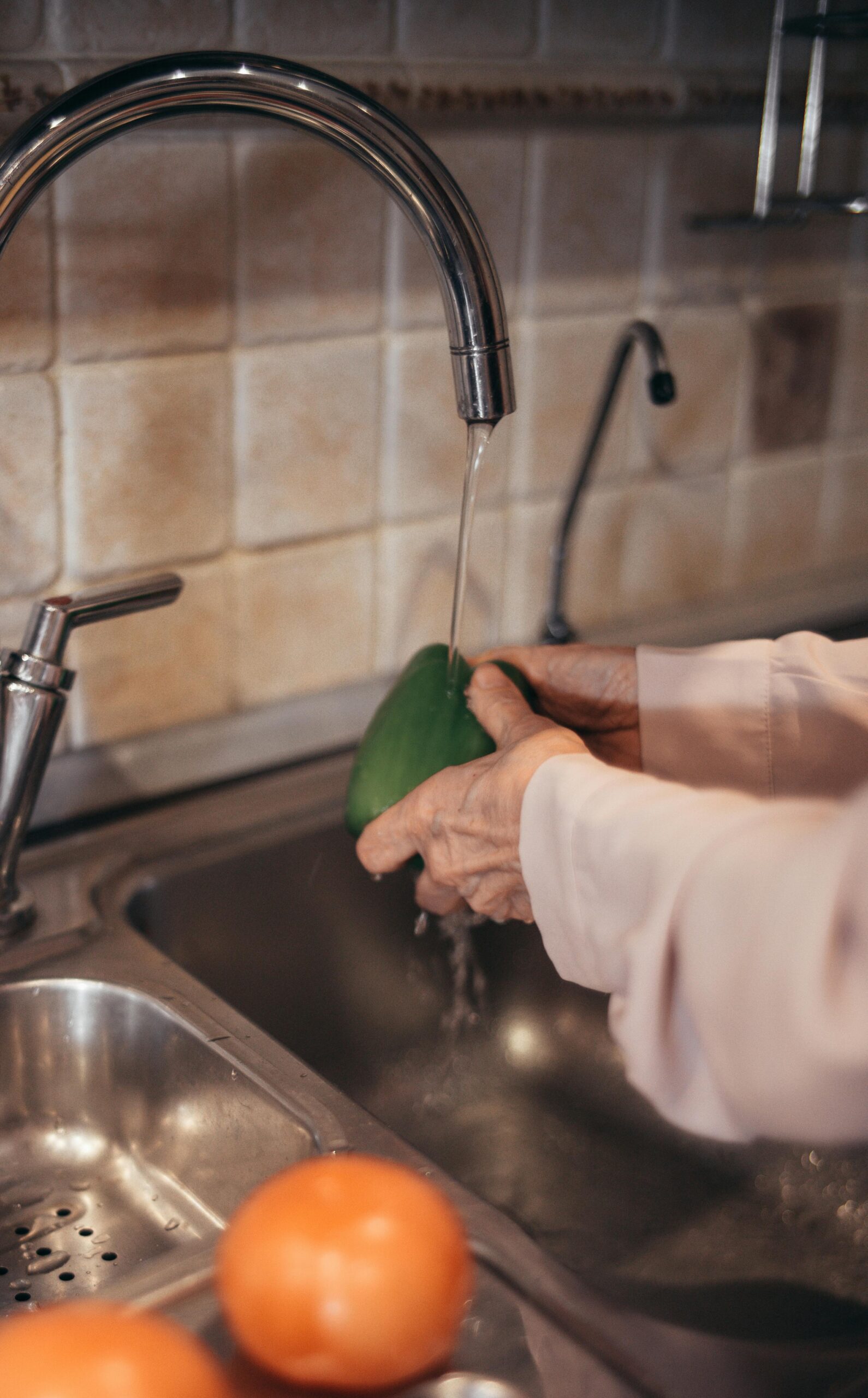
Effective sanitation combines thorough cleaning and sanitizing. Cleaning involves removing dirt, debris, and organic matter, while sanitizing reduces microbial presence to safe levels.
- Use of approved sanitation chemicals
- Proper equipment cleaning tools
- Standardized cleaning schedules
Industry Standards and Regulations
Compliance with HACCP and other regulatory frameworks ensures that sanitation procedures meet safety standards and legal requirements. Regular audits, documentation, and staff training are essential components of compliance.
Innovative Technologies in Food Plant Sanitation
Recent advancements include wet cleaning systems, automated cleaning equipment, and environmentally friendly disinfectants. These innovations improve efficiency, safety, and environmental impact.
Choosing the Right Contract Sanitation Company
Partnering with a reliable sanitation provider ensures ongoing compliance and sanitation excellence. Reputable companies like Fayette Contract Sanitation Services, Janitorial Service by JanKing, and Pro Cleaning Solutions USA offer tailored solutions for food processing facilities.
Conclusion
Maintaining impeccable food plant sanitation is vital for quality assurance and regulatory compliance in the food industry. Implementing effective cleaning protocols, utilizing modern technology, and partnering with experienced sanitation providers can significantly enhance food safety outcomes.