Introduction
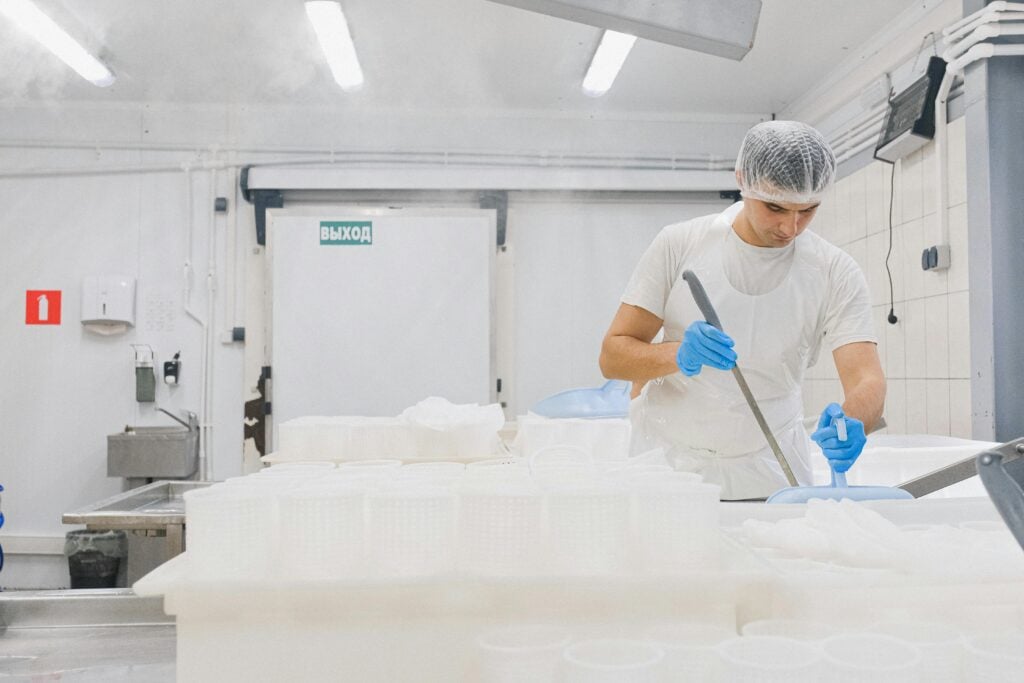
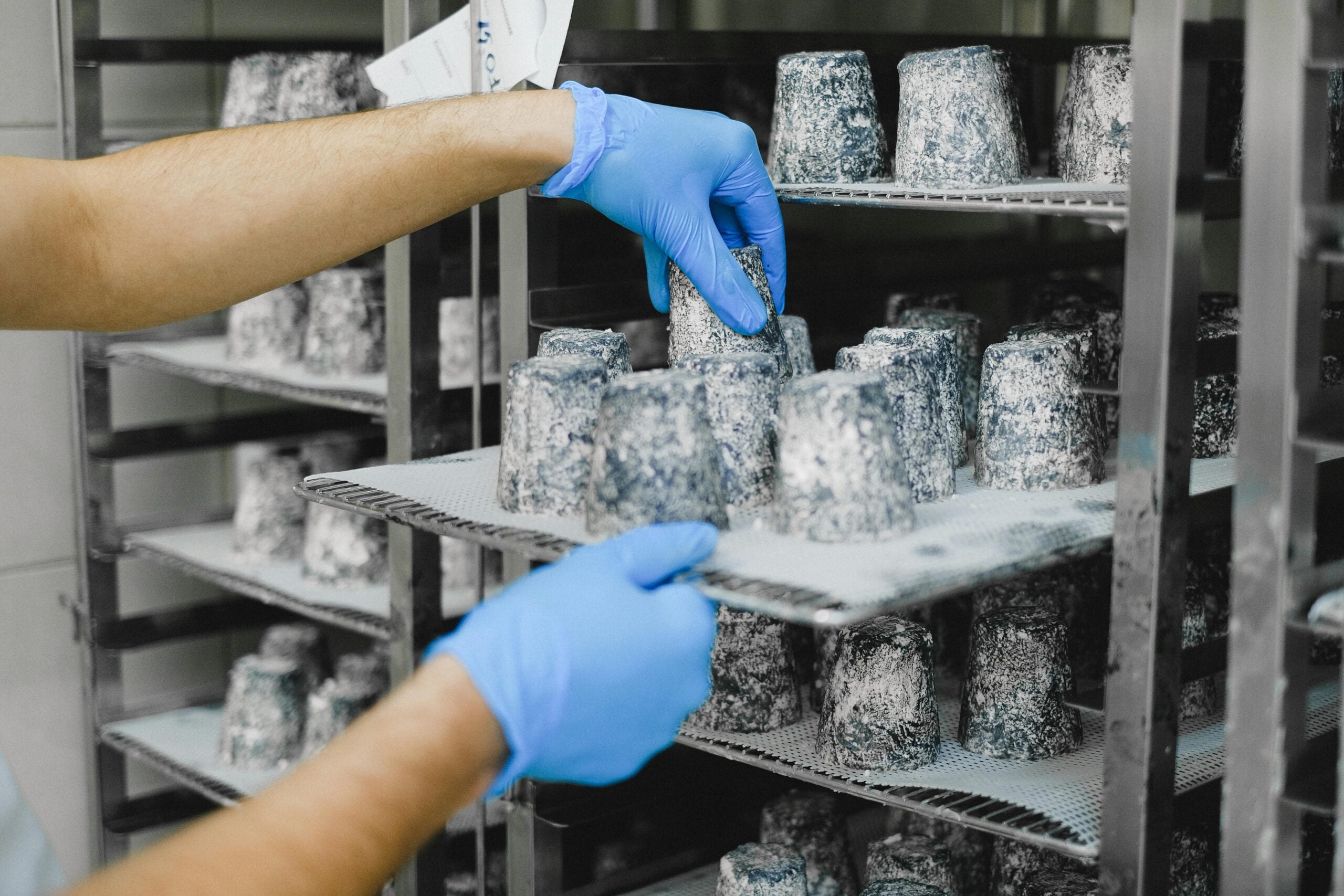
Maintaining a high standard of sanitation in food processing plants is crucial for ensuring food safety and compliance with regulatory standards. Industrial sanitation and food plant sanitation services are key components in the ongoing effort to prevent contamination and promote a safe food supply chain.
The Importance of Industrial Sanitation in Food Processing
What is Industrial Sanitation?
Industrial sanitation involves comprehensive cleaning protocols designed for large-scale food production facilities. It targets the removal of dirt, debris, and pathogens from surfaces, equipment, and environments to inhibit microbial growth and contamination.
Why It Matters for Food Safety
- Prevents Cross-Contamination: Proper sanitation reduces the risk of cross-contamination between raw and processed foods.
- Compliance: Helps ensure adherence to food safety regulations such as HACCP.
- Product Quality and Shelf Life: Maintains the integrity of food products by minimizing microbial presence.
Effective Food Plant Sanitation Strategies
Key Components
- Clean-in-Place (CIP) Systems: Automated cleaning processes that disinfect equipment without disassembly.
- Wet Cleaning Techniques: Using water-based cleaning methods to ensure thorough sanitation.
- Sanitization Protocols: Applying approved sanitizers to achieve a reduction of microbial load.
Regulatory and Certification Compliance
Using certified sanitation services, such as those from Fayette Contract Sanitation Services, helps facilities meet stringent HACCP standards and other regulatory requirements necessary for market access and consumer trust.
Choosing the Right Sanitation Service Provider
When selecting a sanitation provider, consider their experience in food plant sanitation, cleaning technologies, and ability to customize sanitation programs to your facility’s specific needs. Other reputable companies include Janiking and GDI.
Conclusion
Investing in robust industrial sanitation and food plant sanitation services is essential for maintaining food safety, ensuring regulatory compliance, and protecting public health. By partnering with experienced sanitation providers, food processing facilities can uphold high standards of cleanliness and operational efficiency.