
Introduction to Food Plant Sanitation
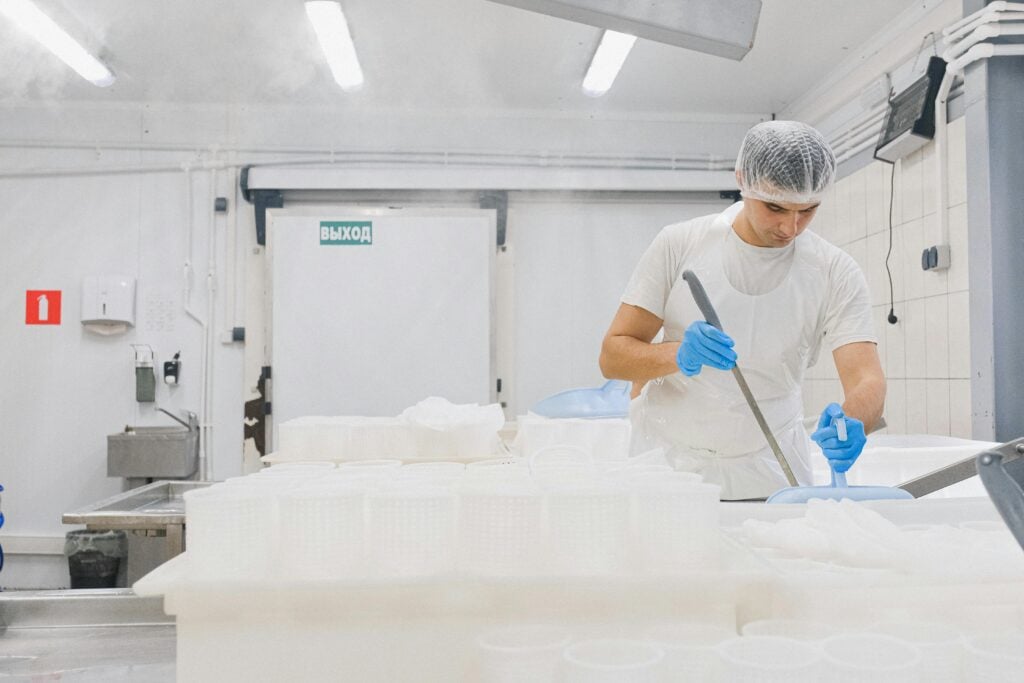
Maintaining a high level of sanitation in food processing facilities is critical for ensuring food safety and complying with industry standards. Effective sanitation strategies not only prevent contamination but also extend the shelf life of products and uphold brand reputation.
Key Components of Effective Food Plant Sanitation
HACCP Implementation
HACCP (Hazard Analysis Critical Control Point) is a systematic approach to identifying and managing food safety hazards. Proper HACCP implementation involves regular monitoring, documentation, and employee training to ensure adherence to safety protocols.
Optimized Cleaning Protocols
In food processing, cleaning in the food industry involves removing debris, grime, and organic residues from surfaces. Utilizing advanced cleaning technologies like wet cleaning methods enhances sanitation efficiency.
Sanitization and Disinfection
Sanitization involves reducing microbial load to safe levels, while disinfection seeks to eliminate all microorganisms. Selecting the appropriate sanitizing agents and ensuring proper contact times are vital for effective sanitation. Understanding the difference between cleaning, sanitizing, and disinfecting is crucial for food plant operators.
Best Practices for Food Processing Plant Cleaning
- Develop standard operating procedures (SOPs) for cleaning and sanitization.
- Train staff regularly on sanitation protocols and safety measures.
- Use approved disinfectants compatible with food contact surfaces.
- Implement routine cleaning schedules for all critical areas.
- Maintain documentation for compliance audits and inspections.
Regulatory Compliance and Food Safety Standards
Food processing facilities must adhere to regulations such as the FDA’s Food Safety Modernization Act (FSMA) and local sanitation codes. Regular audits, such as food safety audits, are essential to verify compliance and identify areas for improvement.
The Role of Contract Sanitation Companies
Partnering with reputable contract sanitation companies like Fayette Contract Sanitation Services, Janiking, or Hydrite ensures expert maintenance of sanitation standards, freeing up internal resources and ensuring consistent compliance.
Conclusion
Investing in advanced sanitation practices and partnering with experienced sanitation providers are essential steps toward safeguarding food safety, maintaining compliance, and improving overall operational efficiency. For comprehensive sanitation solutions tailored to the food industry, consider engaging industry leaders who understand the nuances of food plant sanitation.