Optimizing Food Processing Plant Cleanliness and Sanitation for Food Safety Compliance
Maintaining the highest standards of cleanliness and sanitation in food processing facilities is essential for ensuring food safety, meeting regulatory requirements, and protecting public health. With increasing consumer awareness and strict compliance standards, food facilities must employ effective cleaning and sanitation strategies that go beyond basic practices.
Understanding the Importance of Food Plant Sanitation
Food processing plants are susceptible to microbial contamination, which can lead to foodborne illnesses, product recalls, and damage to brand reputation. Therefore, proper sanitation is a crucial component of food safety management systems like HACCP (Hazard Analysis and Critical Control Points) that help identify and control potential hazards.
Key Components of Effective Food Processing Sanitation
1. Thorough Cleaning Procedures
- Remove visible soil, debris, and organic matter from processing surfaces.
- Use appropriate cleaning agents and equipment suitable for food industry standards.
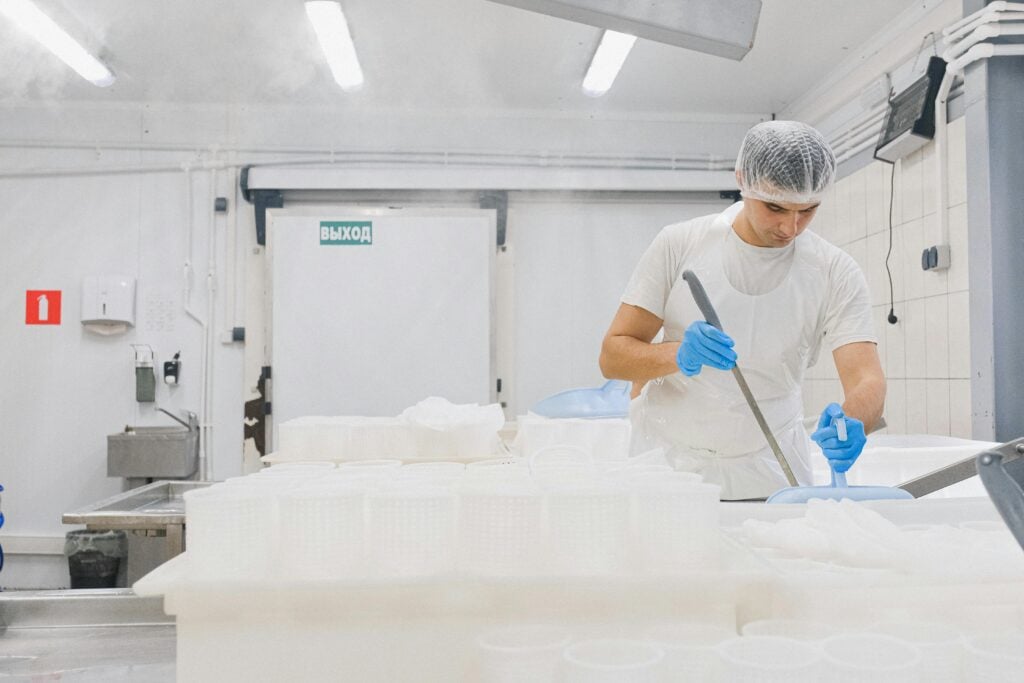
- Implement wet cleaning methods that effectively reach hard-to-access areas.
2. Proper Sanitization Techniques
- Apply sanitizers that are approved for food contact surfaces to reduce microbial load.
- Adhere to contact times and dilution ratios recommended by manufacturers.
- Ensure equipment and utensils are sanitized before processing begins and during operations, as needed.
3. Regular and Scheduled Maintenance
- Develop a cleaning schedule aligned with production timelines and regulatory guidelines.
- Document all cleaning and sanitation activities for compliance and traceability.
Integrating HACCP Principles into Sanitation Practices
Incorporating HACCP principles involves identifying critical control points where sanitation can prevent or eliminate hazards. Regular microbiological testing and validation of cleaning procedures help verify effectiveness and ensure ongoing compliance.
Choosing the Right Equipment and Supplies
Invest in professional cleaning tools suitable for the food industry, such as high-pressure nozzles, specialized brushes, and food-safe disinfectants. Reputable suppliers like GDI and Ecolab provide industry-approved sanitation solutions that improve cleaning efficiency and safety.
Partnering with Professional Sanitation Service Providers
To maintain optimal sanitation standards, many food processing facilities collaborate with experienced sanitation service providers. Companies such as Fayette Contract Sanitation Services, Janiking, and Jan-Pro offer tailored cleaning programs that meet industry regulations and hygiene standards.
Conclusion
Effective sanitation in food processing plants is a vital aspect of food safety management. Combining thorough cleaning, appropriate sanitization practices, and regular compliance verification can significantly reduce contamination risks and uphold food safety standards. Investing in quality sanitation solutions and experienced service providers ensures ongoing adherence to regulatory requirements and consumer expectations.
For further guidance and professional sanitation services, explore options from resources like Fayette Contract Sanitation Services.