Introduction to Food Plant Sanitation and Industry Standards
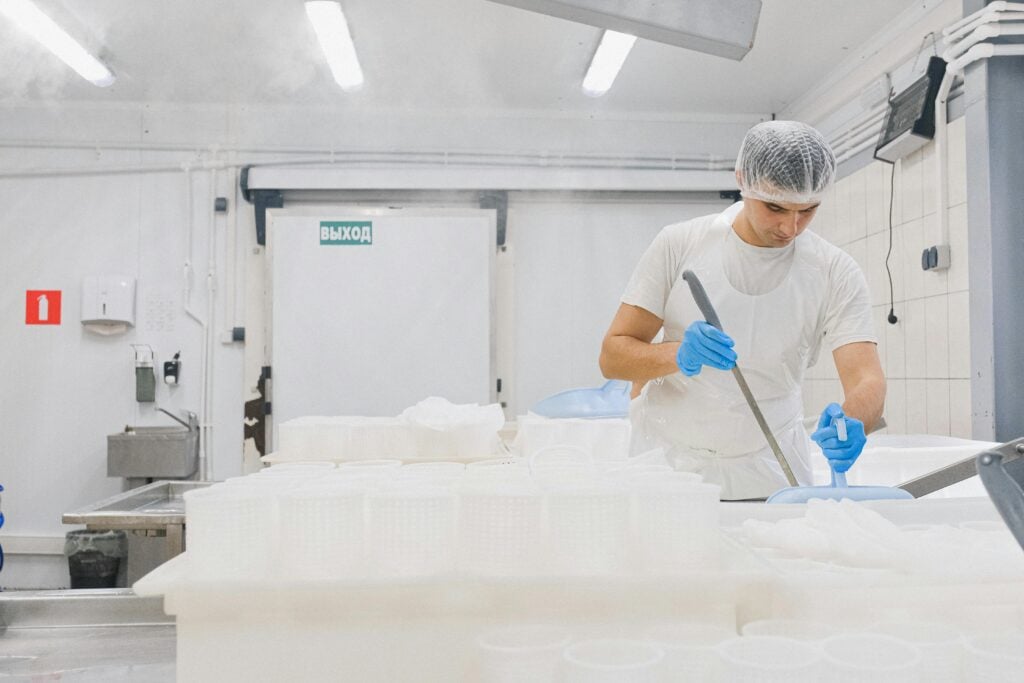
Maintaining impeccable cleanliness and sanitation in food processing plants is vital for ensuring food safety, complying with industry regulations, and protecting public health. Food plant sanitation services encompass a variety of cleaning protocols, sanitization processes, and compliance measures designed to prevent contamination and promote hygiene.
Understanding the Key Components of Food Plant Sanitation
Cleaning vs. Sanitization
While often used interchangeably, cleaning and sanitizing serve distinct roles in food industry sanitation:
- Cleaning: Removal of dirt, debris, and food residues from surfaces.
- Sanitization: Reducing microbial load to safe levels, crucial for preventing foodborne illnesses.
Implementing effective cleaning and sanitizing steps forms the foundation of food safety programs.
HACCP System and Its Role in Food Safety
Hazard Analysis and Critical Control Points (HACCP) is a systematic approach to identifying, evaluating, and controlling food safety hazards. Establishing HACCP plans ensures ongoing compliance with safety standards and enhances sanitation protocols.
Innovative Cleaning Techniques in Food Industry
Wet Cleaning Methods
Wet cleaning, involving the use of water, detergents, and sanitizers, effectively removes soils in food processing environments. Proper application of wet cleaning procedures reduces microbial risks and maintains equipment integrity.
Disinfection and Sterilization
Disinfection kills or inactivates pathogens on surfaces, whereas sterilization achieves complete microbial eradication. Both are essential in high-risk areas within food plants.
Choosing the Right Contract Sanitation Companies
Partnering with reputable fayette sanitation, Janiking, or GDI can support FSI maintaining rigorous sanitation standards. Evaluating providers based on their expertise, equipment, and compliance record is key for sustained food safety.
Implementing a Robust Food Safety and Sanitation Program
Developing and maintaining a comprehensive sanitation program includes:
- Regular training of personnel on proper cleaning and sanitizing techniques.
- Utilizing approved cleaning chemicals and equipment.
- Documentation and audit readiness to meet industry regulations.
Conclusion
Effective food plant sanitation and compliance are critical to securing food safety, satisfying regulatory requirements, and minimizing contamination risks. Collaboration with leading sanitation service providers and diligent application of established procedures help ensure the highest standards of hygiene in food processing facilities.
For further assistance, consider contacting Fayette Contract Sanitation Services to support your company’s sanitation efforts and compliance strategies.