
Introduction to Food Plant Sanitation and Food Safety
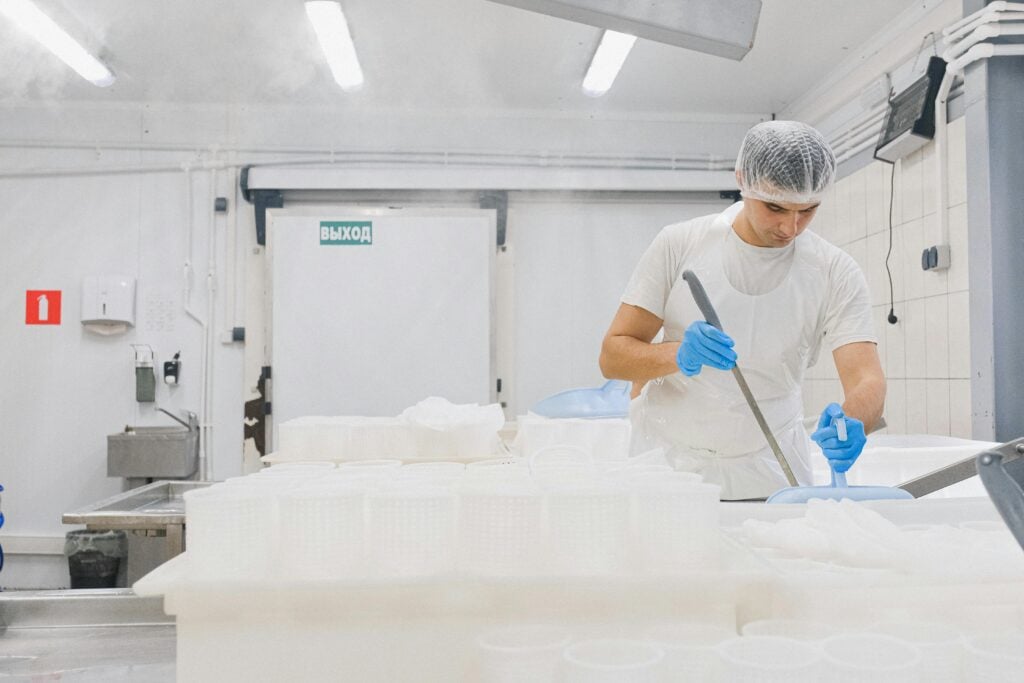
Food processing facilities require strict sanitation protocols to ensure optimal food safety and compliance with regulatory standards. Regular cleaning and sanitization are vital in preventing contamination and maintaining product integrity. This article explores the significance of effective food plant sanitation and how industry leaders can implement best practices for safety and efficiency.
Understanding Food Plant Sanitation
What is Food Plant Sanitation?
Food plant sanitation refers to the systematic process of cleaning and disinfecting food processing environments to eradicate bacteria, molds, and other pathogens. Proper sanitation practices are foundational to meet food safety standards and prevent cross-contamination.
Regulatory Requirements and HACCP
Compliance with HACCP systems and other regulatory standards is crucial. HACCP (Hazard Analysis Critical Control Point) helps identify potential risks and enforce controls through rigorous sanitation routines.
Best Practices for Food Processing Facility Sanitation
Cleaning vs. Sanitizing: Know the Difference
- Cleaning: The removal of dirt, organic matter, and debris from surfaces.
- Sanitizing: Reducing microbial populations to safe levels.
Both steps are essential, and they must be executed correctly to ensure food safety in the processing environment.
Effective Cleaning and Sanitizing Procedures
- Pre-clean surfaces to remove dirt and debris.
- Use appropriate cleaners compatible with food contact surfaces.
- Rinse thoroughly to remove residues.
- Apply sanitizers at proper concentrations and contact times.
- Allow surfaces to air dry or wipe with sanitized cloths.
Choosing the Right Sanitation Products
Consider eco-friendly, Food Safety Modernization Act (FSMA)-compliant sanitizers, and collaborate with reliable suppliers such as GDI or Ecolab.
Technology and Training for Optimal Sanitation
Use of Modern Equipment
Automated cleaning systems and wet cleaning technologies streamline sanitation efforts, ensuring thorough coverage and reducing manual labor.
Training and Compliance
Consistent training on sanitation protocols and hygiene best practices is necessary for staff to maintain high standards and prevent cross-contamination.
Monitoring and Verification
Regular testing, including surface swabs and microbial counts, verify the effectiveness of sanitation procedures. Implementing regular audits ensures ongoing compliance and improvement.
Sanitation Service Providers
Trusted sanitation service providers like Fayette Contract Sanitation Services can assist in establishing effective sanitation programs. Other reputable companies include Janiking and Jan-Pro.
Conclusion
Effective sanitation in food processing plants is essential for food safety, regulatory compliance, and operational efficiency. By integrating industry best practices, innovative technology, and expert sanitation services, facilities can significantly reduce risk and assure the highest standards of cleanliness and safety.