Introduction to Food Plant Sanitation and Industry Compliance
Maintaining cleanliness and adhering to sanitation standards are crucial for food processing facilities. Proper food plant sanitation services not only ensure product safety but also comply with regulatory guidelines, reducing the risk of contamination and recall incidents.
Understanding Food Plant Sanitation
What is Food Plant Sanitation?
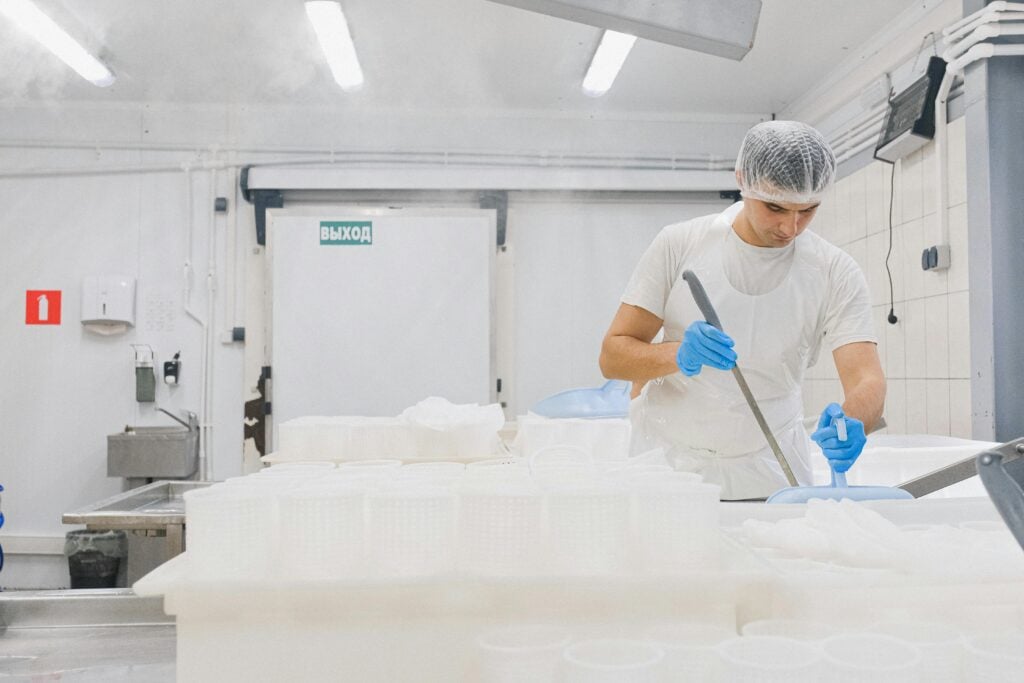
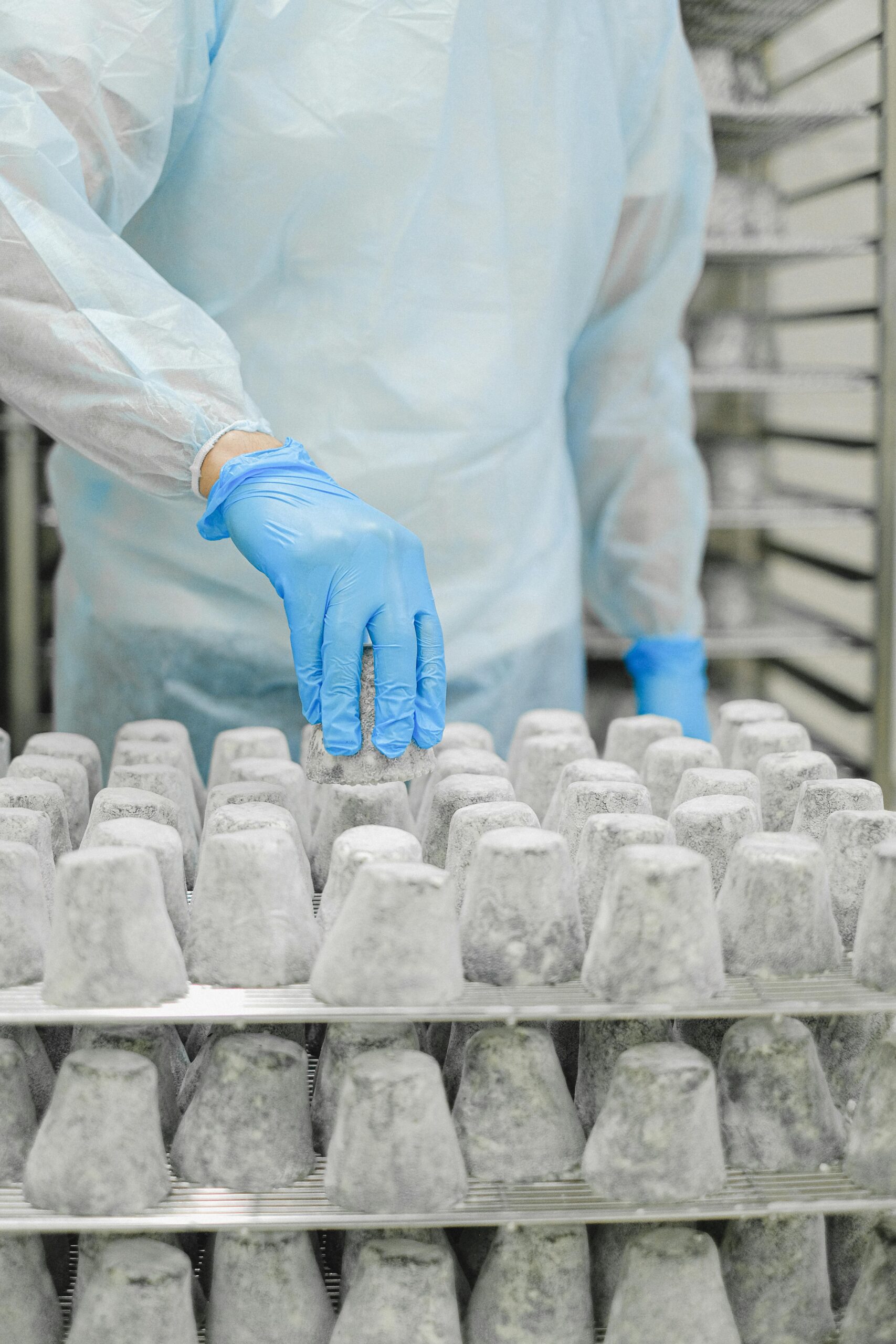
Food plant sanitation involves cleaning and sanitizing all surfaces, equipment, and facilities where food is processed. It is essential to follow strict protocols to eliminate pathogens, dirt, and debris that can compromise product safety.
Steps in Effective Food Facility Cleaning
- Pre-removal of debris and organic matter
- Use of appropriate cleaning agents for different surfaces
- Rinsing thoroughly to remove residues
- Application of sanitizers to reduce microbial load
- Documentation of cleaning procedures for compliance
Regulatory Standards and HACCP System
Implementing a Hazard Analysis and Critical Control Points (HACCP) plan is fundamental in managing food safety risks. HACCP involves identifying potential hazards, establishing critical control points, and monitoring processes to maintain safety.
Importance of Using Proper Sanitizers
Types of Sanitizers for Food Facilities
- Chlorine-based sanitizers
- Quaternary ammonium compounds
- Peracetic acid solutions
Choosing the right sanitizer is vital, and it should be compatible with the equipment and materials used in the facility. Regular testing ensures its effectiveness.
Role of Contract Sanitation Companies
Engaging professional sanitation service providers like Fayette Contract Sanitation Services, Janiking, and Jan-Pro can help maintain high sanitation standards. These companies offer comprehensive cleaning routines tailored for food processing plants and are experienced with regulatory compliance.
Advanced Technologies and Cleaning Methods
Innovative cleaning techniques such as wet cleaning and automated systems improve efficiency and safety. Employing equipment with validated methods supports consistent sanitation and reduces cross-contamination.
Maintaining Compliance and Preparing for Audits
Documented procedures, proper training, and routine inspections are key elements in demonstrating compliance during audits. Staying updated with food safety regulations ensures ongoing adherence to industry standards.
Conclusion
Effective food plant sanitation is vital to product safety, regulatory compliance, and overall operational success. Partnering with experienced sanitation providers and implementing validated cleaning protocols creates a safer environment for food production.
For support in food plant sanitation, consider services from Fayette Contract Sanitation Services, GDI, and Ecolab.