Introduction
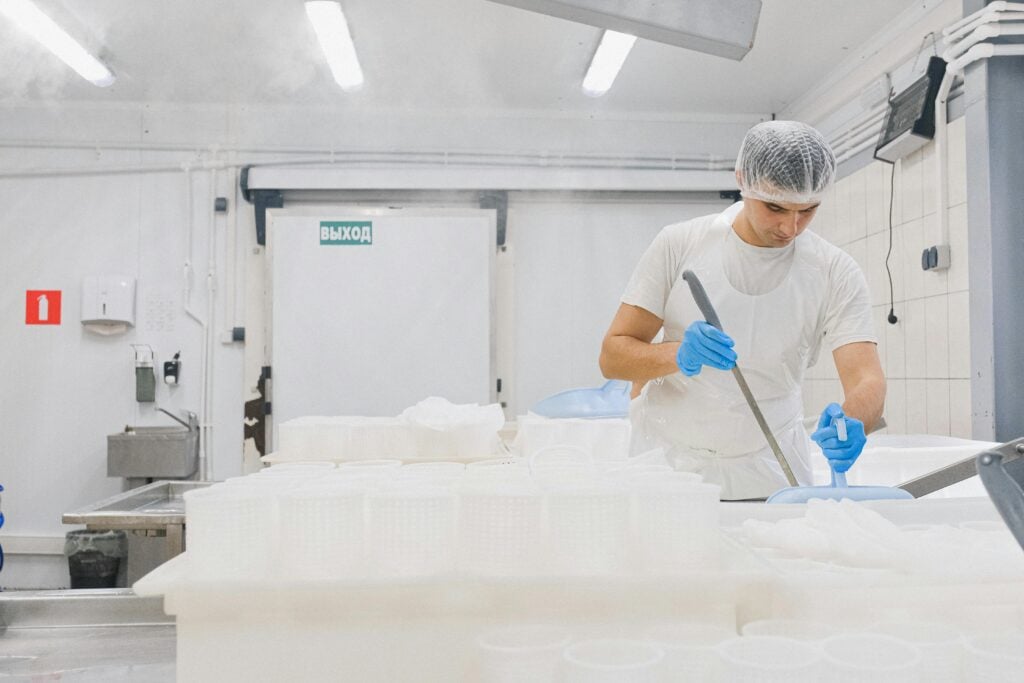
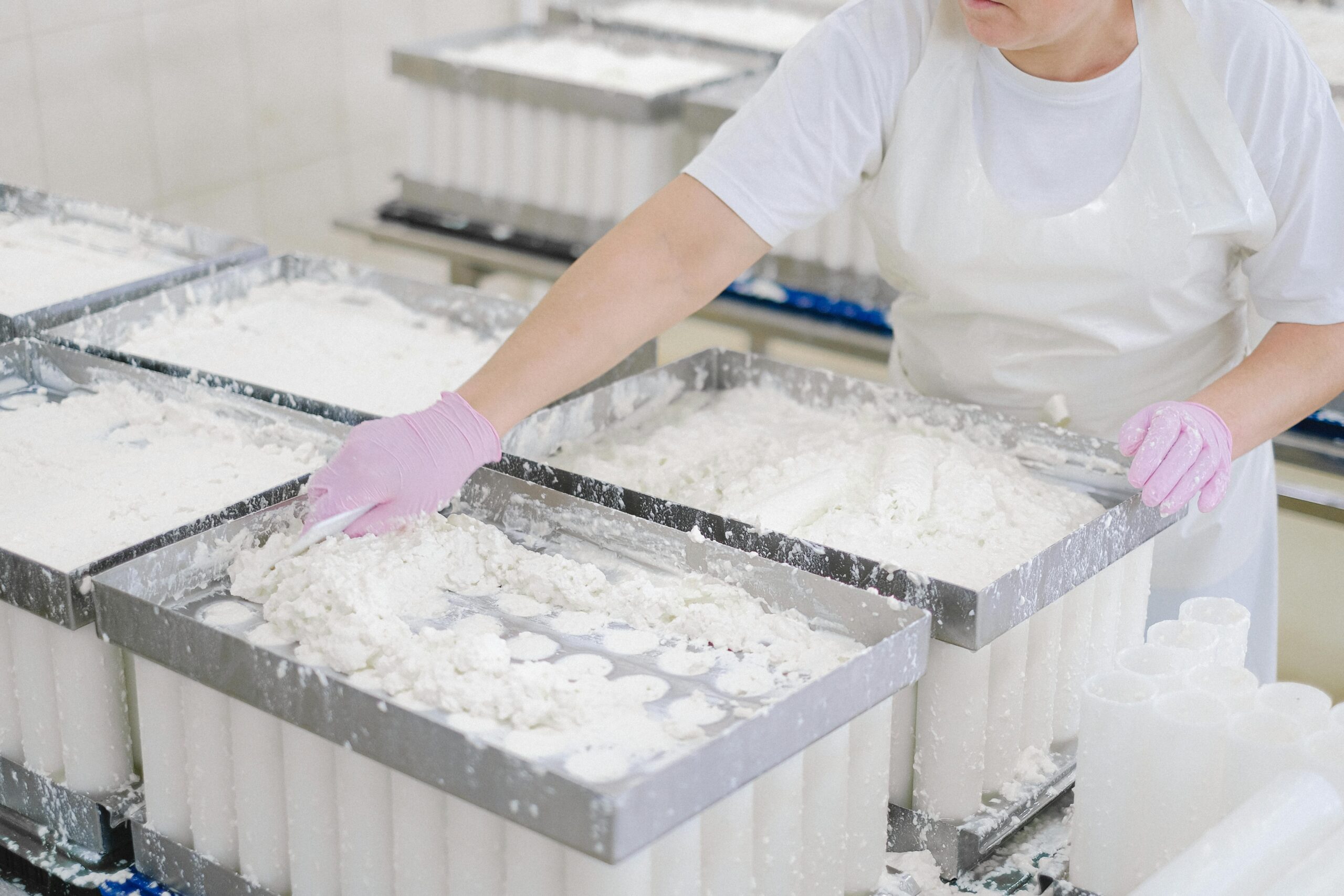
Maintaining cleanliness and sanitation in food processing facilities is critical to ensuring food safety and complying with regulatory standards. Food plant sanitation directly impacts product quality, brand reputation, and consumer health. This article explores effective sanitation practices, the importance of compliance, and reliable sanitation service providers to support your food industry operations.
Understanding Food Plant Sanitation and Its Role in Food Safety
Food plant sanitation encompasses cleaning in the food industry and disinfection procedures designed to eliminate contaminants. Proper sanitation practices are essential for preventing cross-contamination and ensuring that food products meet safety standards. Regular sanitation helps maintain the HACCP systems and adheres to strict industry regulations.
Key Components of Food Facility Sanitation
- Effective Cleaning Measures: Remove dirt, debris, and organic matter using approved cleaning agents.
- Disinfection: Use sanitizers to reduce microbial load to safe levels.
- Equipment Maintenance: Ensure all machinery and surfaces are sanitized regularly.
- Personnel Hygiene: Enforce strict hand hygiene and protective clothing protocols.
Challenges in Food Processing Plant Cleaning
Achieving optimal sanitation in food processing environments can be challenging due to complex equipment, hard-to-reach areas, and strict regulatory requirements. Implementing wet cleaning and other advanced methods can significantly improve cleaning outcomes and hygiene standards.
Strategies for Effective Food Industry Sanitation
Adopt a Layered Approach
Implement cleaning and sanitizing strategies in layers, focusing on routine cleaning, deep cleaning, and periodic sanitation audits. This layered approach ensures ongoing compliance and reduces the risk of contamination.
Utilize Innovative Cleaning Technologies
- Steam Cleaning: Kills microbes without chemicals, ideal for delicate surfaces.
- Foam Cleaning: Extends contact time for effective pathogen removal.
- Ultraviolet (UV) Sanitization: Provides chemical-free disinfection of surfaces and air.
Choose Reliable Sanitation Service Providers
Partnering with reputable contract sanitation companies such as Fayette Contract Sanitation Services ensures consistent cleaning standards and compliance. Other credible providers include Janitorial Services and Hydrite.
Regulatory Compliance and Food Safety Audits
Consistent sanitation practices support compliance with food safety standards such as HACCP. Conduct regular food safety audits to identify sanitation gaps and implement corrective actions promptly. Proper documentation and record-keeping are critical for demonstrating compliance during inspections.
Conclusion
Effective sanitation in the food processing industry is essential for food safety, regulatory compliance, and product quality. By adopting best practices, utilizing innovative cleaning technologies, and partnering with trusted sanitation providers, your facility can maintain a high standard of cleanliness and safety.