Understanding the Role of Sanitation and Compliance in Food Processing
Ensuring safety and cleanliness in food processing plants is critical for protecting consumers and maintaining regulatory standards. Advanced sanitation services and strict compliance with hygiene protocols are indispensable components of a safe food industry.
Why Food Plant Sanitation is a Key Priority
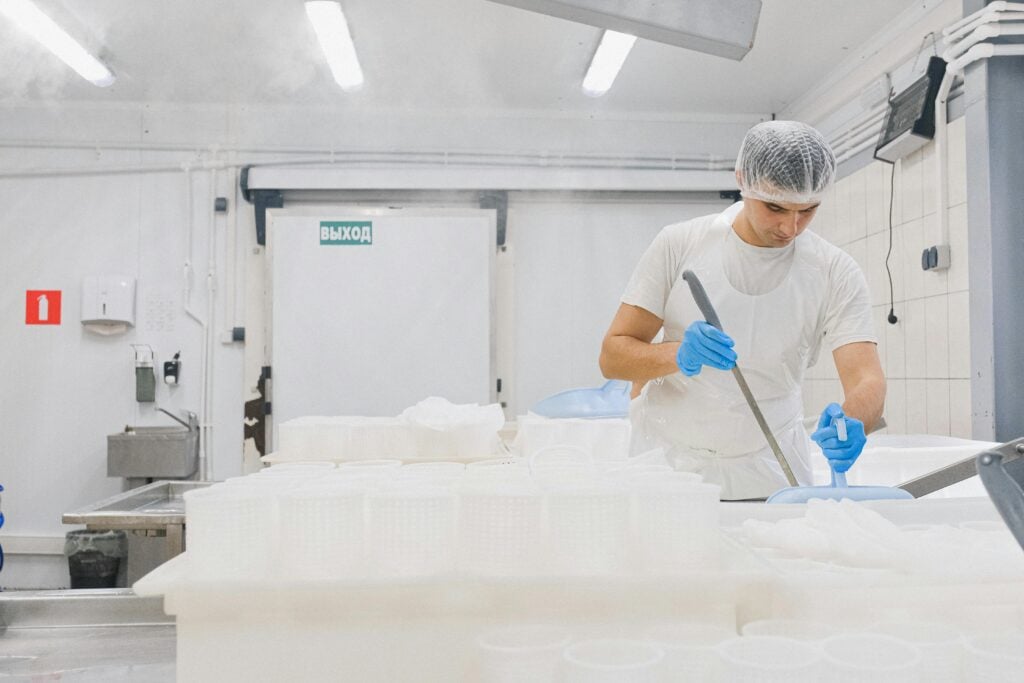
Food processing facilities face unique challenges when it comes to sanitation. The presence of dirt, debris, and potential microbial contaminants necessitates specialized cleaning procedures. Facilities benefit from working with professional Fayette Contract Sanitation Services, which offers tailored solutions to meet the strictest hygiene standards.
Effective Cleaning in Food Industry
- Utilizing wet cleaning techniques to remove stubborn residues
- Implementing meticulous cleaning schedules
- Employing approved sanitizers for maximum microbial control
Regulatory Compliance and HACCP System
Compliance with the Hazard Analysis and Critical Control Points (HACCP) system is mandatory for food processing operations. HACCP helps identify potential hazards and establish control measures to prevent contamination. Regular audits and proper documentation ensure ongoing compliance and safety.
Key Aspects of HACCP in Food Plants
- Hazard analysis and risk assessment
- Critical control points monitoring
- Verification and validation procedures
The Benefits of Professional Sanitation Services
Partnering with experienced sanitation providers ensures that all aspects of food plant hygiene are addressed. Companies like Janiking and GDI offer comprehensive cleaning solutions that help meet industry standards while minimizing downtime.
Implementing Best Practices for Food Industry Hygiene
Routine Cleaning and Disinfection
- Use of appropriate cleaning agents
- Regular disinfection of surfaces and equipment
- Staff training on sanitation protocols
Monitoring and Documentation
Maintain detailed records of cleaning schedules, HACCP compliance activities, and audit results to ensure transparency and continuous improvement.
Conclusion
Maintaining high standards of sanitation and compliance is essential for food processing plants to ensure food safety, regulatory adherence, and operational efficiency. Collaborating with professional sanitation service providers significantly contributes to these objectives. For tailored solutions, consider Fayette Contract Sanitation Services or other reputable companies committed to food industry hygiene.
Additional Resources
Learn more about food plant sanitation and compliance at Fayette or explore specialized cleaning services from industry leaders to support your facility’s needs.