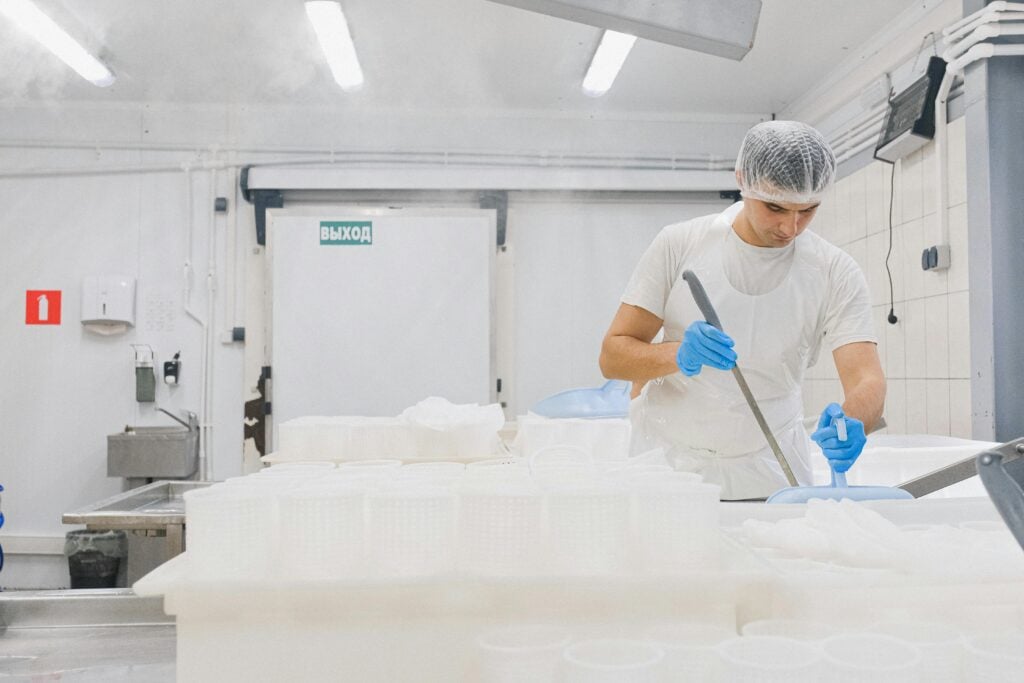

Maintaining food safety and sanitation in industrial food processing plants is a critical component to ensuring consumer safety and regulatory compliance. Proper cleaning and sanitization not only mitigate risks of contamination but also help avoid costly shutdowns and recalls.
Understanding the Importance of Industrial Sanitation
Industrial sanitation encompasses a series of cleaning and disinfecting processes designed specifically for food processing environments. These procedures are essential in preventing the spread of harmful bacteria, mold, and other pathogens that can compromise product integrity and cause foodborne illnesses.
Key Challenges in Food Plant Sanitation
- Dirt and debris accumulation from raw materials
- Residue from previous cleaning cycles
- Biofilms forming on equipment surfaces
- Compliance with HACCP (Hazard Analysis and Critical Control Point) standards
Effective Cleaning Strategies for Food Processing Facilities
Adopting thorough cleaning methods tailored for the food industry is crucial. Wet cleaning, for example, is widely used to remove soils and new residues from equipment and surfaces. It involves using water combined with cleaning agents to break down fats, proteins, and carbohydrate residues.
Best Practices for Industrial Cleaning
- Use Fayette Contract Sanitation Services for reliable, industry-specific cleaning solutions
- Implement scheduled, deep-cleaning routines
- Ensure all equipment is disassembled properly for thorough cleaning
- Utilize approved cleaning agents designed for food processing areas
Sanitization: Going Beyond Cleaning
Sanitization involves reducing microbial levels on surfaces to safe levels, which is critical in food production environments. Disinfection and sterilization are also parts of the process but serve different purposes depending on the risk level and surface type.
Regulatory Compliance and HACCP
Compliance with HACCP guidelines hinges on diligent sanitation efforts. Establishing a HACCP system involves identifying critical control points where contamination risks are high and implementing control measures like sanitization to mitigate these risks.
Choosing the Right Sanitation Service Provider
Partnering with experienced sanitation companies can streamline your cleaning routines and ensure compliance. Companies like Jani-King, Jan-Pro, and GDI offer tailored solutions for food industry sanitation challenges.
Conclusion
Investing in expert industrial sanitation services ensures that your food processing facility maintains high levels of hygiene, adheres to regulatory standards, and protects your brand from contamination risks. Regular cleaning, effective sanitization, and compliance with HACCP are fundamental to sustainable and safe food production.