Understanding the Importance of Industrial and Food Plant Sanitation Services
Maintaining high standards of sanitation in industrial and food processing environments is essential for ensuring food safety and complying with regulatory mandates. These environments are particularly susceptible to contamination, making specialized sanitation practices crucial.
Key Elements of Effective Food Plant Sanitation
1. Adherence to HACCP Protocols
Hazard Analysis and Critical Control Points (HACCP) systems are foundational to food safety. Implementing and maintaining HACCP compliance helps identify potential contamination points and effective sanitation measures that prevent foodborne illnesses. Learn more about HACCP systems to understand their significance in food processing.
2. Specialized Cleaning Methods
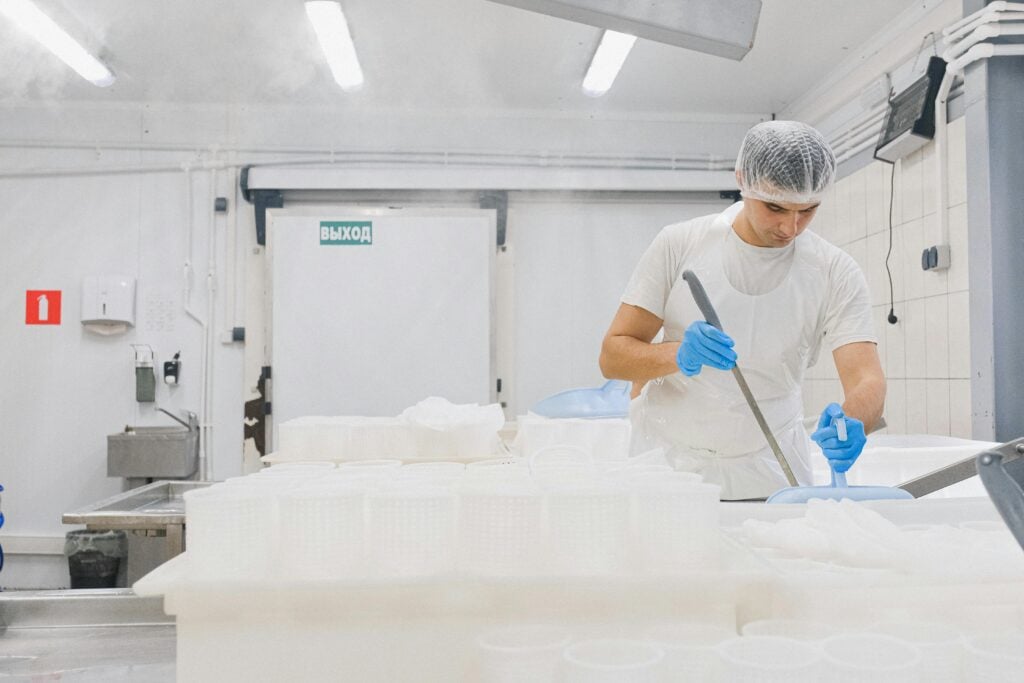
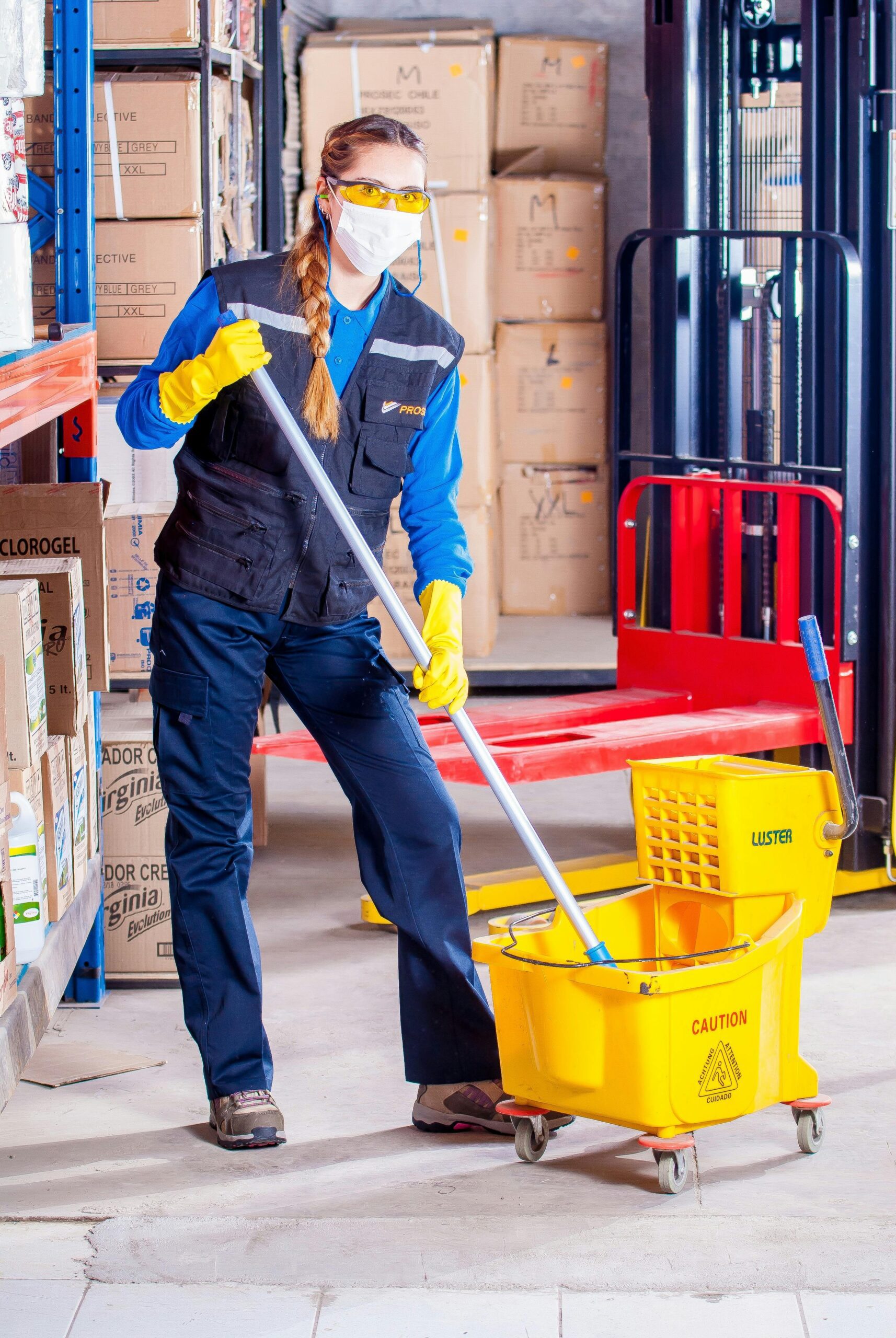
Food processing facilities require meticulous cleaning methods such as wet cleaning and other chemical and mechanical processes tailored to the facility layout and products. Cleanliness reduces debris, dirt, and microbial presence.
3. Regular Sanitation and Disinfection
- Routine cleaning and sanitization cycles
- Disinfection using approved agents to eliminate pathogens
- Sterilization processes for critical equipment
Choosing the Right Sanitation Service Providers
Partnering with experienced contract sanitation companies ensures facilities meet strict sanitation standards. Notable providers include Fayette Contract Sanitation Services, along with other reputable companies like Janiking and Jan-Pro.
Best Practices for Food Plant Sanitation
- Develop a detailed sanitation plan
- Train staff thoroughly on sanitation procedures
- Utilize appropriate cleaning agents and tools
- Document sanitation activities for traceability and audits
Compliance and Audit Preparation
Effective sanitation is not only about cleanliness but also about regulatory compliance. Regular audits help ensure that sanitation practices align with food safety standards. Invest in food sanitation services to streamline compliance efforts.
Conclusion
Implementing robust industrial sanitation and food processing plant cleaning protocols is vital for preventing contamination, ensuring product quality, and maintaining regulatory compliance. Collaborate with credible sanitation providers and stay proactive with your sanitation practices to uphold safety standards in the food industry.