Introduction to Food Plant Sanitation
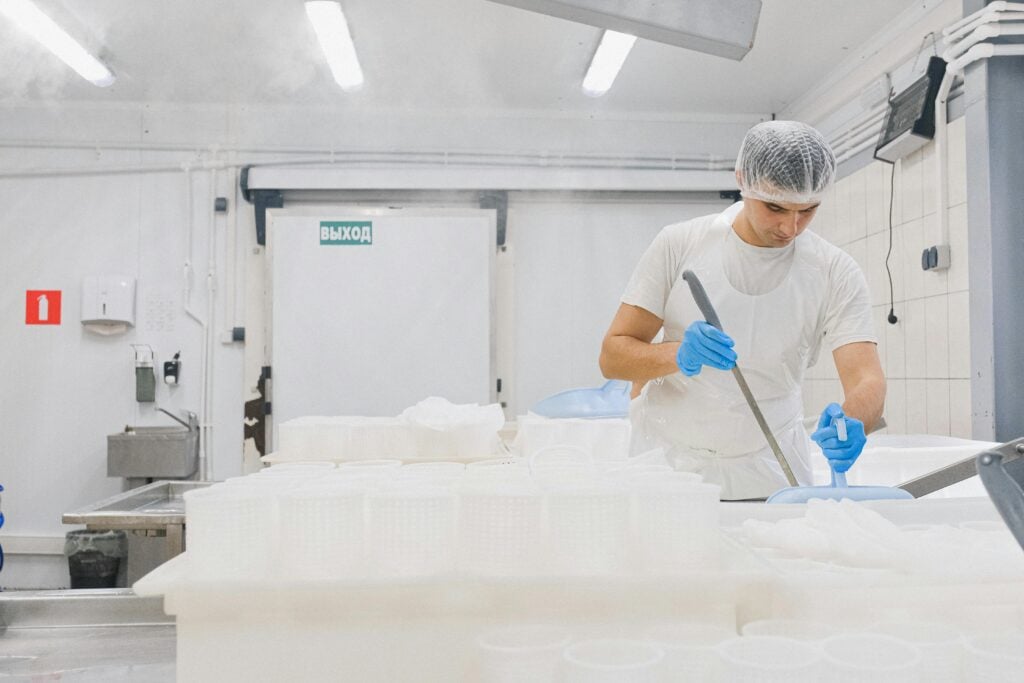
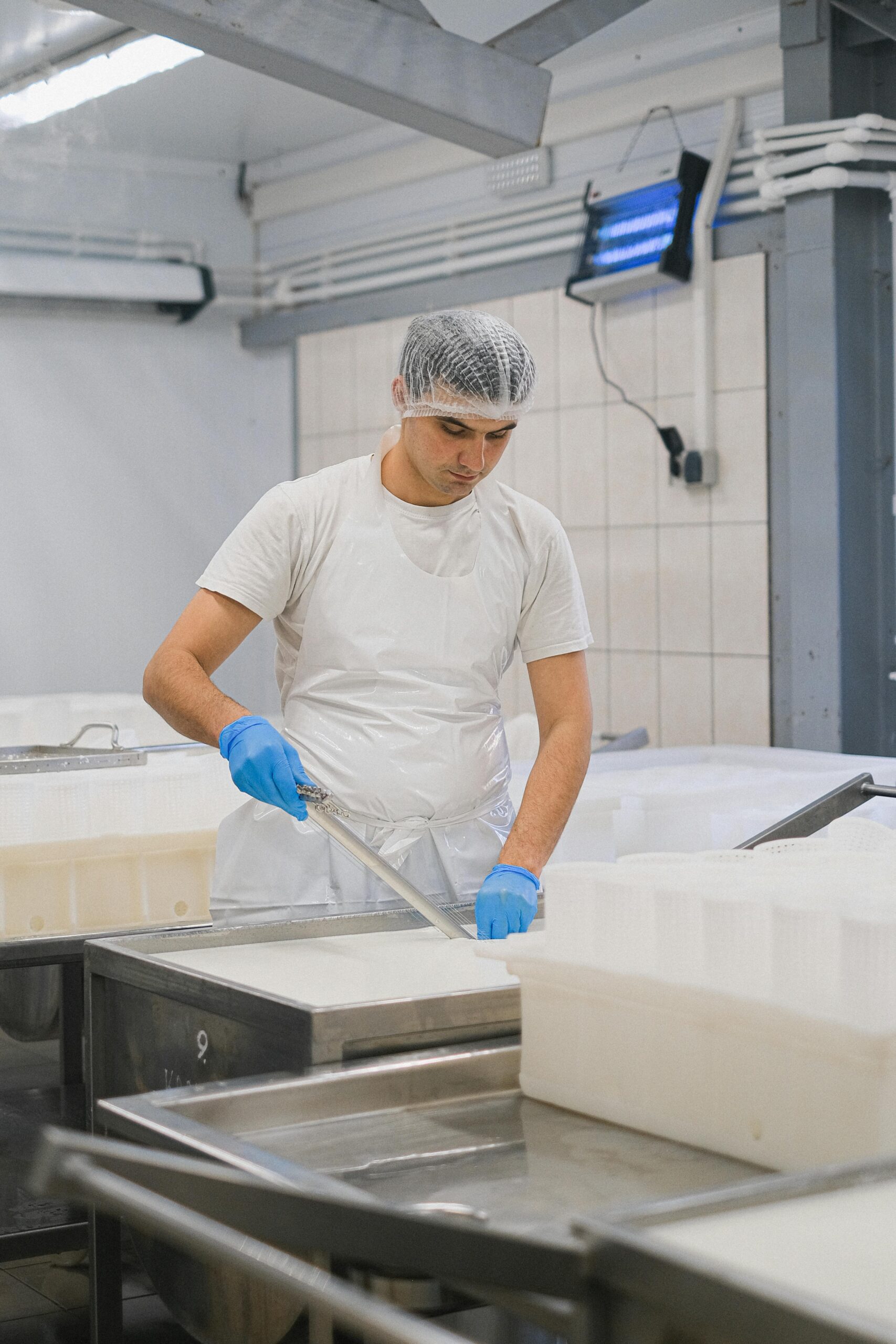
Maintaining a clean and sanitized food processing environment is crucial for ensuring food safety and compliance with industry standards. Proper sanitation procedures help prevent cross-contamination, microbial growth, and foodborne illnesses, all of which can lead to serious health risks and regulatory violations.
The Importance of Food Plant Sanitation in Food Safety
Food safety is a priority for manufacturers, retailers, and consumers alike. Implementing effective food processing plant cleaning practices not only ensures compliance with HACCP (Hazard Analysis and Critical Control Points) guidelines but also enhances overall product quality. Regular sanitation helps to:
- Reduce bacterial and microbial presence
- Prevent product recalls
- Meet strict industry regulations
- Maintain brand reputation
Best Practices for Food Processing Facility Cleaning
1. Establish a Cleaning and Sanitation Schedule
Consistent routines are vital for effective sanitation. Develop a detailed schedule that includes:
- Daily cleaning of production lines and equipment
- Deep cleaning during scheduled downtime
- Regular inspection and maintenance
2. Use Approved Cleaning Agents and Sanitizers
Select cleaning products that are certified safe for food contact surfaces. Consider enzymatic cleaners for organic matter and EPA-registered disinfectants for microbial control.
3. Train Staff on Proper Techniques
Educate employees about the correct cleaning procedures, including contact times, dilution ratios, and safety precautions. Proper training ensures consistent and thorough sanitation.
Implementing Effective Sanitation Processes
Wet Cleaning
Wet cleaning involves the use of water and cleaning agents to remove debris, dirt, and residues from surfaces and equipment. This process is essential prior to disinfection.
Disinfection and Sanitization
Disinfection reduces microbial load significantly, while sanitization ensures surfaces meet regulatory standards for microbial levels. Both steps are critical in dairy, meat, and produce processing facilities.
Monitoring and Verification
Regular testing, such as swab tests and ATP monitoring, verifies sanitation efficacy. Maintain records to demonstrate compliance during audits.
Partnering with Professional Sanitation Service Providers
Many food processing facilities rely on specialized sanitation companies to uphold high standards while reducing workload and ensuring compliance. Consider partnering with reputable providers like Fayette Contract Sanitation Services, Janitorial King, and Jan-Pro for tailored sanitation solutions that meet your specific needs.
Regular professional cleaning and sanitation can help maintain optimal hygiene, extend equipment lifespan, and facilitate compliance with HACCP standards.
Conclusion
Effective food plant sanitation is an essential component of food safety management. By establishing comprehensive cleaning routines, utilizing appropriate products, and partnering with experienced service providers, food processing facilities can meet rigorous safety standards and produce safe, high-quality products.