Introduction to Industrial Sanitation in Food Processing
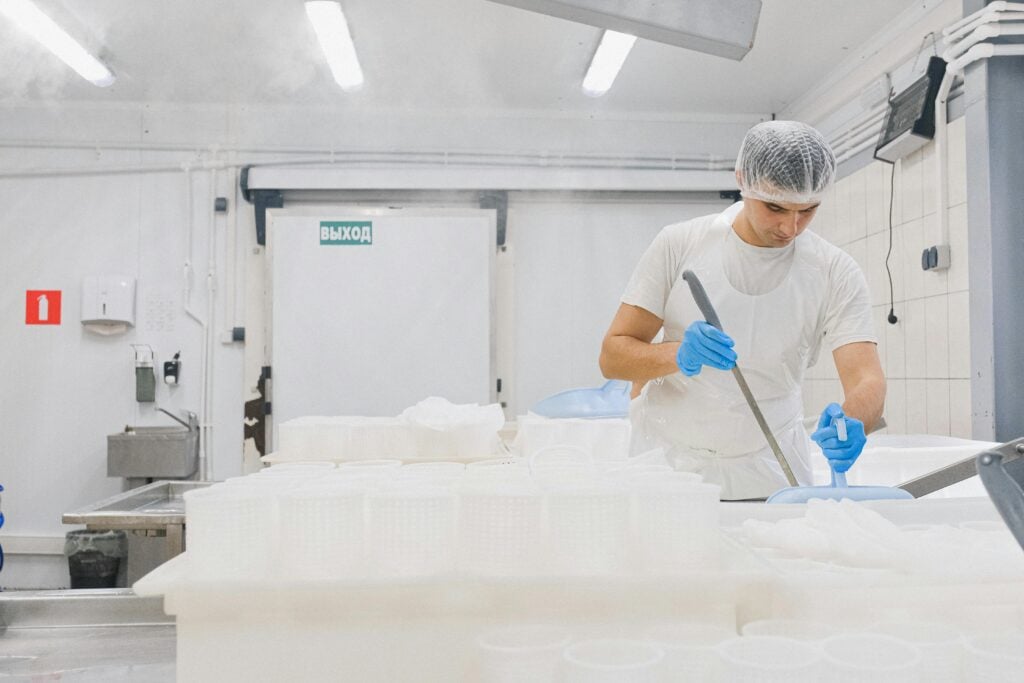
Ensuring cleanliness within food processing facilities is a critical component of maintaining food safety and meeting industry compliance standards. Proper industrial sanitation not only reduces the risk of contamination but also helps in achieving regulatory adherence such as HACCP (Hazard Analysis and Critical Control Points).
The Role of Industrial Cleaning in Food Processing
Effective cleaning in food processing plants involves rigorous food plant sanitation services that target both visible dirt and microbial presence. Regular Fayette Contract Sanitation Services and other reputable providers can assist facilities in implementing tailored cleaning protocols.
Key Components of Food Industry Cleaning
- Pre-cleaning: Removal of debris and gross contaminants
- Sanitization: Microbiological reduction using approved sanitizers
- Disinfection: Further elimination of pathogens, particularly during outbreaks
Best Practices in Food Plant Sanitation
1. Implementing a HACCP System
HACCP is vital in identifying potential hazards during food processing. Proper sanitation practices are part of the critical control points that ensure product safety.
2. Routine Cleaning Protocols
- Use wet cleaning methods to thoroughly clean surfaces
- Use EPA-approved sanitizers for effective microbiological control
3. Staff Training and Certification
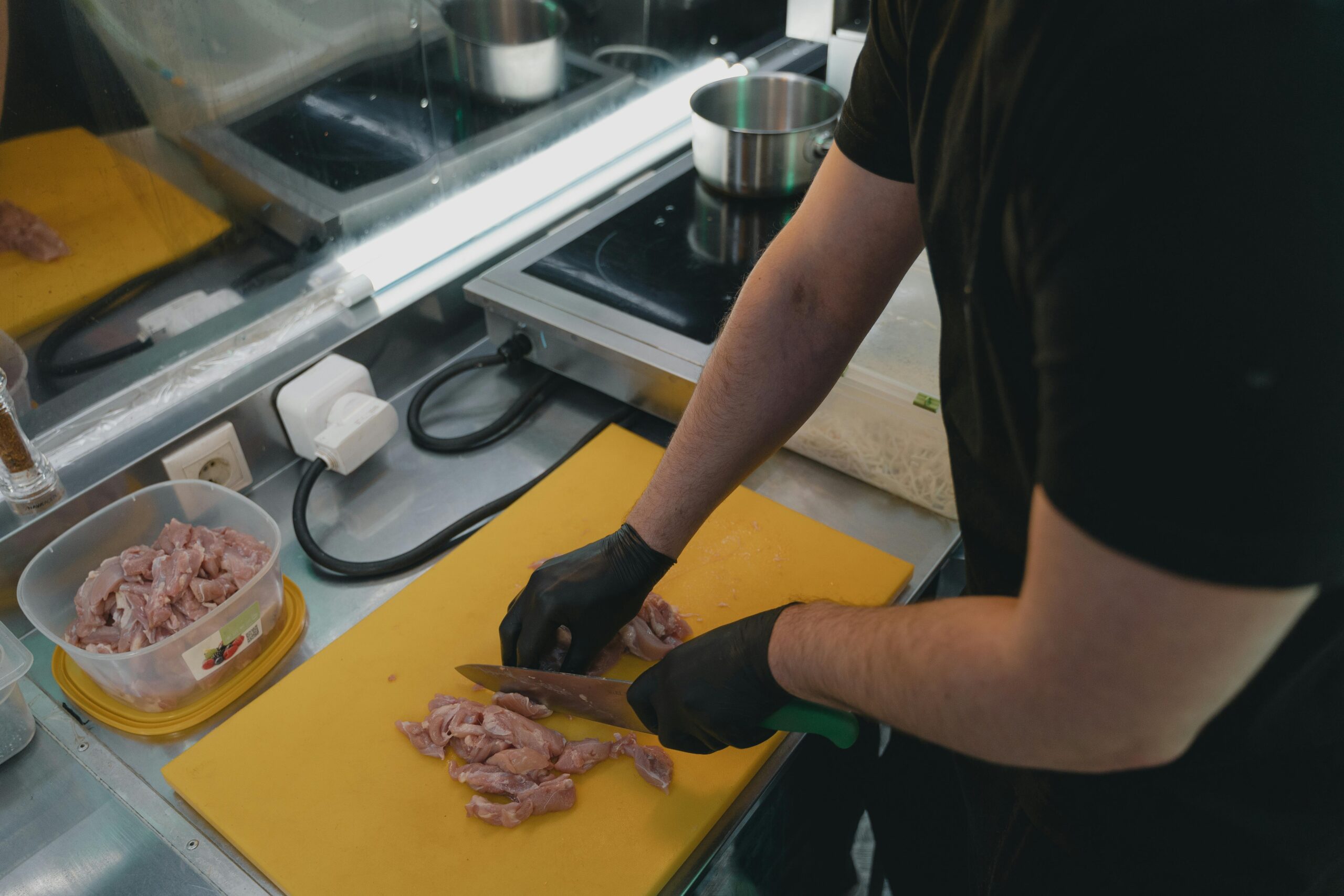
Trained personnel should understand the importance of sanitation, proper cleaning methods, and the use of suitable disinfectants.
Choosing the Right Sanitation Service Provider
Outsourcing sanitation to reliable service providers can optimize cleanliness standards. Apart from Fayette Contract Sanitation Services, options like Janiking and Jan-Pro are noteworthy for their expertise in food industry sanitation management.
Emerging Technologies in Food Processing Sanitation
Technological advances such as ultraviolet (UV) sanitizing, ozone-based cleaning, and automation are shaping the future of food industry sanitation, providing more efficient and effective cleaning solutions.
Conclusion
Maintaining exemplary sanitation standards in food processing facilities is essential not only for compliance but also for consumer safety. Collaborating with experienced sanitation providers and utilizing advanced cleaning techniques can significantly improve food safety programs.