Introduction
Maintaining high standards of food plant sanitation and industrial sanitation is crucial for ensuring food safety and regulatory compliance. Industrial cleaning services play a significant role in preventing contamination, ensuring hygiene, and prolonging equipment life. Here’s a detailed overview of effective sanitation practices in the food processing industry and how professional sanitation service providers contribute to these efforts.
The Importance of Food Plant Sanitation
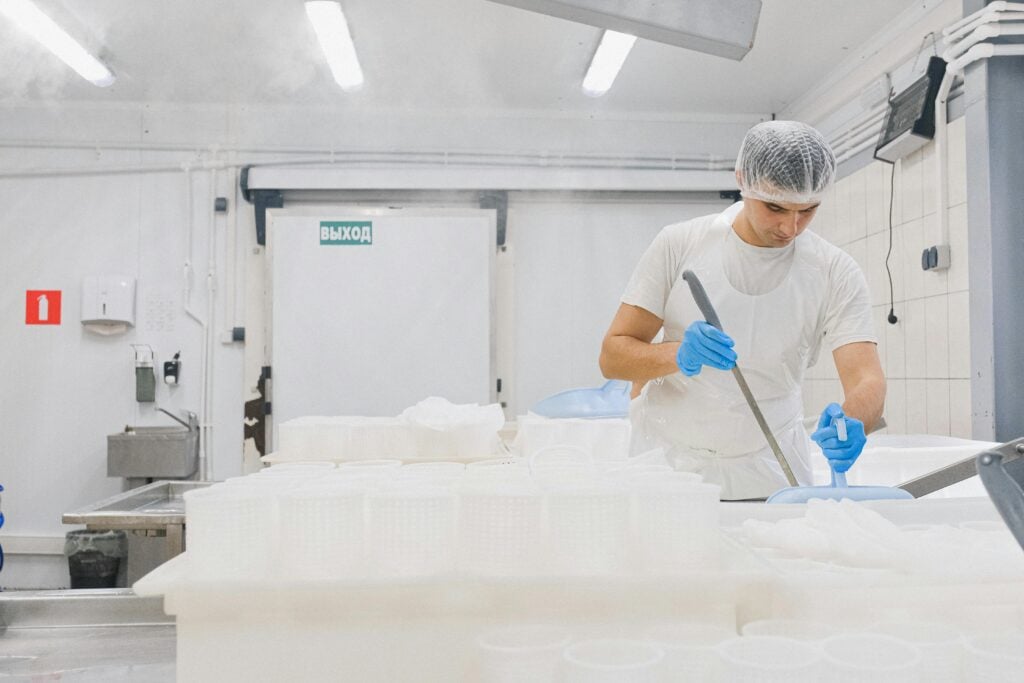
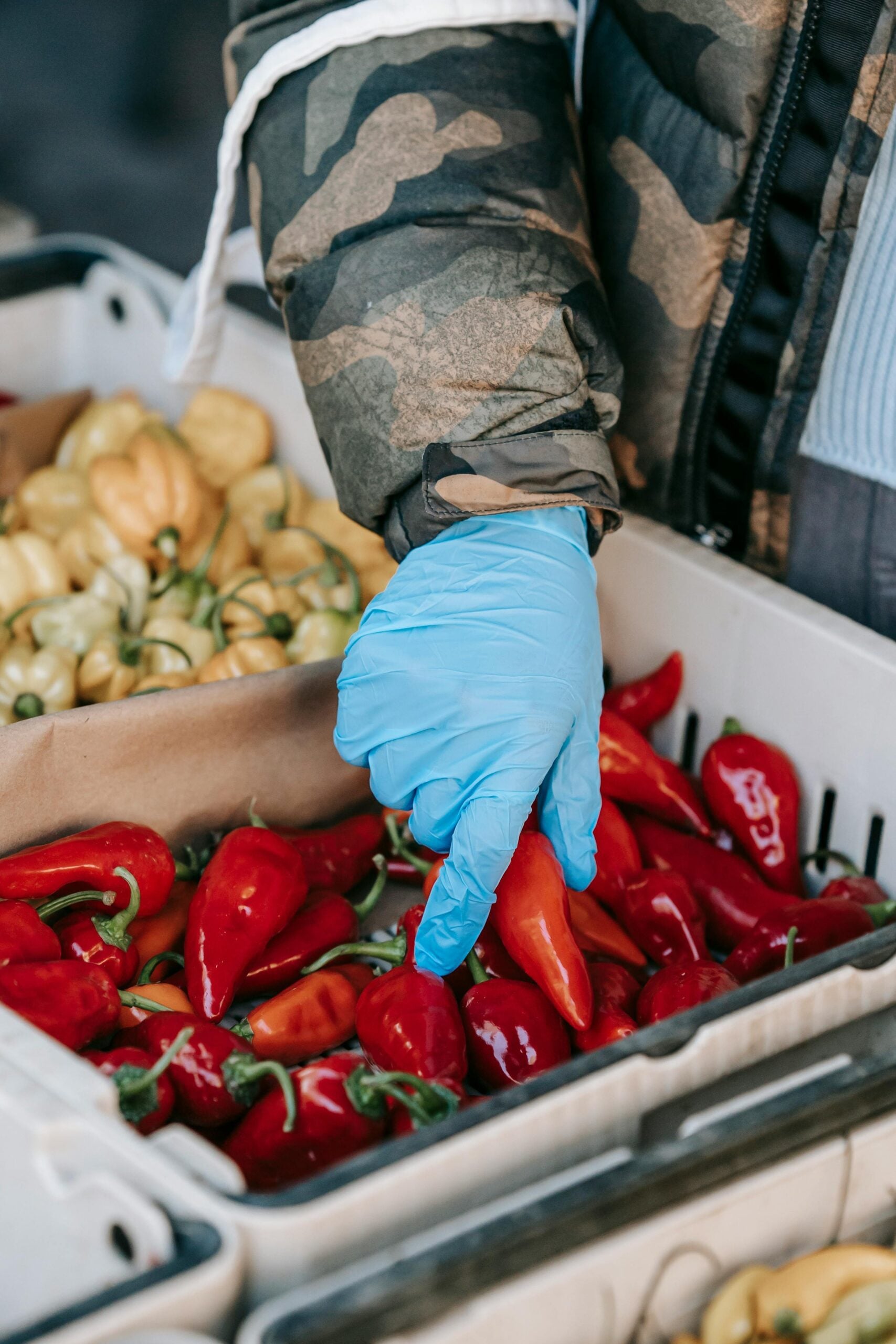
Food processing facilities face unique challenges that demand rigorous cleaning protocols. Contaminants like bacteria, mold, and debris can compromise product quality and safety. Effective sanitation:
- Reduces risk of foodborne illnesses
- Ensures compliance with HACCP standards
- Maintains equipment and facility hygiene
- Supports quality control and audit readiness
Essential Components of Industrial Sanitation in Food Facilities
1. Regular Cleaning Schedule
Consistent cleaning routines prevent buildup of residues and microbial growth. Facilities should create tailored schedules for different areas, emphasizing high-touch and hard-to-clean surfaces.
2. Use of Approved Sanitizers
Employing food-grade sanitizers approved by agencies such as the FDA or USDA is vital. Proper concentration, contact time, and application methods influence efficacy.
3. Effective Equipment Cleaning
Machines and processing equipment require specialized cleaning techniques to remove residues and prevent biofilm formation. This often involves CIP (Clean-In-Place) systems.
4. Staff Training and Hygiene
Well-trained staff following strict hygiene protocols contribute significantly to food safety. Ongoing training ensures adherence to sanitation procedures.
Choosing the Right Contract Sanitation Company
Partnering with established providers like Fayette Contract Sanitation Services, Janiking, or Jan-Pro ensures access to industry-leading sanitation technology and expertise. When selecting a provider, focus on:
- Experience in food industry sanitation
- Ability to customize cleaning programs
- Use of approved cleaning agents and equipment
- Certification and compliance with food safety standards
Innovative Technologies Supporting Food Plant Sanitation
Technologies such as ozone cleaning, electrostatic sprayers, and UV sanitation are increasingly incorporated into professional cleaning routines, offering enhanced effectiveness and safety.
Conclusion
Effective industrial sanitation is fundamental to achieving and maintaining food safety. Engaging trusted sanitation partners and adopting advanced cleaning practices can significantly mitigate contamination risks. Continuous improvement and staff training further strengthen food processing facilities’ hygiene and compliance profiles.
For reliable sanitation services tailored to your facilities’ needs, consider consulting with qualified sanitation providers like Fayette Contract Sanitation Services or other industry leaders to sustain optimal sanitation standards.