Introduction to Food Plant Sanitation
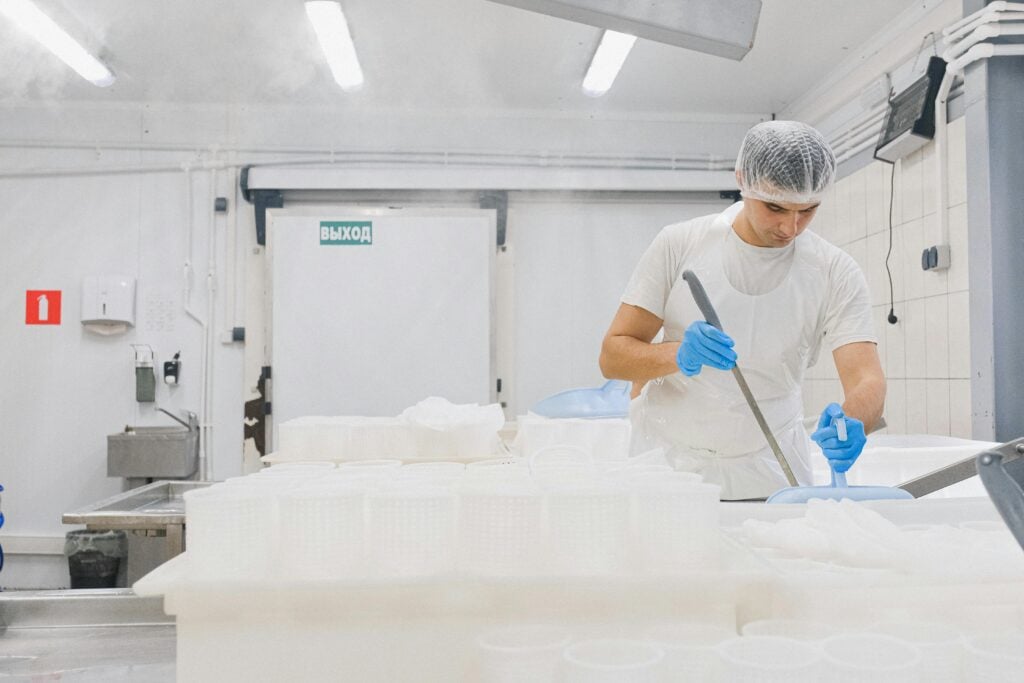
Maintaining a clean and sanitized food processing facility is essential for ensuring food safety and meeting regulatory standards. Proper sanitation practices help prevent contamination, spoilage, and the spread of pathogens, safeguarding both consumers and the reputation of food producers.
The Importance of Sanitation in Food Processing
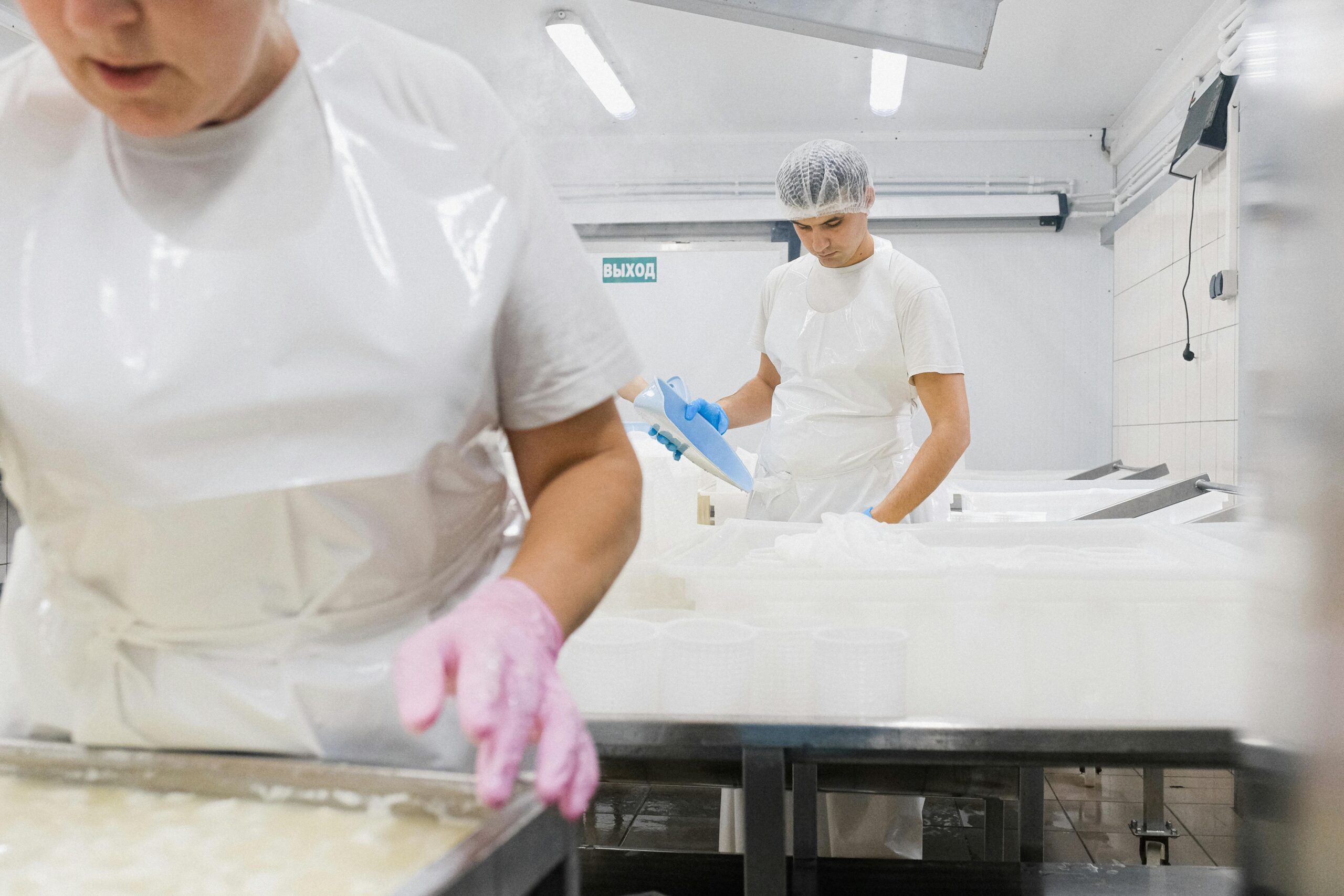
Food processing plants are high-risk environments where contamination can occur at various stages. Implementing effective sanitation protocols minimizes the risk of microbial growth and cross-contamination, ultimately promoting food safety and compliance with FDA regulations.
Key Components of Food Plant Sanitation
HACCP System and Its Role
The HACCP system (Hazard Analysis and Critical Control Points) is a systematic approach to identifying and controlling food safety hazards. Sanitation is integrated into HACCP plans to ensure critical control points are effectively managed.
Cleaning vs. Sanitizing
- Cleaning: Removal of dirt, debris, and organic matter using water, detergents, and mechanical action.
- Sanitizing: Reducing microbial load on surfaces to safe levels through chemical disinfectants or heat.
Sanitation Best Practices
- Establish clear cleaning and sanitizing procedures tailored to each area of the facility.
- Use EPA-approved sanitizers effective against foodborne pathogens.
- Regularly train staff on proper sanitation techniques.
- Maintain records of sanitation activities for compliance audits.
Tools and Equipment for Effective Sanitation
Investing in appropriate tools like foam cleaning systems, high-pressure washers, and automated sanitizing systems can enhance sanitation efficiency. Reliable industrial sanitation equipment ensures thorough cleaning, especially in hard-to-reach areas.
Choosing a Sanitation Service Provider
Partnering with experienced contract sanitation companies or reputable industry leaders such as Jan-Pro and Hydrite can help maintain high sanitation standards. These providers offer specialized cleaning solutions tailored for food processing environments.
Reducing Cross-Contamination and Ensuring Regulatory Compliance
Implement control measures like color-coded cleaning tools and dedicated equipment for raw and cooked products. Routine monitoring and documentation assist in demonstrating compliance during inspections.
Conclusion
Effective food plant sanitation is a cornerstone of food safety and regulatory adherence. Regular cleaning, sanitizing, staff training, and strategic partnerships with experienced sanitation providers like Fayette Contract Sanitation Services support the production of safe, high-quality food products.
For more insights on sanitation solutions, visit Fayette or consider consulting with established industry partners such as Jan-Pro and Hydrite.