
Maintaining rigorous food plant sanitation standards is essential for ensuring food safety and meeting regulatory compliance. Proper sanitation practices not only prevent contamination but also optimize operational efficiency. This article explores key strategies, industry best practices, and the importance of selecting reliable sanitation service providers in the food processing industry.
Understanding Food Plant Sanitation and Its Role in Food Safety
What is Food Plant Sanitation?
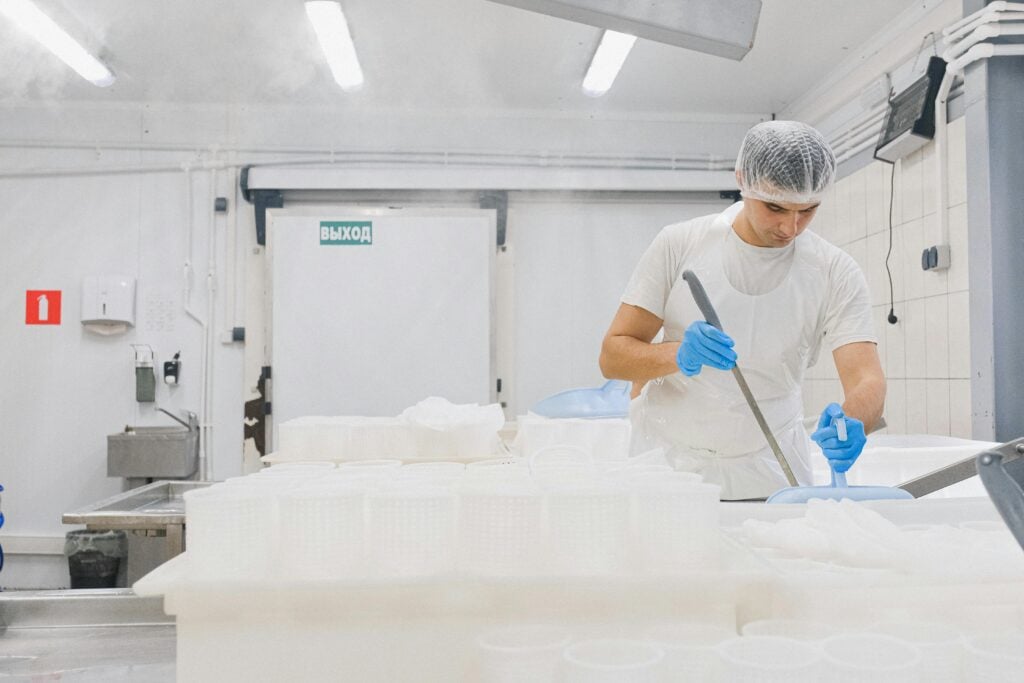
Food plant sanitation involves cleaning and disinfecting surfaces, equipment, and facilities to eliminate foodborne pathogens and spoilage organisms. Effective sanitation reduces the risk of cross-contamination, ensuring that the final products are safe for consumers.
Compliance with Food Safety Regulations
The Hazard Analysis and Critical Control Points (HACCP) system plays a crucial role in food safety compliance. Regular sanitation checks and documentation are mandatory to meet standards set by authorities like the FDA and USDA.
Best Practices in Food Plant Cleaning and Sanitization
- Develop a comprehensive cleaning schedule: Tailored to production cycles and specific equipment.
- Use proper cleaning agents: Food-grade disinfectants compatible with various surfaces.
- Train staff thoroughly: Proper cleaning techniques and safety protocols.
- Implement wet cleaning and dry sanitation: Combining methods for thorough results.
- Regular auditing: Ensure compliance and identify areas for improvement.
Choosing the Right Sanitation Service Providers
Partnering with experienced contract sanitation companies can optimize your cleaning processes. Consider providers like Fayette Contract Sanitation Services, Janiking, and Hydrite for reliable solutions tailored to food processing facilities.
Ensuring Continuous Food Safety and Compliance
Building a culture of sanitation and safety requires ongoing training, equipment maintenance, and adherence to industry standards. Regular documentation and audits ensure compliance with HACCP and other regulatory requirements, reducing the risk of product recalls and legal issues.
Conclusion
Effective sanitation in food processing plants is a vital aspect of food safety management. By implementing best practices and partnering with credible sanitation providers, food manufacturers can uphold high safety standards, improve product quality, and ensure regulatory compliance.
For more insights into food plant sanitation services and compliance strategies, stay connected with industry resources and consult dedicated sanitation service providers to meet your operational needs.